English
 Français
 عربى
عربى 简体中文
简体中文


A Step-by-Step Guide to Maintaining Your Electrostatic Precipitator
A Step-by-Step Guide to Maintaining Your Electrostatic Precipitator
 By Admin
Content
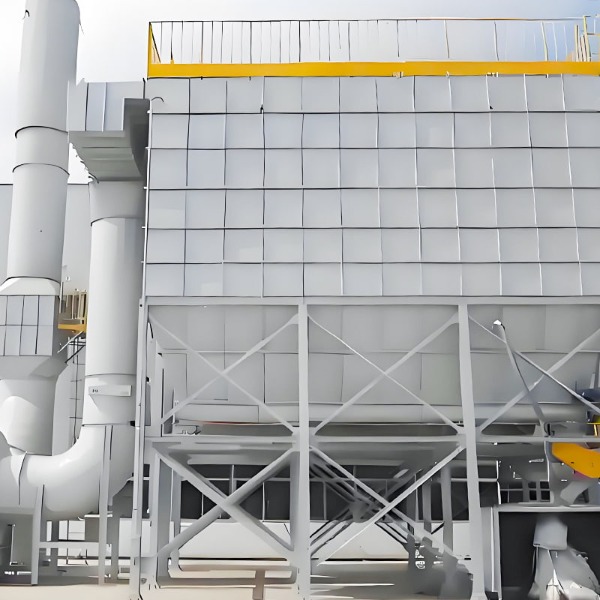
An electrostatic precipitator (ESP) is a crucial component in industrial processes that need to control particulate pollution, particularly in power plants, cement factories, and other manufacturing plants. Maintaining an ESP is essential for ensuring efficient operation and prolonging its lifespan.
Introduction to Electrostatic Precipitators
Electrostatic precipitators are industrial devices used to remove fine particles, such as dust and smoke, from the air. They operate by charging the particles, which are then attracted to a collector electrode. This process is highly efficient, making ESPs a popular choice in various industries, including power generation, cement production, and steel manufacturing. The core components of an ESP include electrodes, a high-voltage power supply, and a filtration system that ensures particulate matter is captured and contained.
Understanding the Components of an ESP
The electrostatic precipitator consists of several critical components:
Electrodes: These are the charged plates or wires where particles are collected.
High-voltage power supply: Provides the electrical charge needed to attract particles to the electrodes.
Electrostatic Precipitator Filter: A series of filters or collection devices that remove particles from the gas stream.
Rapping Mechanism: A system used to dislodge the collected particles for easier disposal.
Proper maintenance of these components is essential to maintain an efficient operation.
Why Regular Maintenance is Crucial
The performance of an industrial electrostatic precipitator can degrade over time due to the accumulation of dust, wear on mechanical parts, and electrical issues. Regular maintenance helps to ensure the ESP continues to operate at optimal levels, reducing the risk of downtime and ensuring regulatory compliance for air quality.
Without regular maintenance, the electrostatic precipitator filter may clog, electrodes may lose their charge, and rapping mechanisms may fail, leading to inefficient filtration and an increase in emissions.
Step-by-Step Maintenance Procedures
Step 1: Inspecting the ESP Electrostatic Precipitator Filter
The first step in ESP maintenance is to inspect the electrostatic precipitator filter. These filters are responsible for capturing dust particles, and over time, they can become clogged or damaged.
What to do:
Check the filter for signs of wear, tears, or accumulation of dust that could reduce efficiency.
Inspect the filter’s sealing and replacement gaskets to ensure proper sealing.
If dust accumulation is found, consider using a vacuum or air blower to remove the debris. Ensure that the cleaning does not damage the filter.
Step 2: Cleaning the Electrodes
Electrodes are critical in the operation of an ESP. Over time, dust and particulate matter can build up on the electrodes, reducing their effectiveness. A clean electrode ensures that the system works efficiently.
What to do:
Inspect the electrodes for signs of dust accumulation.
Clean the electrodes using a soft brush or an air compressor, making sure to avoid damaging the delicate surfaces.
Ensure the electrical connections to the electrodes are intact and free of corrosion or debris.
Step 3: Checking Power Supply and Voltage
The efficiency of an electrostatic precipitator heavily depends on its electrical system. The high-voltage power supply ensures that the electrodes are charged, allowing the ESP to collect particles effectively.
What to do:
Inspect the power supply for any loose connections or signs of damage.
Measure the voltage output and ensure it is consistent with the manufacturer’s specifications. Variations can lead to decreased collection efficiency.
If the voltage is too low or too high, adjust it accordingly or replace the power supply if necessary.
Step 4: Conducting Electrical Testing
A thorough electrical inspection can reveal hidden issues that may not be visible to the naked eye. This step ensures that all electrical components are functioning properly, avoiding potential breakdowns.
What to do:
Use an insulation resistance tester to check the condition of the wiring and electrical components.
Perform continuity checks on electrical connections to ensure that the current can flow properly through the system.
Inspect transformers and rectifiers for any signs of wear, damage, or overheating.
Step 5: Replacing Damaged Parts
Despite regular maintenance, some parts will eventually need to be replaced. These can include worn-out electrodes, damaged filters, or malfunctioning electrical components.
What to do:
Replace any filters that show signs of excessive wear or damage.
Inspect rapping mechanisms and replace any worn parts that could affect their performance.
If any components are found to be malfunctioning, consult the manufacturer for recommendations on replacement parts.
Common Problems and Solutions
Here are some common problems that may occur in electrostatic precipitators and how to address them:
| Problem | Solution |
|---|---|
| High emissions levels | Inspect and clean the electrostatic precipitator filter and electrodes. Check voltage levels and power supply. |
| Frequent power failures | Inspect the power supply for loose connections and measure voltage output. Replace faulty components. |
| Inefficient particle collection | Check for clogging in the filter, clean electrodes, and inspect the rapping mechanism for proper function. |
Maintenance Schedule
Regular maintenance is key to keeping your electrostatic precipitator in top condition. A good maintenance schedule should include:
Monthly: Inspect filters, electrodes, and power supply.
Quarterly: Perform electrical testing and inspect mechanical components.
Annually: Replace filters, perform detailed electrical inspections, and check the overall health of the system.
Conclusion
By following the steps outlined in this guide, you can maintain your electrostatic precipitator efficiently and effectively. Regular maintenance not only ensures that your ESP works at optimal performance but also extends its lifespan, minimizes downtime, and helps reduce operating costs. Keeping the electrostatic precipitator filter clean, inspecting electrodes, and checking the electrical system are essential tasks that should not be overlooked.
FAQ
Q1: How often should I replace the electrostatic precipitator filter?
A1: Filters should be replaced when they show signs of damage or clogging. Generally, replacing the filter annually or every 1-2 years is recommended, depending on usage.
Q2: Can I clean the electrodes myself?
A2: Yes, electrodes can be cleaned with an air compressor or soft brush. However, ensure that no damage occurs during cleaning, and always follow the manufacturer’s guidelines.
Q3: What are the most common signs of a malfunctioning ESP?
A3: Common signs include high emissions, inefficient particle collection, power failures, or unusual noises from the rapping mechanism.
Q4: How can I check the voltage of my ESP?
A4: Use a voltmeter to measure the output voltage of the power supply. Ensure the voltage matches the manufacturer’s specifications for optimal performance.
Q5: What should I do if the electrostatic precipitator filter is clogged?
A5: Clean the filter by vacuuming or using an air blower to remove accumulated dust. If cleaning doesn’t resolve the issue, consider replacing the filter.