English
 Français
 عربى
عربى 简体中文
简体中文


How Can Industrial Dust Collection Hoods Be Integrated into Existing Air Filtration Systems?
HOME / NEWS / Industry News / How Can Industrial Dust Collection Hoods Be Integrated into Existing Air Filtration Systems?
 By Admin
Content
Industrial dust collection systems are essential for maintaining clean and safe work environments. These systems reduce the harmful effects of airborne dust, which can cause health issues and environmental damage. An integral part of these systems is the industrial dust collection hood, which captures dust and smoke as soon as they are generated, preventing them from spreading throughout the workspace.
Before we explore integration, it’s important to understand the types and functions of industrial dust collection hoods. These hoods are designed to collect dust, fumes, and smoke generated by industrial processes. Common types of dust collection hoods include:
Fixed Dust Collection Hoods: These hoods are stationary and placed directly above the dust source, collecting particles as they are emitted. They are typically used in environments where the dust source is stationary, such as grinding or welding stations.
Mobile Dust Collection Hoods: As the name suggests, these hoods can be moved to different locations depending on the need. They are often employed in workspaces where dust sources vary or are temporary.
Rotating Dust Collection Hoods: These hoods are designed to rotate around a central point, capturing dust from different angles. They are used in situations where dust is generated from various directions, such as in machining operations.
The primary function of industrial dust collection hoods is to quickly capture dust and fumes at the point of origin. This minimizes exposure to hazardous substances and ensures cleaner air quality in industrial environments. Here are the main functions of a dust collection hood:
Containment of Dust: Dust collection hoods ensure that dust and particles are contained within the hood, preventing them from dispersing into the surrounding air.
Airflow Control: The design of the hood ensures that the airflow is directed towards the collection system, improving the efficiency of the entire filtration system.
Preventing Contamination: By capturing dust at the source, these hoods help prevent contamination of other equipment and workspaces.
Safety: Effective dust collection reduces the risk of explosions, fires, or health hazards that may arise due to excessive dust accumulation.
When considering the integration of industrial dust collection hoods into existing air filtration systems, several factors must be taken into account:
Before integrating any new components, it is essential to assess the existing air filtration system. Some key steps in this assessment include:
Evaluating Airflow Requirements: Different filtration systems have varying airflow capacities. It’s crucial to assess whether the existing system has the necessary capacity to handle the additional load from the new dust collection hood.
Identifying Dust Generation Points: Determine where the dust and fumes are most concentrated within the workspace. This helps in selecting the right type of hood and positioning it effectively within the system.
To ensure compatibility, some modifications to the existing filtration system may be necessary:
Ductwork Adjustments: The ducts connected to the dust collection hood need to be integrated into the existing filtration network. This may involve resizing ducts, installing new connectors, or modifying airflow paths.
Adding More Filters: Depending on the volume and type of dust being collected, additional filters or filtration stages may be required to ensure that the air leaving the system is clean and safe.
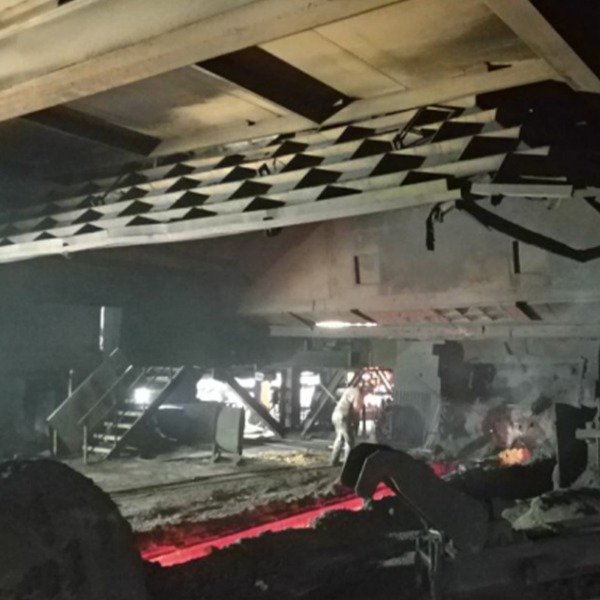
Some industrial processes may require more specialized hoods, such as the electric furnace fully enclosed hood. These hoods are designed to handle extreme temperatures and capture fumes and dust produced by high-temperature operations like metal smelting or furnace operations.
Heat Resistance: Ensure that the materials used in the integration process can withstand the high temperatures generated by certain industrial processes.
Sealing and Containment: The fully enclosed design of these hoods prevents fumes from escaping, ensuring a more efficient capture of harmful substances.
For dust collection hoods to function effectively, they must be strategically positioned. Consideration must be given to:
Proximity to Dust Source: The closer the hood is to the source of dust generation, the more efficient it will be in capturing particles before they can disperse.
Flow Dynamics: Ensure that the airflow within the system is optimized, preventing the bypassing of dust and smoke. This may require fine-tuning the system’s fans and exhaust systems.
Integrating dust collection hoods into existing filtration systems provides several significant benefits:
Improved Air Quality: By capturing dust at the source, the air quality within the workspace is dramatically improved, creating a healthier environment for workers.
Compliance with Regulations: Many industries are required to comply with strict air quality and environmental standards. Integrating dust collection hoods ensures compliance with these regulations.
Increased Productivity: Cleaner air leads to better working conditions, which can result in improved productivity and fewer workplace accidents or health issues.
Cost-Effectiveness: Over time, the integration of dust collection hoods can result in lower maintenance costs for both machinery and air filtration systems.
To ensure the smooth integration of industrial dust collection hoods into existing systems, there are several important considerations:
System Capacity: Ensure that the air filtration system is capable of handling the added dust load. This might involve upgrading certain components, such as fans or motors, to accommodate the increased demand.
Maintenance: Regular maintenance and monitoring are essential to ensure that the dust collection hoods continue to perform effectively over time. This includes cleaning the filters, inspecting ductwork, and ensuring that airflow is not obstructed.
Customization: Different industrial environments may require different types of dust collection hoods. Custom solutions can be tailored to fit specific needs, whether it’s for an electric furnace fully enclosed hood or a more generalized dust collection hood.
1. What is the role of an industrial dust collection hood in air filtration systems?
Industrial dust collection hoods capture dust and fumes directly at the source, preventing them from dispersing into the air and ensuring cleaner work environments.
2. How can an electric furnace fully enclosed hood be integrated into an existing system?
It can be integrated by ensuring that the filtration system can handle high temperatures and that ductwork and filtration stages are modified to accommodate the new hood.
3. What are the different types of dust collection hoods available?
The main types include fixed, mobile, and rotating hoods, each designed for specific industrial processes.
4. Why is proper positioning important for dust collection hoods?
Proper positioning ensures that the hood captures dust as close to the source as possible, improving the overall efficiency of the system.