English
 Français
 عربى
عربى 简体中文
简体中文


Navigating OSHA Guidelines: Why a Fume Extraction System Is Non-Negotiable
HOME / NEWS / Industry News / Navigating OSHA Guidelines: Why a Fume Extraction System Is Non-Negotiable
 By Admin
Content
Industrial environments generate airborne contaminants that can quickly compromise workplace safety, equipment performance, and regulatory compliance. Welding fumes, metal dust, chemical vapors, and fine particulates often remain suspended in the air long after production processes are complete. For facilities operating under strict occupational health standards, a fume extraction system (FES) is no longer optional—it is an operational necessity.
OSHA guidelines emphasize maintaining safe indoor air quality to protect workers from hazardous exposure. While regulations may differ depending on industrial application, the expectation is consistent: employers must identify airborne risks and implement effective engineering controls. This is where a fume extraction system becomes essential.
OSHA standards require employers to provide a work environment free from recognized hazards likely to cause harm. Airborne pollutants are among the most common workplace risks, particularly in manufacturing and processing environments where fumes are generated continuously.
A compliant strategy usually prioritizes source capture over general ventilation. This means harmful fumes should be removed directly where they are produced rather than diluted after they spread across the workspace.
A modern fume extraction system supports this requirement by capturing contaminants at the source, filtering particles, and releasing cleaner air back into the facility or safely exhausting it outdoors.
| OSHA Focus Area | Compliance Objective | FES Contribution |
|---|---|---|
| Worker Protection | Minimize inhalation hazards | Captures contaminants immediately |
| Air Quality Control | Reduce suspended pollutants | Continuous filtration process |
| Exposure Reduction | Meet permissible exposure limits | Limits concentration at source |
| Operational Safety | Prevent accumulation risks | Maintains cleaner production zones |
Without proper extraction, facilities may face elevated exposure levels that affect both health and inspection readiness.
Many facilities still rely on natural airflow or ceiling-mounted exhaust systems. While these solutions improve general circulation, they rarely eliminate concentrated fumes where workers are directly exposed.
A dedicated fume extraction system removes pollutants before they disperse. This localized capture approach improves efficiency and aligns with industrial air quality best practices.
The advantages include:
Passive airflow solutions often fail because contaminants spread too quickly. Once dispersed, they require significantly more energy and filtration capacity to remove.
Airborne contamination is not limited to one production sector. OSHA-related air safety concerns appear across diverse industrial operations.
Common applications include:
Welding releases metallic oxides and toxic particulates that can remain airborne for extended periods. A fume extraction system captures these emissions at arc level.
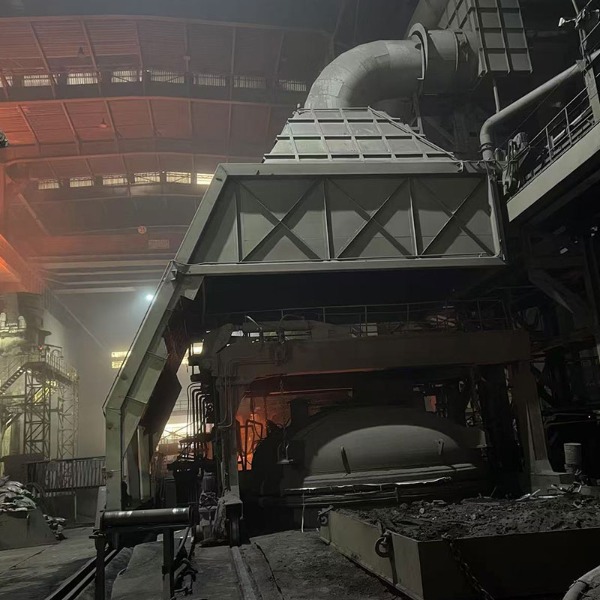
Molten metal processes generate smoke, vaporized compounds, and thermal particulates requiring immediate extraction.
Volatile vapors and reactive fumes can create inhalation and fire hazards if left uncontrolled.
Dust particles generated during finishing operations contribute to respiratory exposure and equipment contamination.
These environments require precision air filtration systems designed for continuous-duty industrial performance.
While regulatory alignment is a major driver, installing a fume extraction system (FES) delivers broader operational value.
A cleaner air environment contributes to:
Facilities with advanced industrial air filtration often experience more stable production efficiency because airborne contamination affects fewer mechanical systems and lessens cleaning demands.
This operational consistency often offsets system investment over time.
Not every extraction solution performs equally. Selection should reflect process type, contaminant properties, airflow demands, and facility layout.
Important evaluation factors include:
| Selection Factor | Why It Matters |
|---|---|
| Capture Efficiency | Determines pollutant removal success |
| Filtration Performance | Ensures clean discharged air |
| Airflow Capacity | Matches production output volume |
| System Scalability | Supports future expansion |
| Maintenance Access | Simplifies filter replacement |
An undersized system may fail compliance goals, while oversized designs increase unnecessary operating costs.
The best fume extraction system (FES) balances airflow precision with energy-efficient operation.
OSHA standards evolve alongside industrial technology and scientific understanding of workplace exposure risks. Businesses that adopt proactive air quality solutions are better positioned to adapt to future requirements.
A high-performance FES supports long-term environmental health strategies while reinforcing operational resilience.
1. What does a fume extraction system (FES) do?
It captures and filters harmful airborne contaminants directly at the source before they spread into the workplace.
2. Why is source capture important for OSHA compliance?
Source capture minimizes worker exposure more effectively than general ventilation and supports safer air quality control.
3. Which industries need a fume extraction system?
Welding, metal casting, chemical processing, grinding, and manufacturing facilities commonly require extraction solutions.
4. Can an FES improve production efficiency?
Yes. Cleaner air reduces equipment contamination, maintenance downtime, and workplace discomfort.
5. How often should an extraction system be maintained?
Maintenance schedules depend on contaminant load and operational hours, but regular inspections ensure consistent filtration performance.