English
 Français
 عربى
عربى 简体中文
简体中文


Benefits of Installing Electrostatic Precipitators in Steel Plants
Benefits of Installing Electrostatic Precipitators in Steel Plants
 By Admin
Content
The global steel industry stands at a critical juncture where production excellence must harmonize with stringent environmental stewardship. As steel manufacturing processes inherently involve the combustion of raw materials and the handling of massive volumes of particulate matter, the integration of advanced air pollution control systems is no longer optional. Among the most effective technologies available for large-scale industrial applications is the electrostatic precipitator (ESP). These systems play a pivotal role in modern waste gas treatment, providing a robust solution for capturing fine dust and metallic particles that would otherwise compromise air quality and regulatory standing.
The Role of Waste Gas Treatment in Steel Production
Steel plants are complex ecosystems comprising sintering strands, blast furnaces, and basic oxygen furnaces, each generating significant quantities of thermal energy and airborne pollutants. The primary challenge in waste gas treatment within this sector is the volume and temperature of the exhaust. Traditional filtration methods often struggle with the sheer scale of emissions or the abrasive nature of the dust. An industrial electrostatic precipitator addresses these challenges by utilizing electrical forces to separate particles from the gas stream, offering a high-efficiency alternative that maintains performance even under demanding conditions.
Technical Advantages of Electrostatic Precipitators
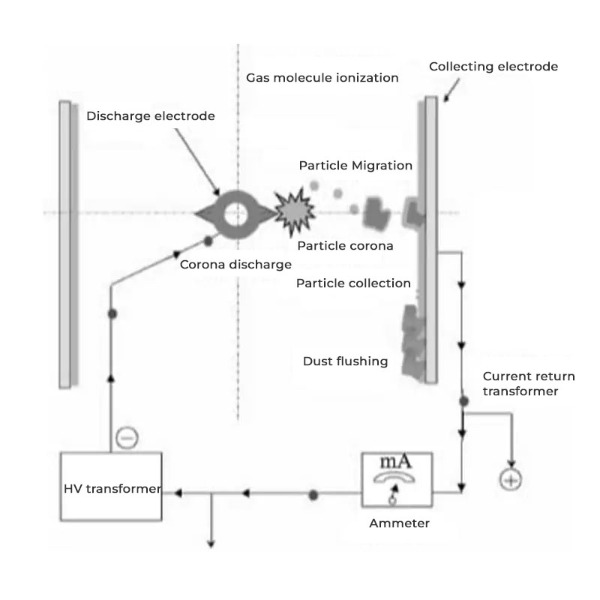
The fundamental advantage of an electrostatic precipitator lies in its operating principle. Unlike mechanical filters that rely on physical barriers, an ESP charges particles within the gas stream and collects them on grounded plates. This mechanism results in a very low pressure drop across the system, which is crucial for reducing the energy consumption of large induction fans.
Key Technical Attributes:
| Attribute | Impact on Steel Plant Operations |
|---|---|
| High Collection Efficiency | Capable of capturing sub-micron particles with over 99% effectiveness. |
| Low Pressure Drop | Minimizes energy requirements for exhaust fans, lowering operational costs. |
| Temperature Resistance | Handles high-temperature flue gases common in sintering and smelting. |
| Scalability | Modular designs can be scaled to accommodate massive gas flow rates. |
| Durability | Heavy-duty construction ensures a long service life with minimal mechanical wear. |
Environmental Compliance and Sustainability
For steel producers, the installation of an industrial electrostatic precipitator is a strategic move toward long-term sustainability. Environmental regulations globally are becoming increasingly restrictive regarding Total Particulate Matter (TPM) emissions. By implementing sophisticated waste gas treatment protocols, plants can ensure they remain well within legal limits, avoiding potential fines and operational halts. Furthermore, the ability to reclaim captured dust is a significant benefit; many of the particles collected in the ESP, such as iron oxides, can be pelletized and reintroduced into the production cycle, promoting a circular economy within the facility.
Operational Reliability and Maintenance
One of the standout benefits of the electrostatic precipitator is its reliability in continuous-duty environments. Steel production is a 24/7 operation, and any downtime in the pollution control system can lead to a complete plant shutdown. ESPs are designed with few moving parts exposed to the gas stream, which significantly reduces the risk of mechanical failure. The rapping systems, used to dislodge collected dust from the plates, are engineered for precision and longevity, ensuring that the system maintains peak collection efficiency without frequent manual intervention.
Cost-Efficiency Over the Lifecycle
While the initial capital investment for a large-scale waste gas treatment system is substantial, the lifecycle cost of an industrial electrostatic precipitator is remarkably competitive. The low energy consumption mentioned previously, combined with reduced expenditure on replacement filter media (which is a common cost in baghouse systems), results in a favorable return on investment. The robustness of the electrodes and collection plates ensures that the system can operate for decades with periodic maintenance, making it a cornerstone of a plant’s infrastructure.
Integration with Modern Control Systems
Modern steel plants are increasingly digitized, and electrostatic precipitators have evolved to match this trend. Advanced power supplies, such as high-frequency switch-mode power supplies (SMPS), allow for more precise control of the corona discharge. This leads to better spark management and higher efficiency even when the composition of the waste gas fluctuates. Integrating the ESP into the plant’s central control system allows for real-time monitoring of emission levels and system health, providing operators with the data needed to optimize performance and predict maintenance requirements before they become critical.
Conclusion
The installation of an electrostatic precipitator in a steel plant is a multifaceted investment that yields dividends in environmental protection, operational efficiency, and regulatory compliance. As the industry continues to evolve toward “green steel” initiatives, the importance of effective waste gas treatment will only grow.
FAQ
1. How does an electrostatic precipitator differ from a baghouse filter?
An electrostatic precipitator uses electrical charges to attract and collect dust particles on plates, whereas a baghouse filter uses fabric sleeves to physically strain particles from the gas. ESPs typically offer lower pressure drops and are better suited for high-temperature or high-volume applications where mechanical filter wear would be excessive.
2. Can an industrial electrostatic precipitator handle wet gas streams?
Yes, there are specific designs known as “Wet ESPs” that are specifically engineered to handle saturated gas streams. These use water films to wash collected particles off the plates instead of mechanical rapping, making them ideal for removing acid mists and fine particulates from moist exhaust.
3. What are the primary maintenance requirements for an ESP in a steel plant?
Maintenance typically involves inspecting the rapping mechanisms, ensuring the discharge electrodes are properly aligned, and checking the insulators for any buildup that could cause electrical tracking. Periodic cleaning of the collection plates and hopper areas is also necessary to prevent dust re-entrainment.
4. Is it possible to upgrade an existing electrostatic precipitator?
Absolutely. Many older ESP units can be retrofitted with modern high-frequency power supplies, improved internal components, and updated control software. These upgrades can significantly enhance collection efficiency and energy performance without the need for a complete system replacement.
5. How does the ESP contribute to the circular economy in steelmaking?
The dust captured during the waste gas treatment process often contains high concentrations of valuable materials like iron ore and fluxing agents. By collecting these particles efficiently, steel plants can recycle them back into the sintering process, reducing raw material waste and lowering overall production costs.