English
 Français
 عربى
عربى 简体中文
简体中文


The “Straight Talk” Guide to Industrial Dust Control
The “Straight Talk” Guide to Industrial Dust Control
 By Admin
Content
What is a Dust Control System?
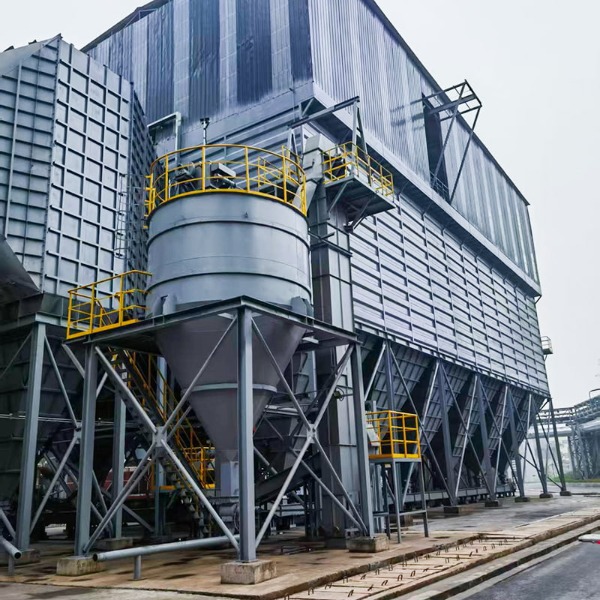
An industrial dust control system is a comprehensive network of engineering components—including hoods, ducting, filters, and fans—designed to capture, transport, and separate airborne particulates from your factory’s air before it is exhausted or recirculated. Think of it as a massive, high-precision industrial vacuum cleaner integrated directly into your production line.
While the “heart” of the system is the dust collector (like a baghouse or cartridge filter), the system only works if the “veins” (ducting) and “mouth” (suction hoods) are engineered to match your specific material density and air volume requirements. Since 2002, our team at Tiankang has focused on refining these “veins” to ensure nothing settles in the pipes and nothing leaks into the workshop.
Why is Dust Control Important for My Factory?
It is important because it prevents catastrophic dust explosions, ensures you pass environmental inspections (avoiding fines of up to ¥500,000+), and protects your expensive machinery from abrasive wear.
- Safety First: According to the U.S. Chemical Safety Board (CSB) and similar global safety bodies, combustible dust is a “silent killer” in industries like metalworking and food processing. One spark in a dusty room can trigger a secondary explosion that levels a building.
- Regulatory Compliance: Under China’s “Law on the Prevention and Control of Atmospheric Pollution,” discharging visible smoke or exceeding PM emission limits can lead to immediate shutdown orders.
- Employee Retention: It’s 2026—workers won’t stay in a “dirty” factory. High air quality reduces sick leave and turnover.
When Should I Install or Upgrade My System?
You should install a system during the initial factory design phase or upgrade immediately if you notice “visible haze” in the rafters, dust accumulating on equipment, or if your current fan is “screaming” but not sucking.
- New Lines: It is 30–40% cheaper to install dust control during construction than to retrofit it later.
- Material Changes: If you switch from cutting steel to cutting aluminum or wood, your old system is likely a fire hazard. Aluminum dust requires specialized wet scrubbers or explosion-venting baghouses.
- The “Hand Test”: If you put your hand near the suction hood and don’t feel a strong “tug,” your system’s static pressure has failed, and it’s time for an audit.
How It Works and How to Avoid “Buying a Lemon”
How Does a Dust Control System Actually Work?
The system works by creating a high-velocity air stream that carries dust through four distinct stages: Capture, Conveyance, Separation, and Discharge.
Capture: Specialized hoods use “Face Velocity” to grab dust at the source.
Conveyance: Dust travels through pipes at a specific speed (usually 3,500 to 4,500 feet per minute) to prevent the dust from falling out of the air and clogging the pipe.
Separation: Inside the Tiankang baghouse, the air slows down. Dust hits the filter bags, and clean air passes through.
Cleaning: A “Pulse Jet” of compressed air hits the bags from the inside, shaking the dust into a hopper for easy disposal.
What are the Trade-offs Between Baghouses and Cartridge Filters?
The trade-off is between “Size and Efficiency” versus “Durability and Heat Resistance.” There is no “perfect” machine, only the right one for your specific waste.
| Feature | Baghouse (Long Bags) | Cartridge Filter (Pleated) |
|---|---|---|
| Best For | Heavy dust loads, high heat, sticky dust. | Fine, dry fumes (like welding or laser cutting). |
| Maintenance | Messier to change, but bags are cheap. | Easy “slide-in” change, but filters are pricey. |
| Footprint | Usually very tall and large. | Compact; can often fit inside the workshop. |
| Durability | Handles “abuse” (moisture/sparks) better. | Very sensitive to moisture and oil. |
The “Hidden Costs” and Technical Deep Dives
How Do I Calculate the “Total Cost of Ownership” (TCO)?
The “Total Cost of Ownership” is the sum of the purchase price, the annual electricity bill, and the cost of replacement parts over five years—and the purchase price is usually the smallest number.
When speaking with a supplier, do not simply ask, “How much does it cost?” Instead, ask, “What is the pressure drop?” If the system’s pressure drop is excessive—typically due to design flaws—it will force the fan to operate under an overload, potentially resulting in significant additional annual expenses from electricity costs alone.
- Filter Life: Cheap bags might last 6 months; high-quality bags (like those using Gore-Tex or specialized PPS membranes) can last 3 years.
- Compressed Air Consumption: If your pulse-jet cleaning system is inefficient, it will waste your plant’s compressed air, which is one of the most expensive utilities in a factory. According to data from the Compressed Air and Gas Institute (CAGI), leaks and inefficient use in cleaning systems can account for 20% of a plant’s wasted energy.
What are the Critical “Points of Failure” I Should Monitor?
The three most common points of failure are the Pulse Valves, the Hopper Discharge, and the Filter Seals.
- Pulse Valve Fatigue: These valves snap open and shut thousands of times. If a valve sticks “open,” it drains your air compressor; if it sticks “closed,” the bags clog and the suction dies. We recommend checking these quarterly.
- The “Full Hopper” Disaster: A dust collector is not a storage bin. If the dust builds up inside the hopper and touches the bottom of the bags, it creates a “bridge.” This can choke the system and, in some cases, cause a fire due to friction or chemical reaction.
- Bleed-through (Leaking): If you see dust coming out of the chimney, a bag is either torn or the “seating” (where the bag attaches to the metal plate) is loose. At Tiankang, we ensure a perfectly tight seal—thereby sparing you that dreaded phone call from the environmental protection bureau regarding “black smoke” issues.
What Should I Look Out For When Buying?
The biggest mistake is buying a “box” based on price rather than a “system” based on engineering calculations.
- Check the Air-to-Cloth Ratio: Many cheap manufacturers undersize the filters to give you a lower price. If the ratio is too high, your filters will clog every week, and you’ll spend more on replacement parts than you saved on the machine. (Reference: ACGIH Industrial Ventilation Manual standards).
- The Fan Location: Always place the fan on the “clean side” of the collector. If the fan sucks dirty air directly, the dust will eat the fan blades for breakfast.
- Real Credentials: Anhui Tiankang Environmental Technology Co., Ltd. has been doing this since 2002. Ask for a manufacturer’s ISO 9001 certification and a list of “Real-World Case Studies” in your specific industry (Steel, Chemical, or Wood).
Source Credibility Signals:
- Technical standards derived from the ACGIH (American Conference of Governmental Industrial Hygienists) and NFPA (National Fire Protection Association) guidelines for combustible dust.
- Environmental compliance benchmarks based on the Ministry of Ecology and Environment of the PRC standards for industrial emission limits.