English
 Français
 عربى
عربى 简体中文
简体中文


Common Dust Filter Problems and How to Troubleshoot Them
Common Dust Filter Problems and How to Troubleshoot Them
 By Admin
Content
Dust filters are critical components in industrial environments where air quality and equipment longevity are directly affected by particulate matter. Whether in metallurgy, iron production, sand processing, or chemical conversion processes, dust filters play a central role in capturing airborne particles and maintaining operational efficiency. Despite their importance, dust filters often face performance challenges that, if unaddressed, can lead to reduced efficiency, increased energy consumption, and equipment damage.
Overview of Dust Filters in Industrial Applications
Dust filters are devices designed to remove particulate contaminants from industrial air streams. They vary in design depending on their application, airflow rate, particle size, and operational conditions. In heavy industries, such as iron mills, metallurgical plants, and sand plants, dust filters are essential for compliance with environmental regulations and for protecting machinery from abrasive dust particles.
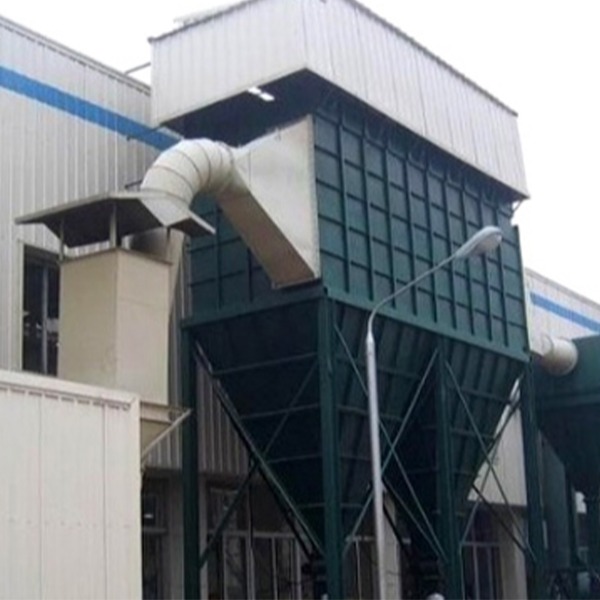
Common types of industrial dust filters include baghouse filters, cartridge filters, and cyclone separators. Each type has its advantages and specific applications:
| Filter Type | Common Application | Advantages | Limitations |
|---|---|---|---|
| Baghouse Filter | Dust filter for iron mill | High filtration efficiency, durable | Requires regular maintenance, bulky |
| Cartridge Filter | Dust filter for metallurgy industry | Compact design, easy replacement | Sensitive to high moisture, moderate lifespan |
| Cyclone Separator | Dust filter for sand plant | Low maintenance, handles large volumes | Lower fine particle capture efficiency |
Dust filters for converters are typically tailored to handle high-temperature gas streams, where particulate removal is critical to prevent equipment corrosion and maintain process stability.
Common Dust Filter Problems
Despite their robust design, dust filters frequently encounter operational issues. Understanding these problems and their causes is crucial for maintenance teams to avoid unexpected downtime and costly repairs.
Reduced Filtration Efficiency
One of the most common problems is a decline in dust capture efficiency. This can be caused by:
- Clogged filter media due to excessive dust accumulation.
- Poor sealing around filter elements, allowing unfiltered air bypass.
- Inappropriate filter selection for particle size or airflow.
Troubleshooting Steps:
- Inspect filter media for signs of clogging or damage.
- Ensure proper installation and sealing of filter elements.
- Review operational parameters and confirm that the filter type matches the application requirements.
Pressure Drop Issues
A sudden or sustained increase in pressure drop across the filter indicates that airflow is being restricted. Pressure drop is a critical indicator of filter health and efficiency.
Causes:
- Accumulated dust and debris in the filter media.
- Moisture condensation causing dust to cake on the filter surface.
- Damaged or deformed filter bags or cartridges.
Troubleshooting Steps:
- Clean or replace clogged filter elements.
- Inspect for moisture ingress and improve drainage or airflow conditions.
- Check the physical condition of filter components.
| Symptom | Possible Cause | Recommended Action |
|---|---|---|
| High pressure drop | Clogged filter media | Clean or replace filters |
| Sudden spike in pressure | Dust caking due to moisture | Improve drying, check airflow |
| Uneven pressure across units | Deformed or damaged filter media | Replace affected filter elements |
Filter Media Damage
Filter media may suffer physical damage from abrasion, chemical exposure, or thermal stress. Damaged media compromises the filter’s ability to capture dust effectively.
Causes:
- High-speed abrasive dust, typical in iron mill operations.
- Exposure to aggressive chemicals in metallurgical environments.
- Thermal shocks from hot gas streams in converters.
Troubleshooting Steps:
- Use filter media rated for the specific industrial conditions.
- Inspect filters regularly for tears or abrasions.
- Implement protective measures such as pre-filters or cooling systems.
Troubleshooting Operational Challenges by Industry
Dust filter problems can vary significantly depending on the industrial context. Below, we examine common challenges and solutions for specific applications.
Dust Filter for Iron Mill
Iron mills generate large amounts of fine particulate matter during smelting and handling operations. Common issues include:
- Rapid filter clogging due to high dust loads.
- Abrasive wear on filter bags.
- Inefficient dust capture at high airflow rates.
Solution Approach:
- Select heavy-duty filter media with abrasion resistance.
- Implement staged cleaning cycles to prevent excessive buildup.
- Ensure dust collection hoppers are emptied regularly to maintain airflow.
Dust Filter for Metallurgy Industry
In metallurgical processes, dust filters must handle chemically aggressive and high-temperature particles. Problems often include:
- Media degradation from chemical exposure.
- Blockage due to sticky or molten dust particles.
- Excessive pressure drop under variable airflow conditions.
Solution Approach:
- Choose chemically resistant filter media.
- Maintain consistent airflow to prevent dust accumulation.
- Install pre-filters to capture large or sticky particles.
Dust Filter for Sand Plant
Sand processing involves high dust loads with a wide particle size distribution. Challenges include:
- Short filter lifespan due to coarse abrasive particles.
- Uneven filtration efficiency leading to environmental compliance issues.
- Frequent maintenance requirements.
Solution Approach:
- Use cyclonic pre-separators to remove larger particles.
- Select filters designed for abrasive media.
- Implement routine inspection and maintenance schedules.
Dust Filter for Converter
Converters operate with high-temperature gas streams and fine particulate matter. Common issues:
- Thermal damage to filter media.
- Accumulation of fine dust causing high pressure drop.
- Corrosion from acidic gases.
Solution Approach:
- Install high-temperature resistant filters.
- Schedule periodic cleaning and inspection cycles.
- Use corrosion-resistant materials for filter frames and housings.
Preventive Measures for Optimal Dust Filter Performance
Preventive maintenance and proper design considerations can significantly reduce operational problems. Recommended measures include:
- Regular Inspection and Cleaning: Schedule routine checks to identify clogged, damaged, or misaligned filters.
- Filter Media Selection: Match filter media properties to dust type, particle size, and operational temperature.
- Airflow Monitoring: Continuously monitor pressure drop and airflow to detect early signs of performance degradation.
- Environmental Controls: Minimize moisture and chemical exposure through proper sealing, drying, or ventilation.
- Component Protection: Use pre-filters, cyclones, or scrubbing systems to reduce direct wear on main dust filters.
FAQ
Q1: How often should industrial dust filters be replaced?
A: Replacement frequency depends on dust load, media type, and operating conditions. Regular inspection of pressure drop and visible wear can indicate the optimal replacement schedule.
Q2: Can dust filters handle moisture-laden air streams?
A: Certain filters are designed for high humidity conditions, but excessive moisture can reduce efficiency. Pre-drying or moisture-resistant media is recommended for wet environments.
Q3: What is the main cause of high pressure drop in dust filters?
A: Most commonly, high pressure drop results from accumulated dust or caked particles on the filter media. Regular cleaning and proper airflow management can prevent this issue.
Q4: Are all dust filters suitable for high-temperature gases?
A: No. Filters must be selected based on temperature resistance. Converters and similar equipment require heat-resistant media to avoid degradation.
Q5: How can abrasive dust impact dust filter performance?
A: Abrasive particles can wear down filter media quickly, reducing lifespan and efficiency. Using abrasion-resistant materials and pre-separation systems helps mitigate this problem.