English
 Français
 عربى
عربى 简体中文
简体中文


How Are Dust Collectors Enhancing Efficiency and Safety in Industrial Steel Production?
HOME / NEWS / Industry News / How Are Dust Collectors Enhancing Efficiency and Safety in Industrial Steel Production?
 By Admin
Content
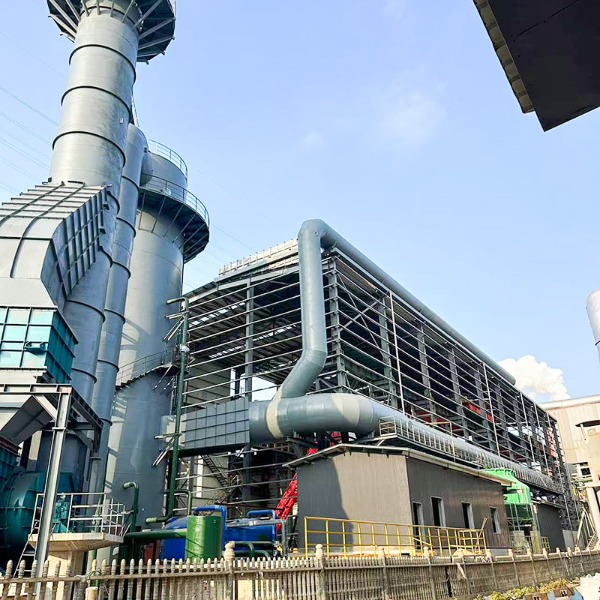
In modern industrial metallurgy, dust generation is an unavoidable consequence of high-temperature processes, metal handling, and material conversions. Dust collectors play a crucial role in maintaining a safe, efficient, and environmentally responsible production environment. They not only prevent the release of hazardous particulate matter but also enhance operational efficiency by reducing equipment wear and contamination. Among these systems, dust collector for industrial applications has become a standard solution across multiple sectors, particularly in steel manufacturing and metal processing.
Due to increasingly stringent environmental regulations and operational requirements, the demand for specialized dust collection systems has grown significantly. These systems are designed to handle large volumes of particulate matter while ensuring minimal downtime and stable performance.
Industrial environments produce dust from various sources, including raw material handling, machining, and thermal processes. Dust collector for industrial applications is engineered to manage these diverse particulate streams efficiently. Its design emphasizes high filtration capacity, robust construction, and adaptability to complex production layouts.
Common industrial applications include:
Key features of industrial dust collectors include high air volume handling, modular filter design, and automated cleaning systems to maintain consistent efficiency.
In metallurgical converters, dust generation occurs during the oxidation of molten metals. Dust collector for converter systems is optimized to capture fine metallic particles and gaseous emissions while withstanding elevated temperatures and corrosive environments.
By implementing dust collector for converter, plants can ensure compliance with environmental standards and improve workplace safety.
Oxygen converters are integral to steel refining processes, where oxygen is blown into molten iron to remove impurities. This process generates significant dust laden with metal oxides and other particulates. Dust collector for oxygen converter is designed to manage these emissions effectively.
Special considerations include:
The integration of dust collector for oxygen converter ensures operational continuity while reducing environmental impact.
The basic oxygen furnace (BOF) process is a primary method of steel production, producing large quantities of dust from molten metal oxidation. Dust collector for basic oxygen furnace or dust collector for BOF must handle extremely high dust loads and operate reliably in harsh industrial conditions.
Key performance indicators:
| Feature | Requirement | Benefit |
|---|---|---|
| Filtration efficiency | ≥ 99% for fine particulates | Reduces environmental emissions |
| Temperature tolerance | Up to 200°C continuous operation | Maintains structural integrity |
| Dust discharge | Continuous or batch discharge | Minimizes downtime |
| Maintenance | Easy filter replacement | Ensures operational reliability |
By deploying dust collector for BOF, steel plants can maintain production efficiency while achieving compliance with modern air quality standards.
Dust collector systems have evolved considerably to meet the demands of high-efficiency industrial processes. Key design principles include:
Performance optimization often involves selecting the appropriate dust collector type based on the specific industrial application. For example, while a dust collector for industrial machining operations may prioritize high airflow, a dust collector for oxygen converter must emphasize temperature resistance and chemical tolerance.
The dust collection industry is seeing several key trends that influence design, application, and operational strategies:
Modern dust collectors are increasingly equipped with sensors and IoT-enabled monitoring. This allows real-time tracking of filter condition, airflow rates, and particulate accumulation. Predictive maintenance algorithms can forecast when components need servicing, minimizing unplanned downtime.
With growing attention to sustainability, energy-efficient dust collectors are gaining prominence. Optimized fan design, pulse-jet cleaning, and reduced system pressure drop help conserve energy while maintaining high dust capture rates.
Dust collector for BOF, dust collector for oxygen converter, and other specialized units are being designed with custom features, such as high-temperature-resistant materials and corrosion-resistant coatings, tailored to specific process demands.
Dust collection systems are increasingly integrated into broader environmental management strategies. They provide data for compliance reporting, emissions tracking, and optimization of industrial processes to reduce environmental footprint.
| Application | Dust Type | Key Feature | Typical Capacity |
|---|---|---|---|
| Dust collector for industrial | General industrial dust | High airflow, modular design | Medium to high |
| Dust collector for converter | Metallic particulates | Temperature resistance, high filtration | High |
| Dust collector for oxygen converter | Metal oxides, fine dust | Corrosion resistance, automated discharge | High |
| Dust collector for basic oxygen furnace (BOF) | Steelmaking dust | High-volume handling, high efficiency | Very high |
Dust collectors have become an important part of modern industrial metallurgy. From general industrial applications to highly specialized systems, these technologies ensure operational efficiency, environmental compliance, and workplace safety.
Q1: What is the primary function of a dust collector?
A dust collector captures and removes particulate matter from air or gas streams to improve environmental safety and maintain industrial efficiency.
Q2: How does a dust collector for BOF differ from a standard industrial dust collector?
Dust collectors for BOF are designed for extremely high dust loads, high-temperature operation, and resistance to corrosive particles, whereas standard industrial dust collectors may handle moderate dust volumes and less severe conditions.
Q3: Can dust collectors for oxygen converters handle metal oxides effectively?
Yes, these systems are specifically designed to capture fine metal oxide particles while accommodating temperature fluctuations and chemical challenges.
Q4: What maintenance practices ensure optimal dust collector performance?
Regular filter inspection and replacement, monitoring of airflow and pressure drop, and scheduled cleaning cycles are essential for maintaining efficiency and reliability.
Q5: Are dust collectors energy-intensive?
Modern dust collectors are optimized for energy efficiency, balancing airflow requirements with low energy consumption through advanced fan and filter design.