English
 Français
 عربى
عربى 简体中文
简体中文


Dust Control System for Metal Smelters: A Must-Have
Dust Control System for Metal Smelters: A Must-Have
 By Admin
Content
- 1 Dust Control System for Metal Smelters: Why Heavy Industry Cannot Ignore It
- 2 The Core Role of a Dust Control System
- 3 Application Industry 1: Steel Mills
- 4 Application Industry 2: Copper Smelters
- 5 Application Industry 3: Non-Ferrous Metal Smelting (Aluminum, Zinc, Lead)
- 6 Why An Engineered Dust Control System Beats a Standalone Dust Collector
- 7 Frequently Asked Questions (FAQ)
- 8 Company Introduction – Anhui Tiankang Environmental Technology Co., Ltd.
- 9 Conclusion
Dust Control System for Metal Smelters: Why Heavy Industry Cannot Ignore It
Industrial production, especially in high-temperature metallurgy, generates massive amounts of particulate matter. Without proper management, these airborne particles harm worker health, damage equipment, and violate environmental regulations. The most effective solution today is a well-designed dust control system.
The Core Role of a Dust Control System
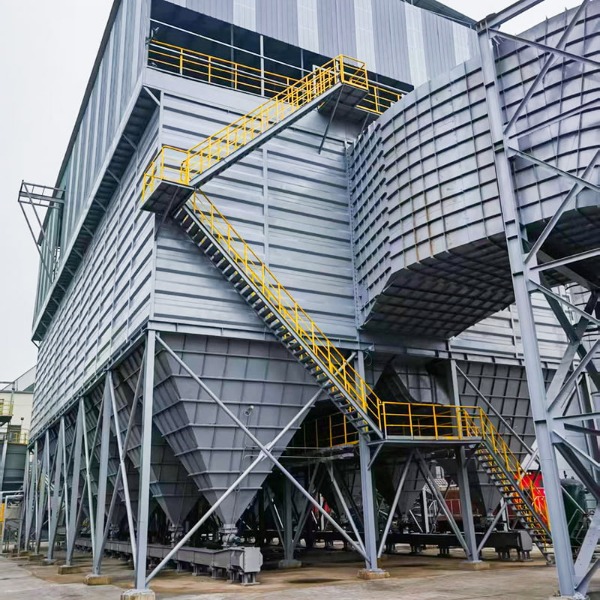
A dust control system is more than a filter. It is an engineered network comprising capture hoods, ductwork, dust collectors (often bag filters), fans, and ash handling devices. Its purpose is to capture dust at its source, convey it safely, separate particles from air, and discharge clean gas. Compared to simple dust collectors, a full dust control system ensures continuous compliance and lower long-term operating costs.
In heavy industries like steelmaking and non-ferrous smelting, dust particles are often fine, abrasive, and chemically reactive. A generic dust filter may clog quickly or fail at high temperatures. Therefore, metallurgical plants require custom-engineered systems, not off-the-shelf units.
Application Industry 1: Steel Mills
Steel mills generate dust at almost every stage: from raw material handling (sintering and pelletizing) to ironmaking (blast furnace tapping), steelmaking (converter and electric arc furnace), and rolling. Each source demands a different capture method.
For a steel mill, a dust control system typically includes:
- Roof hoods or side-draft hoods over furnaces
- Ductwork with expansion joints and sliding supports
- High-temperature bag filter using flame-retardant or PTFE-coated bags
- Ash conveying system for recycling collected dust
One critical point is the management of hot gases. Without proper cooling or spark arrestors, bag filters can catch fire. A well-engineered system avoids this through pre-separators or gas conditioners.
Application Industry 2: Copper Smelters
Copper smelting involves roasting, smelting, and converting. Each step releases sulfur-containing dust mixed with metal oxides. Unlike steel dust, copper smelter dust is often sticky and hygroscopic, which can blind traditional filter bags.
Therefore, a specialized dust control system for copper smelters must include:
- Anti-static or anti-sticky bag materials
- Insulated ductwork to prevent condensation
- Pulse jet cleaning with high-pressure air
- Condensate drainers to remove moisture
Many copper smelters also operate in remote areas with limited water resources. Hence, dry dust collection is preferred over wet scrubbers. A bag dust filter offers dry, recoverable dust that can be returned to the smelting process, saving raw material costs.
Application Industry 3: Non-Ferrous Metal Smelting (Aluminum, Zinc, Lead)
Non-ferrous smelting covers aluminum, zinc, and lead production. Each presents unique challenges.
- Aluminum smelting : Primary aluminum production releases fluoride fumes and fine alumina dust. A dust control system here must handle both particulate and gaseous fluorides, often requiring a lime-injected bag filter.
- Zinc smelting : Zinc dust is pyrophoric – it can spontaneously ignite. Dust collectors must be explosion-proof, with burst panels and inert gas purging.
- Lead smelting : Lead dust is toxic. Absolute capture efficiency is non-negotiable. HEPA-grade filters or very high-quality bag filters with low emission limits are mandatory.
The non-ferrous metals industry increasingly relies on centralized dust control systems with multiple pickup points. A single fan and filter unit may serve a crushing station, a conveyor transfer point, and a furnace charging area simultaneously.
Comparison of Key Requirements by Industry
The table below summarizes the different demands across the three industries discussed.
| Industry | Dust Characteristics | Critical Feature of Dust Control System | Common Filter Type |
|---|---|---|---|
| Steel mill | High temperature, coarse to fine | Heat resistance, spark arrestor | Nomex or P84 bag filter |
| Copper smelter | Sticky, hygroscopic | Anti-sticky bag, insulation | PTFE membrane bag filter |
| Non-ferrous smelting (Al/Zn/Pb) | Toxic, pyrophoric or reactive | Explosion protection, HEPA option | Anti-static + flame-retardant bag |
Why An Engineered Dust Control System Beats a Standalone Dust Collector
Some plant managers think a simple dust collector – just a filter unit – is enough. That is rarely true in metallurgy. A standalone dust collector lacks:
- Proper hood design (leading to dust escape)
- Balanced ductwork (causing uneven airflow)
- Reliable ash discharge (resulting in secondary dust)
A full dust control system integrates these components. It ensures that capture happens before dust spreads, not after. This distinction separates a compliant, safe plant from one facing fines or shutdowns.
Frequently Asked Questions (FAQ)
Q1: Can the same Dust Control System work for both a steel mill and a copper smelter?
No. Steel mill dust is typically hot and dry, while copper smelter dust is sticky and moist. A system designed for steel will fail quickly in copper smelting unless the filter media and duct insulation are changed. Each application requires its own engineering approach.
Q2: How often should filter bags be replaced in a smelter Dust Control System?
It depends on the temperature, chemical composition, and cleaning frequency. In steel mills, quality Nomex bags may last 24–36 months. In copper smelters with sticky dust, bag life can drop to 12–18 months. Regular differential pressure monitoring helps schedule replacements.
Q3: Does a Dust Control System help recover valuable materials?
Yes, especially in non-ferrous smelting. Collected dust from copper, zinc, or lead furnaces often contains high metal content that can be recycled back into the process. This turns waste into profit and reduces raw material purchases.
Q4: What is the most common mistake when designing a Dust Control System for a foundry or smelter?
Under-sizing the ductwork and fan. Many engineers worry about upfront cost and choose smaller diameters. The result is low capture velocity at hoods, dust settling in horizontal ducts, and frequent clogging. Proper sizing is always cheaper in the long run.
Company Introduction – Anhui Tiankang Environmental Technology Co., Ltd.
Anhui Tiankang Environmental Technology Co., Ltd (formerly Wuxi Tomorrow Environmental Protection Equipment Co., Ltd), founded in 2002, is a high-tech enterprise dedicated to environmental protection and governance. The company designs and delivers complete dust control systems for demanding industries including steelmaking, non-ferrous metal smelting, and foundries.
Their product range covers bag filter systems, desulfurization and denitrification units, VOC treatment (RTO, RCO, zeolite rotors), as well as all auxiliary components: hoods (electric furnace fully enclosed hood, roof hood, converter furnace hood), mobile ventilation slots, mufflers, desulfurization towers, ash conveying equipment, flexible compensators, pipe sliding supports, condensate drainers, and custom filter bags with keels. The company aims to return fresh, clear skies to nature.
For a steel mill or copper smelter owner, choosing Anhui Tiankang means receiving an engineered dust control system – not just a box of filters – backed by two decades of industrial experience.
Conclusion
A properly designed dust control system is non-negotiable for steel mills, copper smelters, and non-ferrous metal plants. It protects workers, complies with environmental laws, and often recovers valuable materials. Unlike a basic dust collector, a complete system addresses hooding, ducting, filtration, and ash handling together. Companies like Anhui Tiankang Environmental Technology Co., Ltd provide these integrated solutions without relying on third-party brands. When selecting equipment for high-temperature, sticky, or toxic dust, always prioritize engineering quality over commodity pricing. The air – and your bottom line – will thank you.