English
 Français
 عربى
عربى 简体中文
简体中文


Dust Control System vs. Traditional Methods: Which Is More Effective?
Dust Control System vs. Traditional Methods: Which Is More Effective?
 By Admin
Content
The need for effective dust control has become more pressing across industries such as steel manufacturing, cement production, and power generation. Traditional methods of dust control have been widely used for years, but with advancements in technology and growing concerns about air quality, newer systems, such as modern dust control systems, have emerged.
Introduction: The Challenge of Dust Pollution
Dust pollution is a significant environmental and health concern. In industries like steel plants, cement factories, power plants, waste incineration facilities, and food production units, airborne dust can be harmful to both the environment and workers. Dust not only degrades air quality but can also lead to respiratory diseases, poor visibility, and equipment damage. The need for effective dust control methods has never been more crucial.
Dust control technologies aim to capture and filter harmful dust particles, preventing them from being released into the atmosphere. These systems reduce the impact of dust on health and the environment, and help companies comply with stringent regulations regarding air pollution control.
Traditional Dust Control Methods: An Overview
Before modern dust control systems, industries relied on traditional methods to manage dust. These methods, while still in use today, often have limitations in terms of efficiency, cost-effectiveness, and environmental impact.
Water Spraying
Water spraying is one of the simplest and oldest techniques used to control dust in various industries. The principle is simple: water is sprayed over the dust-producing areas, binding the dust particles and preventing them from becoming airborne. While this method is relatively inexpensive, it has limitations:
- Effectiveness: Water spraying is effective only for larger dust particles and works best in humid conditions.
- Operational Issues: Excessive water usage can lead to puddling, creating slippery surfaces and potential hazards for workers.
- Environmental Impact: The water used for spraying can carry pollutants into nearby water bodies if not properly managed.
Enclosures and Barriers
Another traditional method involves enclosing dust-producing processes or creating physical barriers around them to contain the dust. While this method can be effective in some scenarios, it comes with its own set of challenges:
- Limited Coverage: Enclosures can only control dust within a confined area, leaving dust to escape from open spaces.
- Cost: Building and maintaining these barriers can be expensive, especially for large facilities.
- Space Constraints: Enclosures may not be feasible in facilities with limited space.
Manual Cleaning
Manual cleaning, such as sweeping or vacuuming dust from floors and equipment, is still used in some industries. This method involves regular maintenance to prevent dust accumulation. However, it has clear drawbacks:
- Labor-Intensive: This method requires a significant amount of manpower and time.
- Ineffectiveness for Fine Dust: It may not capture fine dust particles or prevent them from being released back into the air.
Modern Dust Control Systems: Advanced Solutions for a Cleaner Environment
Modern dust control systems are designed to be more efficient, reliable, and environmentally friendly than traditional methods. These systems are typically equipped with advanced technologies like dust filters, cyclonic separators, and electrostatic precipitators, all aimed at providing better air pollution control.
Dust Filter Systems
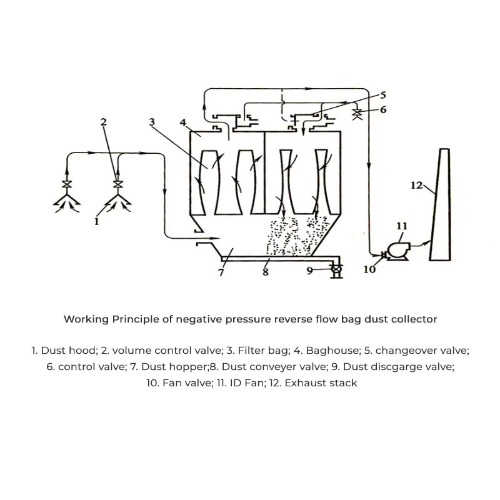
Dust filter systems are among the most effective solutions for capturing fine dust particles. These systems use filters to trap dust as air passes through them. Over time, dust filter systems have evolved from simple bag filters to more sophisticated designs, such as high-efficiency particulate air (HEPA) filters and electrostatic precipitators.
- Effectiveness: Dust filter systems are capable of capturing a wide range of dust particle sizes, from coarse particles to fine dust that is difficult to remove with traditional methods.
- Air Pollution Control: These systems help significantly reduce the emission of particulate matter, ensuring that facilities remain compliant with air quality regulations.
- Energy Efficiency: Many modern dust filter systems are designed to consume less energy compared to older models, making them more cost-effective in the long run.
Cyclonic Separators
Cyclonic separators are devices that use centrifugal force to separate dust particles from air. The high-speed rotation causes heavier dust particles to be thrown against the wall of the separator, where they fall into a collection chamber.
- Effectiveness: Cyclonic separators are effective for larger dust particles and can handle high volumes of air. However, they may not capture finer particles as efficiently as dust filters.
- Cost-Effective: Cyclonic separators are relatively low-maintenance and do not require expensive filters, making them a cost-effective solution for many industries.
Electrostatic Precipitators
Electrostatic precipitators (ESPs) are sophisticated air pollution control devices that use electrical charges to remove dust particles from exhaust gases. ESPs are commonly used in industries such as steel production, cement manufacturing, and power generation.
- Effectiveness: ESPs are highly effective at capturing fine particles, making them ideal for industries with stringent air quality standards.
- Maintenance: While they offer high efficiency, ESPs require regular maintenance to ensure their optimal performance.
Wet Scrubbers
Wet scrubbers use water or chemical solutions to capture dust particles from the air. The gas stream is passed through a scrubber, where the dust particles are absorbed by the liquid.
- Effectiveness: Wet scrubbers are effective for controlling both dust and gaseous pollutants, making them useful in industries where both types of emissions are a concern.
- Environmental Impact: Although effective, the discharge from wet scrubbers can contribute to water pollution if not treated properly.
Comparing Dust Control Systems and Traditional Methods
| Method | Effectiveness | Maintenance | Environmental Impact | Cost |
|---|---|---|---|---|
| Water Spraying | Low to moderate, only effective for larger particles | Low (but needs frequent refills) | Potential for water pollution | Low initial cost |
| Enclosures and Barriers | Moderate, limited to confined areas | High (construction and maintenance) | Can cause operational challenges | High initial cost |
| Manual Cleaning | Low, ineffective for fine dust | High (labor-intensive) | Minimal but labor and water waste | Low initial cost |
| Dust Filter Systems | High, effective for fine and coarse dust | Moderate (periodic filter replacement) | Low (dust capture reduces pollution) | High initial cost, low long-term costs |
| Cyclonic Separators | High for larger particles, moderate for fine dust | Moderate (periodic cleaning) | Low (minimal secondary waste) | Moderate initial cost |
| Electrostatic Precipitators | Very high, captures fine particles | High (requires frequent maintenance) | Low (very efficient dust capture) | High initial cost, high maintenance costs |
| Wet Scrubbers | High for both dust and gaseous pollutants | Moderate to high (regular checks required) | Moderate (can cause water pollution) | Moderate to high initial cost |
Which is More Effective?
When comparing modern dust control systems with traditional methods, the former consistently outperforms in terms of efficiency, long-term cost-effectiveness, and environmental sustainability. Dust filter systems and electrostatic precipitators, for instance, are far more efficient in capturing fine particles, which traditional methods struggle with. Additionally, the reduced environmental impact of modern systems, along with their ability to comply with stricter regulations, makes them an attractive option for industries aiming to improve air quality and worker safety.
While traditional methods like water spraying or manual cleaning are still used in some applications, they are becoming increasingly less viable as industries seek to meet higher environmental standards and ensure the safety of their workers.
FAQ
1. What is a dust control system?
A dust control system is a collection of equipment and technologies designed to capture, filter, and remove dust particles from the air in industrial environments. These systems are used to reduce air pollution, ensure worker safety, and comply with environmental regulations.
2. How does a dust filter work?
A dust filter works by forcing air through a porous medium, where dust particles are trapped. The filtered air is then released into the environment, with a significant reduction in dust particles.
3. Are electrostatic precipitators effective?
Yes, electrostatic precipitators are highly effective at capturing fine particles from industrial exhaust gases. They are commonly used in industries such as steel manufacturing and power generation.
4. What are the environmental benefits of using modern dust control systems?
Modern dust control systems, such as dust filters and electrostatic precipitators, help reduce the emission of harmful dust particles into the air, improving air quality and minimizing environmental pollution.
5. Are traditional dust control methods still useful?
Traditional methods, like water spraying and manual cleaning, may still be useful in certain applications. However, they are generally less effective and more labor-intensive compared to modern dust control systems.