English
 Français
 عربى
عربى 简体中文
简体中文


How to Troubleshoot Common Issues in Electrostatic Precipitators?
How to Troubleshoot Common Issues in Electrostatic Precipitators?
 By Admin
Content
- 1 What is an Electrostatic Precipitator?
- 2 Common Issues in Electrostatic Precipitators
- 3 FAQ
Electrostatic precipitators (ESPs) are widely used in industrial applications for removing fine particles, such as flue gas and industrial dust, from waste gases. These devices rely on electrostatic forces to attract and remove particulate matter from the air. With increasing environmental regulations and the demand for cleaner air in various industries, the proper functioning of electrostatic precipitators is crucial. However, like any complex system, ESPs may encounter problems that can affect their performance.
What is an Electrostatic Precipitator?
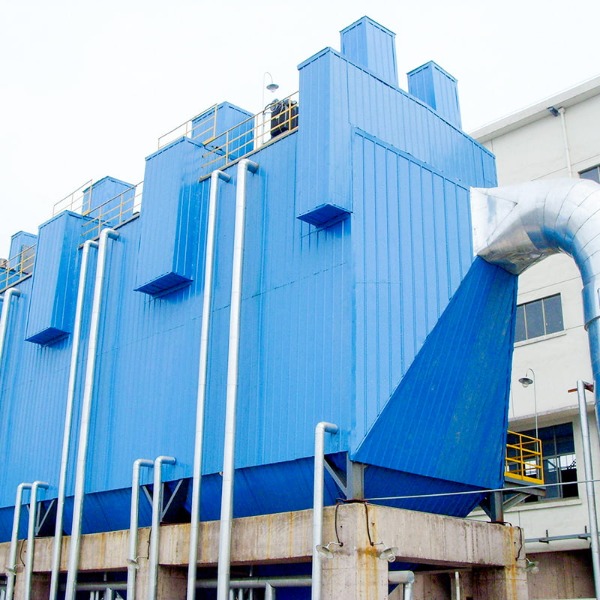
An electrostatic precipitator is a device that uses electrostatic force to remove suspended particles from waste gases. It primarily consists of two key components: the discharge electrode and the collector. When high-voltage direct current is applied to the discharge electrode, a strong electric field is created around it. This field charges the dust particles in the air, typically giving them a negative charge. The charged particles are then attracted to the grounded collector, where they are removed from the airstream.
The dust that accumulates on the collector is collected in an ash hopper at the bottom of the precipitator, often through regular vibration or ultrasonic cleaning methods. ESPs are widely used in steel plants, power plants, cement plants, and other industrial environments where waste gas treatment is necessary.
Common Issues in Electrostatic Precipitators
Several common issues can arise with electrostatic precipitators, affecting their efficiency and performance. Troubleshooting these problems effectively requires a clear understanding of the device’s operation and its components.
Power Supply Failures
A common issue that can lead to poor performance in electrostatic precipitators is power supply failure. Electrostatic precipitators rely on a high-voltage direct current (DC) power supply to generate the electric field required to charge the particles in the air. If there is a disruption in the power supply, the electric field cannot be maintained, causing the ESP to fail at dust collection.
Troubleshooting Power Supply Failures:
- Check the power supply: Ensure that the power supply is functioning correctly and delivering the required voltage.
- Inspect wiring and connections: Look for damaged or loose wiring, especially near the high-voltage components.
- Test the transformer: The transformer in the power supply system should be checked for proper output. A malfunctioning transformer can prevent the ESP from working efficiently.
Electrode and Collector Malfunctions
The discharge electrodes and collectors are the core components of an electrostatic precipitator. If they become damaged or coated with dust, the system’s efficiency can decrease significantly.
Troubleshooting Electrode and Collector Issues:
- Inspect the discharge electrodes: Ensure the electrodes are clean and free from any build-up of dust or other materials. If the electrodes are excessively coated, they will not generate a strong electric field.
- Examine the collector plates: The collector plates should be free from obstruction and corrosion. Any accumulation of dust on the plates reduces their ability to attract charged particles.
- Vibration and ultrasonic cleaning: Regular vibration or ultrasonic cleaning methods can help remove the dust that accumulates on the electrodes and collectors, improving the performance of the ESP.
Insufficient Dust Removal
In some cases, electrostatic precipitators may not remove enough dust from the gas stream, leading to a higher concentration of particulate matter in the air. This can happen for several reasons, such as insufficient charging of the particles or poor collector performance.
Troubleshooting Dust Removal Issues:
- Check the voltage levels: Ensure the high-voltage power supply is providing the necessary voltage for proper particle ionization. Low voltage can result in insufficient charging of dust particles.
- Examine the gas flow rate: If the gas flow rate is too high, the electrostatic precipitator may not have enough time to capture the dust particles. Adjusting the gas flow rate can help improve dust collection efficiency.
- Evaluate the particle size: Smaller particles may not be effectively charged by the electrostatic field, making it more difficult for the ESP to collect them. A change in particle size distribution may require adjustments to the ESP settings.
Increased Energy Consumption
Sometimes, electrostatic precipitators may consume more energy than usual, which can lead to higher operating costs. Increased energy consumption can be a sign of inefficient operation or mechanical failure.
Troubleshooting High Energy Consumption:
- Check for leakage: If there is leakage in the system, more energy is required to maintain the electric field. Inspect the system for any leaks and repair them promptly.
- Evaluate the efficiency of the dust collection process: Inefficient dust collection can cause the system to work harder than necessary, leading to increased energy consumption. Regular maintenance and cleaning of the electrodes and collectors can help reduce energy usage.
Corrosion and Wear
ESPs are exposed to harsh industrial environments, and the components can suffer from corrosion or wear over time. Corrosion can weaken the structure of the electrodes and collectors, while wear can cause mechanical failure in the cleaning system.
Troubleshooting Corrosion and Wear Issues:
- Inspect for corrosion: Check the components of the ESP, particularly the electrodes, collectors, and ash hoppers, for signs of corrosion. If corrosion is present, replace the affected parts as necessary.
- Regular maintenance: Routine inspections and maintenance can help prevent corrosion and wear, extending the lifespan of the electrostatic precipitator.
Preventive Maintenance for Electrostatic Precipitators
To minimize the occurrence of these issues, regular preventive maintenance is essential. A well-maintained electrostatic precipitator will operate more efficiently and require fewer repairs. Some key aspects of preventive maintenance include:
- Regular inspection: Inspect all components of the electrostatic precipitator, including the power supply, electrodes, collectors, and ash hoppers, at regular intervals.
- Cleaning the electrodes and collectors: Use vibration or ultrasonic cleaning methods to remove accumulated dust from the electrodes and collectors.
- Calibrate the power supply: Ensure that the power supply is delivering the correct voltage and is functioning within the manufacturer’s specifications.
Troubleshooting Table
| Problem | Cause | Solution |
|---|---|---|
| Power Supply Failure | Faulty transformer or wiring | Check wiring, test transformer, and inspect power supply |
| Electrode and Collector Malfunctions | Dust accumulation, corrosion | Clean electrodes and collectors, inspect for damage |
| Insufficient Dust Removal | Low voltage, high gas flow | Check voltage levels, adjust gas flow rate, evaluate particle size |
| High Energy Consumption | System leakage, inefficiency | Inspect for leakage, optimize dust collection process |
| Corrosion and Wear | Harsh industrial environment | Inspect for corrosion, replace damaged components |
FAQ
1. What is an electrostatic precipitator used for?
An electrostatic precipitator is used to remove fine particles, such as industrial dust and flue gas, from waste gases in various industrial applications, including power plants and cement plants.
2. How does an electrostatic precipitator work?
An electrostatic precipitator uses a high-voltage electric field to charge particles in the air, which are then attracted to a grounded collector. The dust is collected and removed from the system.
3. Why is regular maintenance important for electrostatic precipitators?
Regular maintenance ensures that the ESP operates efficiently, prevents unnecessary breakdowns, and extends the lifespan of the equipment.
4. What are some common issues in electrostatic precipitators?
Common issues include power supply failures, electrode and collector malfunctions, insufficient dust removal, increased energy consumption, and corrosion or wear of components.
5. How can I improve the dust collection efficiency of my electrostatic precipitator?
To improve dust collection efficiency, ensure that the voltage levels are correct, the gas flow rate is optimized, and the electrodes and collectors are cleaned regularly.
By addressing these common issues and implementing effective troubleshooting methods, you can maintain your electrostatic precipitator’s efficiency and ensure reliable waste gas treatment in industrial settings.