English
 Français
 عربى
عربى 简体中文
简体中文


Guide to Cartridge Dust Collectors: What to Know Before You Buy
Guide to Cartridge Dust Collectors: What to Know Before You Buy
 By Admin
Content
- 1 What Is a Cartridge Dust Collector?
- 2 Types of Cartridge Dust Collectors
- 3 Cartridge Dust Collector vs. Baghouse
- 4 Cartridge Dust Collector vs. Cyclone Collectors
- 5 Advantages of Cartridge-Style Dust Collectors
- 6 Applications of Cartridge Dust Collectors
- 7 Key Considerations When Choosing a Cartridge Dust Collector
- 8 Maintaining a Cartridge Dust Collector
- 9 Why Choose Tiankang?
- 10 Conclusion
Cartridge dust collectors are essential in industries where air quality is paramount. They offer reliable and efficient air filtration solutions, ensuring the removal of harmful dust and particulates from the environment. These systems have become a popular choice in a range of industries, including steel manufacturing, casting, pharmaceuticals, glass production, cement manufacturing, and non-ferrous metal smelting.
What Is a Cartridge Dust Collector?
A cartridge dust collector is a specialized air filtration system designed to remove fine dust and particulate matter from industrial environments. Using pleated filter cartridges, this system captures airborne particulates and prevents their release into the atmosphere. The filter cartridges are typically cleaned using a pulse-jet mechanism, ensuring maximum filtration efficiency.
Cartridge dust collectors are known for their compact design and versatility, making them a preferred choice in various industrial applications. They can handle diverse types of dust, including fine, fibrous, and hazardous particles.
Types of Cartridge Dust Collectors
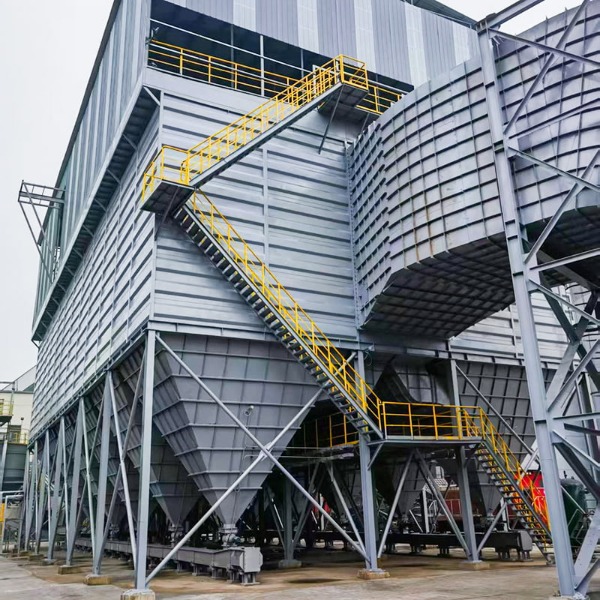
Depending on the application and required filtration efficiency, cartridge dust collectors are available in various configurations, such as Tiankang’s low-pressure pulse jet filter cartridge dust collector.
The Low-Pressure Pulse Jet Filter Cartridge Dust Collector is designed for efficient filtration of dusty flue gas, ensuring ultra-low emissions of less than 8 mg/Nm³. The system uses pleated filter cartridges with a larger surface area, allowing for compact design and higher filtration efficiency. When dust accumulation reaches a threshold, pulse valves release compressed air to clean the filters, restoring their capacity.
Ideal for industries like steel, power plants, and sand plant, coking plant, this collector operates with low resistance and low filtration wind speed (below 0.8 m/min), providing energy-efficient operation. It is best suited for dry, non-hygroscopic dust and gas temperatures below 150°C. The system is customizable to meet specific needs and can handle air volumes from 50,000 to 1.2 million m³/h.
Product Features:
Ultra-low emissions (<8 mg/Nm³)
Pulse cleaning system for easy maintenance
Compact design with low resistance
Suitable for various industrial applications
Cartridge Dust Collector vs. Baghouse
Both cartridge dust collectors and baghouse systems are used for industrial dust removal, but they differ in several ways:
Size and Space: Cartridge dust collectors are more compact and easier to install in smaller spaces compared to baghouse collectors, which require large areas due to their bulkier filter bags.
Filtration Efficiency: Cartridge collectors offer higher filtration efficiency, especially for fine and fibrous dust. The pleated design increases the surface area for filtration, allowing them to capture smaller particles more effectively than baghouse systems.
Maintenance: Cartridge filters are easier to replace, which minimizes downtime for maintenance. Baghouse systems, on the other hand, require more complex maintenance due to their large fabric bags.
Cartridge Dust Collector vs. Cyclone Collectors
Cyclone dust collectors use centrifugal force to separate larger dust particles from the air. While effective for coarser dust, cyclone collectors lack the efficiency needed for fine dust removal, making them less suitable for applications where air quality is strictly regulated. Cartridge collectors, however, excel at filtering fine particulates and are ideal for applications involving hazardous or toxic dust.
Advantages of Cartridge-Style Dust Collectors
Cartridge dust collectors offer several advantages for industries requiring efficient air pollution control:
High Filtration Efficiency: Cartridge filters can achieve efficiencies of up to 99% for particles as small as 0.3 microns, which makes them effective at capturing harmful fine dust.
Compact Design: Due to their pleated filter design, cartridge collectors are much smaller and lighter compared to other systems. This makes them easy to install in tight spaces and reduces the overall floor area required.
Energy Efficiency: Many cartridge dust collectors are designed with energy efficiency in mind. Their compact design reduces energy consumption, especially when compared to larger baghouse or cyclone collectors.
Low Maintenance: Cartridge filters are easy to clean and replace, which reduces the maintenance burden. Additionally, systems equipped with pulse-jet cleaning mechanisms ensure that filters maintain optimal performance without frequent replacements.
Noise Reduction: Cartridge dust collectors are typically quieter than other types of dust collection systems, making them a good choice for noise-sensitive environments.
Applications of Cartridge Dust Collectors
Cartridge dust collectors are used across various industries, including:
Steel Manufacturing: In processes like sintering, pelletizing, and steel production, cartridge dust collectors help capture harmful particulates from the air.
Foundry Industry: Foundries dealing with metal casting require robust dust collection systems to capture airborne particles and fumes.
Pharmaceuticals: In pharmaceutical manufacturing, cartridge dust collectors are used to ensure a safe and clean environment by removing fine particulates from the air.
Glass Production: Dust generated during glass manufacturing is efficiently captured by cartridge collectors, ensuring that harmful substances do not contaminate the air.
Non-ferrous Metal Smelting: Non-ferrous metal industries also rely on these systems to control dust and waste gas emissions during production.
Key Considerations When Choosing a Cartridge Dust Collector
Choosing the right cartridge dust collector for your facility requires considering several factors:
Airflow Requirements (CFM)
Determine the required airflow for your system, which is typically measured in Cubic Feet per Minute (CFM). This will depend on the dust load and the type of operation.
Filter Media Selection
Choose the right filter media based on the type of dust being collected. Factors such as particle size, moisture content, and abrasiveness will influence filter selection. Filter media may include materials such as cellulose, polyester, or PTFE.
Filtration Efficiency (MERV Rating)
The Minimum Efficiency Reporting Value (MERV) rating indicates the efficiency of the filter in removing particles. Higher MERV ratings are ideal for applications requiring high-efficiency filtration of small particles.
Energy Consumption
Look for models that include energy-saving features like variable frequency drives (VFD) motors to reduce energy use during operation.
Safety Features
Depending on the dust type, ensure that the collector is equipped with safety features like fire suppression systems, explosion venting, and spark arrestors.
Maintaining a Cartridge Dust Collector
Proper maintenance is essential to ensure the longevity and performance of your dust collection system:
Filter Inspection and Replacement: Regularly inspect filters for wear and damage. Replace filters as needed to maintain optimal efficiency.
Cleaning Mechanisms: Ensure that pulse-jet cleaning systems are working effectively to dislodge dust from filters and maintain their performance.
Dust Disposal: Periodically empty the dust collection bins and hoppers to avoid overfilling and ensure continuous operation.
System Monitoring: Keep track of key performance indicators such as pressure drop, airflow, and dust emissions. This will help identify potential issues before they affect the system’s performance.
Why Choose Tiankang?
Anhui Tiankang Environmental Technology Co., Ltd specializes in providing comprehensive dust removal systems for a variety of industries. We offer a wide range of products, including:
Bag Filter Systems for the steel industry (covering raw materials, batching, pelletizing, sintering, ironmaking, steelmaking, and steel rolling)
Dust Removal and Flue Gas Recycling Systems for converters
Steel Slag Treatment Systems
VOC Treatment Systems, including activated carbon adsorption, catalytic combustion, RTO, UV pretreatment + zeolite rotor adsorption + RCO devices
Flue Gas Heat Exchangers and Coolers
Trap Hoods, including fully enclosed electric furnace hoods, roof hoods, converter furnace hoods, blast furnace tapping port hoods, slag skimmer hoods, various belt hoods, and scattered-point hoods in steelmaking workshops
Mobile Ventilation Slots, Mufflers, and Desulfurization Towers
Ash Conveying Equipment, Flexible Compensators for Ventilation Pipes, Pipe Sliding Supports, and Condensate Drainers
Customized Accessories, such as bags, keels, and more
Our products are used in industries such as steel manufacturing, casting, pharmaceuticals, glass production, cement manufacturing, and non-ferrous metal smelting, ensuring high-quality air pollution control and waste gas treatment. Our focus on air pollution control technology ensures that our systems provide efficient filtration and waste gas treatment solutions for diverse industrial needs.
Conclusion
Cartridge dust collectors are an excellent choice for industries requiring efficient and compact air filtration systems. With high filtration efficiency, low maintenance, and energy efficiency, these systems are ideal for controlling air pollution and ensuring workplace safety. At Anhui Tiankang Environmental Technology Co., Ltd, we provide cutting-edge solutions for dust collection, waste gas treatment, and air pollution control, helping industries meet environmental standards and create a safe working environment.
For more information on our dust collection systems, including specifications and product catalogs, please contact us directly.