English
 Français
 عربى
عربى 简体中文
简体中文


What is Dust Suppression?
What is Dust Suppression?
 By Admin
Content
Understanding Dust Suppression
Dust suppression refers to the methods and technologies used to reduce or control the release of dust particles into the air. These particles, often generated by industrial processes, can cause a range of issues, from environmental pollution to severe health hazards for workers. Dust control is particularly critical in industries like metallurgy, steel production, foundries, and non-ferrous metals processing, where dust is an unavoidable byproduct of operations.
Effective dust suppression systems aim to mitigate the impact of airborne particulate matter, ensuring a cleaner, safer working environment. It includes a combination of engineering methods, equipment, and technologies that prevent dust from spreading and settling on equipment, materials, and workers.
Why is Dust Suppression Needed?
The need for dust suppression is driven by several factors, including:
Health Risks: Inhaling dust particles, particularly in industries that process metals or materials like coal, can cause serious respiratory issues. Conditions such as pneumoconiosis (commonly known as “black lung” disease) and other pulmonary diseases are directly linked to exposure to dust.
Environmental Impact: Dust can pollute the air, water, and soil. When released into the atmosphere, it can travel over long distances and contribute to environmental degradation.
Safety Hazards: Fine dust particles, particularly those from flammable materials, can pose fire and explosion risks in certain industrial environments.
Regulatory Compliance: Governments across the world have stringent regulations in place to ensure air quality standards are met. Industries must comply with these regulations to avoid penalties and safeguard the health of their workforce and surrounding communities.
Dust suppression systems help address these concerns by capturing, containing, and controlling dust emissions at their source before they can spread.
Where is Dust Suppression Used?
Dust suppression systems are widely utilized in industries where dust is a natural byproduct of the manufacturing or processing process. The following are key industries where dust control is critical:
Steel & Slag Processing
The steel industry generates significant dust during processes like sintering, pelletizing, and steelmaking. Steel slag, a byproduct of steel production, can also create dust that poses risks to both health and equipment. A well-designed dust control system is essential for reducing exposure to harmful particulates and improving air quality within steel production facilities.
Metallurgy Industry
Metallurgical processes, including smelting and casting, release substantial amounts of dust. Non-ferrous metals, such as aluminum, copper, and zinc, also produce fine dust that can contaminate the air. In these high-temperature environments, dust suppression systems play a crucial role in protecting workers and the environment.
Sand Plant
Sand production and processing are dust-intensive operations, especially during activities like crushing and screening. Dust generated in sand plants can affect air quality and the health of personnel working in and around the plant. Effective dust suppression solutions are necessary for controlling dust emissions and maintaining a safe working environment.
Non-ferrous Metals Metallurgy Industry
In non-ferrous metal production, such as for copper, lead, and zinc, dust is generated during ore processing and smelting. Non-ferrous metals tend to produce finer, more hazardous dust particles that require specialized suppression techniques to ensure the safety of workers and reduce environmental contamination.
Foundry Industry
Foundries dealing with the casting of metals and other materials generate dust at various stages of production, including molding, core making, and sand preparation. Dust can cause equipment wear, reduce efficiency, and impact worker health. Implementing a robust dust control system is essential for minimizing these risks.
Creating A Dust Management Plan
A comprehensive dust management plan is essential to reduce dust emissions effectively. This plan should include:
Risk Assessment
Identify potential dust generation points within the facility and assess the health risks associated with each. Consider the types of dust generated, its size, and its potential for harm to both people and equipment.
Evaluation of Dust Suppression Methods
Assess available dust suppression technologies to identify the most suitable methods for each dust-generating process. Different types of dust may require different suppression approaches.
Integration of Dust Control Systems
Integrate various dust control systems, such as bag filters, ventilation systems, water spraying, and air scrubbers, into the production process. These systems should be strategically placed at key points where dust is generated.
Monitoring and Maintenance
Continuous monitoring of air quality and dust levels should be conducted to ensure the system’s effectiveness. Regular maintenance of dust suppression equipment is essential to avoid breakdowns and maintain optimal performance.
Employee Training and Awareness
Ensure that employees are trained in using dust suppression systems effectively and are aware of the importance of controlling dust for their health and safety.
Common Methods of Dust Suppression
Several techniques can be employed to manage and suppress dust, including:
Water Spraying
One of the most common methods of dust suppression, water spraying involves using mist or fine water droplets to capture and settle dust particles. This method is highly effective in controlling dust during material handling, crushing, and transportation.
Air Filtration Systems
These systems, including bag filters, work by drawing in air contaminated with dust and filtering it through special media. This process captures the dust particles, allowing clean air to be returned to the environment.
Vacuum Systems
These systems are used to collect dust at its source, particularly in enclosed or confined spaces. Vacuum systems are often used in conjunction with air filtration systems for enhanced dust control.
Dust Suppression Additives
Dust suppressants are chemical agents that are applied to surfaces or materials to reduce dust generation. These additives can bind dust particles together, preventing them from becoming airborne.
Enclosure Systems
For dust-intensive operations like slag processing, enclosures such as hoods or tunnels can be used to contain dust at the point of generation. These systems capture dust before it disperses into the air.
Electrostatic Precipitators
These devices use an electrical charge to attract dust particles and remove them from the air. They are typically used for fine particulate control in industries with extremely small and hazardous dust particles.
Why Choose TIANKANG for Dust Control?
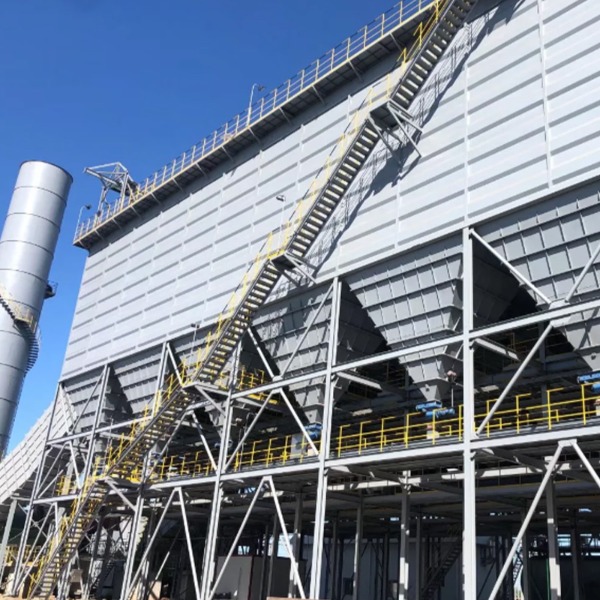
An effective dust suppression system is only as good as its design and implementation. TIANKANG offers robust and customizable dust control solutions tailored to meet the specific needs of various industries. With expertise in environmental engineering and pollution control technologies, TIANKANG ensures that its systems are efficient, cost-effective, and compliant with all relevant environmental regulations.
TIANKANG’s dust control systems are used across various industries, including steel processing, metallurgy, sand production, non-ferrous metals metallurgy, and foundries. With a focus on sustainable and innovative solutions, TIANKANG’s systems help improve air quality, reduce health risks, and ensure compliance with industry standards.
The company’s comprehensive approach includes system design, installation, operation, and ongoing maintenance, ensuring long-term performance and reliability.
TIANKANG Dust Control System
TIANKANG’s dust control systems are designed to meet the specific demands of different industries. Below is a table that outlines some of the key features of TIANKANG’s dust control solutions:
| Feature | Description |
|---|---|
| Customization | Tailored to meet the specific needs of the industry |
| Efficiency | High-efficiency filtration and dust suppression |
| Compliance | Meets environmental regulations and industry standards |
| Durability | Designed for long-term, reliable performance |
| Ease of Maintenance | Easy-to-maintain systems to ensure continuous operation |
| Sustainability | Environmentally friendly and energy-efficient solutions |
FAQ
1. What industries benefit the most from dust suppression systems?
Industries like steel processing, metallurgy, sand plants, foundries, and non-ferrous metals metallurgy see significant benefits from dust suppression systems, as these environments generate high levels of dust.
2. How does dust suppression improve worker health?
By reducing airborne dust, suppression systems help minimize exposure to harmful particulates, preventing respiratory issues and improving overall worker health and safety.
3. What are the most effective dust suppression methods?
Water spraying, air filtration systems, vacuum systems, and electrostatic precipitators are among the most effective methods, depending on the type and scale of dust generated.
4. How do dust control systems contribute to environmental protection?
Dust control systems reduce the dispersion of harmful particulates into the atmosphere, contributing to cleaner air and a safer environment for surrounding communities.
5. How often should dust control systems be maintained?
Regular maintenance is essential to ensure the system’s effectiveness. It is recommended that systems be inspected and cleaned periodically, with maintenance schedules based on the intensity of use and the type of dust being controlled.
By employing a comprehensive dust suppression system, industries can mitigate health risks, improve air quality, and ensure compliance with environmental standards, all while enhancing operational efficiency.