English
 Français
 عربى
عربى 简体中文
简体中文


How Can Dust Collectors Improve Workplace Safety and Air Quality?
How Can Dust Collectors Improve Workplace Safety and Air Quality?
 By Admin
Content
In industrial environments, maintaining air quality and ensuring worker safety are paramount. One of the most effective ways to achieve this is through the use of dust collectors. These systems not only contribute to cleaner air but also improve the longevity of equipment and safeguard worker health.
Introduction
In the modern industrial world, the quality of air is not just a concern for the environment but also for the health of workers. Dust and particulate matter can cause respiratory problems, reduce visibility, and even pose fire and explosion risks in certain industries. Dust collectors are an essential tool for removing harmful airborne particles from the air, maintaining a clean and safe working environment, and increasing the overall efficiency of industrial processes.
What is a Dust Collector?
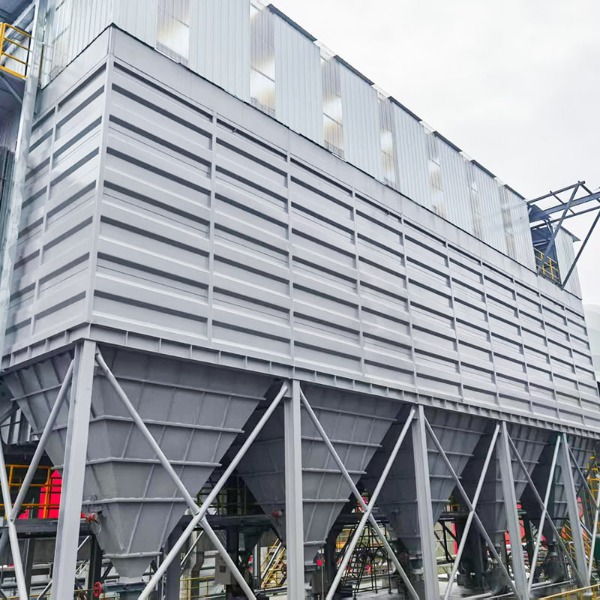
A dust collector is a system used to improve air quality by removing dust, particulates, and other pollutants from industrial air streams. These systems work by capturing dust and particulates from the air, filtering them, and then either removing or containing them to prevent contamination. The key function of a dust collector is to minimize airborne contaminants, ensuring cleaner air and safer working conditions.
Key Functions:
- Capturing: The dust collector captures airborne dust using filters, bags, or other filtration methods.
- Filtering: The dust-laden air is passed through filtration media to separate and capture particles.
- Removing: Once filtered, the collected dust is either discarded or repurposed.
Benefits of Using a Dust Collector
Improved Air Quality
Dust collectors help trap fine dust particles that can be harmful to human health. By removing pollutants from the air, these systems reduce respiratory issues and ensure a safer work environment.
Compliance with Safety Standards
Many industries face stringent environmental regulations regarding air quality. Using a dust collector helps meet these legal standards and ensures that companies remain compliant with health and safety regulations.
Increased Equipment Lifespan
Dust and particulates can wear down machinery and equipment over time. A dust collector helps protect industrial equipment by preventing dust buildup, which can reduce maintenance costs and extend the lifespan of machinery.
Enhanced Productivity
A cleaner workplace leads to improved employee morale and productivity. By reducing dust, companies can ensure that workers are more focused, less prone to illnesses, and working in a safer environment.
Fire and Explosion Prevention
In industries that deal with combustible dust, such as metalworking or woodworking, dust collectors are crucial in preventing the risk of explosions. By containing and removing dust before it can accumulate, the risk of a catastrophic incident is significantly reduced.
About Tiankang
Anhui Tiankang Environmental Technology Co., Ltd. is a high-tech enterprise dedicated to environmental protection and governance. The company specializes in providing solutions for dust removal systems, flue gas desulfurization and denitrification systems, and VOC treatment systems, as well as offering a wide range of engineering turnkey projects for various industries. Tiankang’s products are known for their high efficiency, durability, and advanced filtration technology.
Tiankang’s wide range of dust collection systems is tailored to meet the unique needs of various industries, ensuring compliance with environmental regulations and enhancing operational efficiency.
Key Industries Using Dust Collectors:
- Woodworking and Carpentry: To capture fine dust created during cutting and sanding operations.
- Metalworking and Welding Shops: For the removal of metal particles and fumes that are hazardous to workers.
- Pharmaceutical and Food Processing: To ensure clean air for sensitive manufacturing environments.
- Cement and Chemical Manufacturing: To reduce dust emissions that can be harmful to both the environment and workers.
Types of Dust Collectors
The market offers a variety of dust collector systems, each designed to handle specific types of dust and industrial processes. Below are some of the most common types of dust collectors:
Cartridge Dust Collectors
These are compact and highly efficient systems designed for fine dust filtration. Cartridge dust collectors typically use pleated filter cartridges that trap even the smallest dust particles. They are suitable for environments where space is limited but high filtration efficiency is required.
Baghouse Dust Collectors
Ideal for large-scale applications, baghouse dust collectors use fabric filter bags to capture dust. These systems are highly effective in industries with high dust volumes, such as cement, steel manufacturing, and glass production.
Cyclone Dust Collectors
Cyclone dust collectors use centrifugal force to separate heavier dust particles from the air. These are particularly suitable for industries dealing with larger dust particles like sawdust and wood shavings.
Wet Scrubber Dust Collectors
These systems use a liquid (usually water) to trap hazardous dust particles. Wet scrubbers are particularly effective in industries dealing with highly toxic or combustible dust, as they can prevent dust from becoming airborne.
How to Select the Right Dust Collector: Expert Tips
Choosing the right dust collector for your business requires careful consideration of several factors. Here are some expert tips to help you make the best decision:
Identify Your Dust Type
Consider the type of dust your business generates. Fine dust, such as that produced in pharmaceutical manufacturing, requires highly efficient filtration, such as HEPA filters. Heavier dust, like sawdust or metal shavings, may require a cyclone or baghouse system.
Consider Airflow Requirements
The size and airflow requirements of your workspace will dictate the type of dust collector you need. Ensure that the system’s CFM (Cubic Feet per Minute) matches the volume of air you need to filter.
Evaluate Filtration Efficiency
High-efficiency filtration is essential for industries where worker health is a concern. Look for dust collectors that offer HEPA or MERV-rated filters, especially in environments where hazardous dust is present.
Look for Energy Efficiency
Energy-efficient systems can significantly reduce operating costs over time. Look for dust collectors that feature low energy consumption without sacrificing performance.
Consider Space Availability
If you have limited space, consider more compact dust collectors or portable models. These systems can still provide effective dust removal without taking up too much room in your facility.
Check Maintenance Requirements
Dust collectors require regular maintenance to remain efficient. Choose a model that offers easy filter replacement and low-maintenance operation to reduce downtime.
Conclusion
Dust collectors are an essential part of maintaining a clean and safe industrial environment. Whether you’re dealing with fine particulate matter or heavier dust, selecting the right dust collector system is crucial for worker safety, equipment longevity, and compliance with regulatory standards. By understanding the different types of dust collectors available and evaluating your specific needs, you can make an informed decision that will enhance the efficiency and safety of your industrial operations.
FAQ
1. What is the difference between a wet dust collector and a dry dust collector?
Wet dust collectors use water or another liquid to trap dust particles, while dry dust collectors use filters to capture dust without the use of liquids.
2. How often do I need to replace the filters in a dust collector?
The frequency of filter replacement depends on the amount of dust collected and the type of dust being filtered. Generally, filters should be checked regularly and replaced when they show signs of clogging or reduced efficiency.
3. Can a dust collector prevent fire and explosion hazards?
Yes, dust collectors are essential in preventing fire and explosion hazards in industries dealing with combustible dust by capturing and containing dust particles before they can ignite.
4. What industries benefit most from using a dust collector?
Industries such as woodworking, metalworking, pharmaceuticals, food processing, and cement manufacturing all benefit from using dust collectors to maintain air quality and improve workplace safety.
5. How do I know which dust collector is best for my business?
To select the best dust collector, consider the type of dust produced, your airflow requirements, and the space available. Consult with experts to find a model that meets your specific needs.