English
 Français
 عربى
عربى 简体中文
简体中文


Upgrading Your Electrostatic Precipitator: What You Need to Know
Upgrading Your Electrostatic Precipitator: What You Need to Know
 By Admin
Content
- 1 Introduction to Electrostatic Precipitators
- 2 Why Upgrading Your ESP Is Essential
- 3 Key Considerations When Upgrading Your ESP
- 4 How ESPs Work and What Needs to Be Upgraded
- 5 Benefits of Upgrading Your Electrostatic Precipitator
- 6 How to Choose the Right Upgrade for Your ESP
- 7 Common Upgrades for Electrostatic Precipitators
- 8 FAQ
- 9 Conclusion
Electrostatic precipitators (ESPs) are essential pieces of equipment in industries where air pollution control is a priority. They effectively remove fine dust and particulate matter from gas streams, helping industries meet environmental regulations and maintain air quality standards.
Introduction to Electrostatic Precipitators
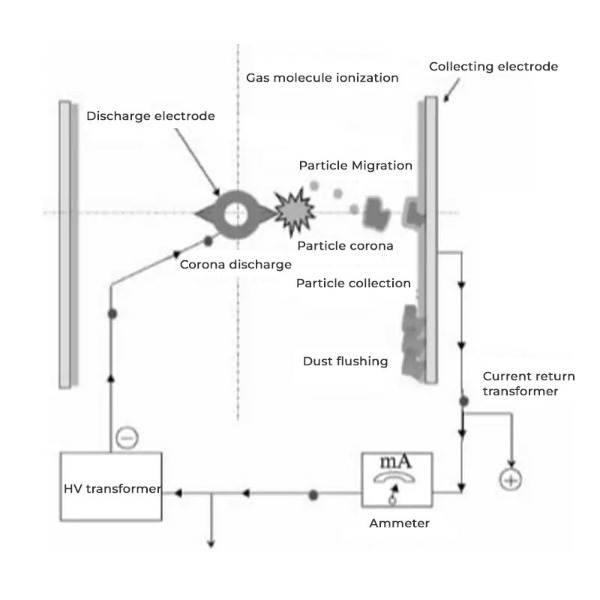
An industrial electrostatic precipitator (ESP) is a widely used air pollution control device that removes dust particles from exhaust gases by applying an electrical charge to them. These particles are then attracted to oppositely charged plates or electrodes, where they are collected, preventing harmful particles from entering the atmosphere. Electrostatic precipitators are especially valuable in industries like power plants, steel production, and cement manufacturing, where dust control is crucial for both regulatory compliance and operational efficiency.
Why Upgrading Your ESP Is Essential
Upgrading your electrostatic precipitator is critical for maintaining optimal performance and adapting to changing regulatory requirements. Over time, wear and tear, system inefficiencies, and advancements in technology may reduce the effectiveness of your ESP. Modern upgrades can improve:
- Collection efficiency: Increasing the ability to capture more fine particles.
- Energy consumption: Reducing power usage and operating costs.
- Durability: Enhancing system longevity with newer, more reliable components.
- Compliance: Meeting stricter environmental regulations.
An upgraded ESP ensures that you are getting the best performance, which ultimately saves on maintenance costs and boosts productivity.
Key Considerations When Upgrading Your ESP
When considering an upgrade to your electrostatic precipitator, several factors should be assessed to ensure that the improvements align with your specific operational needs.
Dust Characteristics and Processing Conditions
The type of dust being processed plays a significant role in how well an ESP performs. Different dust types have varying resistivity, which can affect the charging and collection process. For example, dust with resistivity in the range of 104≤ρ≤5×10¹⁰Ω·cm is ideal for ESPs. It’s important to ensure that your ESP design accounts for the resistivity of dust in the gas stream. A key consideration is ensuring that the electrostatic precipitator is capable of handling the dust concentrations effectively.
Gas Flow and Treatment Capacity
The gas volume processed by the ESP is another critical factor. A typical industrial electrostatic precipitator may handle air volumes ranging from 100,000 to 1 million m³/h. When upgrading, it’s vital to ensure that the system’s flow rate and treatment capacity can accommodate your operational needs without compromising performance. High-efficiency designs allow for greater gas volume treatment while maintaining low resistance and power consumption.
Temperature and Durability
ESP systems are often exposed to high temperatures. Standard ESPs can typically withstand gas temperatures up to 350°C. When upgrading, ensure that the components can handle the operational temperature and harsh conditions within your facility.
How ESPs Work and What Needs to Be Upgraded
At the core of an electrostatic precipitator is the process of charging dust particles using a cathode tip discharge. Once charged, dust particles are drawn toward the anode plates and collected. However, several factors can impact the overall performance of this process, including:
- Electrode wear: Over time, electrodes can degrade, reducing the efficiency of dust collection. Upgrading to more durable materials can help extend the lifespan of your ESP.
- Field configuration: A multi-electric field series combination, such as a six-field design, can significantly improve collection efficiency. Upgrading to such configurations ensures that more dust is captured from the gas stream.
- Cleaning mechanisms: ESPs typically use vibration mechanisms on electrodes to remove collected dust. Advanced cleaning mechanisms can increase cleaning efficiency and reduce downtime during maintenance.
Benefits of Upgrading Your Electrostatic Precipitator
Upgrading your ESP system offers several key benefits, including:
- Improved Dust Collection Efficiency: Newer ESP designs feature more powerful electrical fields and improved electrode configurations that enhance the collection of fine dust particles.
- Lower Operating Costs: With better efficiency and reduced energy consumption, modern ESPs help lower operational costs over time.
- Better Environmental Compliance: Upgrading ensures your system meets current air quality standards, reducing the risk of fines and improving overall environmental performance.
- Increased Reliability and Reduced Downtime: Newer components and cleaning mechanisms minimize the frequency of maintenance and extend the lifespan of the system.
How to Choose the Right Upgrade for Your ESP
Upgrading an electrostatic precipitator requires a thoughtful approach, considering your plant’s unique requirements. Here are some key factors to keep in mind:
| Factor | Considerations |
|---|---|
| Electrode Materials | Select materials that offer higher durability and resistance to wear. This will increase the lifespan and reduce maintenance frequency. |
| Electric Field Design | Opt for a multi-field or high-performance field configuration to boost dust collection efficiency and handling capacity. |
| Cleaning Systems | Upgrade to automated or more efficient cleaning systems to reduce manual labor and enhance operational uptime. |
| Power Consumption | Choose an upgrade that minimizes energy usage without sacrificing performance. This can help reduce operating costs in the long term. |
By analyzing these factors and selecting the right upgrade for your ESP, you ensure better performance and cost efficiency over time.
Common Upgrades for Electrostatic Precipitators
There are several common upgrades available for ESP systems, including:
High-Efficiency Electrodes: Upgrading to high-quality electrodes ensures better dust collection and longer service life.
Enhanced Power Supplies: New power supply systems provide more stable and controlled electrical fields, improving performance.
Advanced Dust Collection: Adding additional dust collection fields or electrostatic precipitator filters can enhance the overall dust removal rate.
Automated Maintenance Systems: Modern automated cleaning and maintenance systems reduce downtime and labor costs.
FAQ
Q1: What is the expected lifespan of an upgraded electrostatic precipitator?
An upgraded ESP can last longer than traditional models, with enhanced components increasing longevity and reducing maintenance needs.
Q2: Can an ESP handle high-temperature gases?
Yes, but it’s crucial to select a model designed to handle temperatures up to 350°C for optimal performance.
Q3: How do I know if my ESP needs an upgrade?
If your ESP is experiencing frequent maintenance, lower efficiency, or is unable to meet current regulatory standards, an upgrade may be necessary.
Q4: Will upgrading my ESP improve energy efficiency?
Yes, modern ESP upgrades often feature designs that reduce energy consumption while maintaining or improving dust collection efficiency.
Q5: Is it possible to upgrade the cleaning mechanism in my ESP?
Yes, automated cleaning systems or advanced vibration mechanisms can be integrated to improve cleaning efficiency and reduce maintenance downtime.
Conclusion
Upgrading your industrial electrostatic precipitator is a wise investment that can improve air quality, reduce operating costs, and ensure compliance with environmental regulations. By considering the key factors such as dust characteristics, gas flow, and available upgrades, you can significantly enhance the performance and reliability of your ESP system.