English
 Français
 عربى
عربى 简体中文
简体中文


A Comprehensive Overview of WESP Wet Electrostatic Precipitator Filters for Waste Gas Treatment
HOME / NEWS / Industry News / A Comprehensive Overview of WESP Wet Electrostatic Precipitator Filters for Waste Gas Treatment
 By Admin
Content
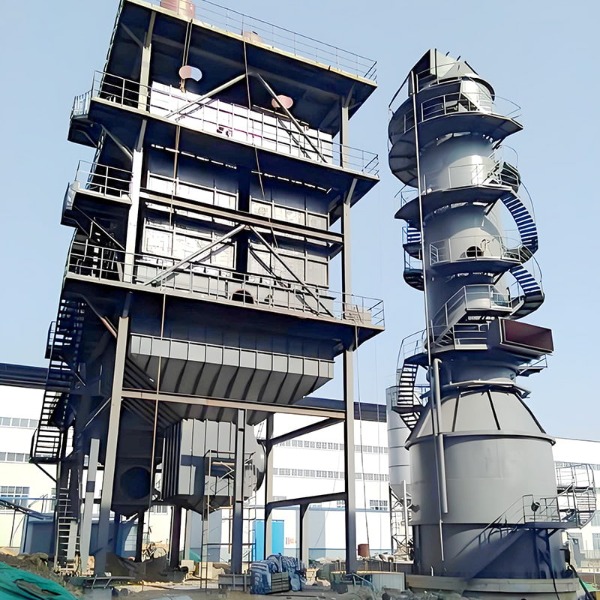
A WESP Wet Electrostatic Precipitator Filter is an advanced air filtration system designed to efficiently remove pollutants from industrial waste gases. It works by applying electrostatic forces to charge particles in the gas stream, causing them to be attracted to collection electrodes, where they are trapped. Unlike traditional dry ESP systems, WESP systems incorporate a wet medium, typically water, which enhances particle removal efficiency, especially for sticky, oily, or fine particulates.
WESP filters are commonly used in various industrial applications such as steel plants, power plants, and cement plants, where they are essential for controlling harmful emissions and ensuring compliance with environmental regulations.
The working principle behind a WET electrostatic precipitator is based on electrostatic attraction. In a WESP system, gas particles are ionized as they pass through a high-voltage electrostatic field. The charged particles are then attracted to the collection electrodes, which are typically covered with a thin layer of water. This water layer not only helps to trap the particles but also prevents the accumulation of oily or sticky residues on the collection surfaces.
The ionization of gas particles occurs through the corona discharge effect, where the intense electric field ionizes the air, causing air molecules to lose electrons and become charged ions. These ions attach themselves to particles in the gas stream, making them easier to collect on the electrostatic collection plates.
This WESP WET electrostatic precipitator filter is particularly suited for applications that require the removal of fine particles, oils, or fumes, including:
These industries benefit from the wet electrostatic precipitator’s ability to handle high volumes of gas while ensuring efficient particulate removal, contributing significantly to environmental protection.
The WESP Wet Electrostatic Precipitator excels in removing particulate matter from the gas streams in industrial settings. It is specifically designed for the subsequent wet treatment of gases that contain sticky, oily, or water-soluble pollutants. The wet treatment process in WESP systems is highly effective at collecting pollutants that are difficult to trap in dry ESP systems, such as:
This specialized treatment makes WESP an essential component in industries where air quality control is critical for both environmental compliance and worker safety.
One of the standout features of the WESP WET electrostatic precipitator filter is its self-cleaning function. As particulate matter accumulates on the collection electrodes, the system periodically activates a self-cleaning mechanism that dislodges the particles and ensures the continued efficiency of the filter. This is achieved through:
These features make WESP systems ideal for industries where ongoing particle collection is essential and where downtime for cleaning needs to be minimized.
The WESP WET electrostatic precipitator offers several benefits over traditional dry filtration systems, particularly in environments where handling oily, sticky, or fine particles is a challenge:
| Benefit | Explanation |
|---|---|
| Enhanced Removal Efficiency | The wet medium increases the ability to trap fine, sticky, and oily particles. |
| Reduced Maintenance | Self-cleaning functions reduce manual maintenance and downtime. |
| Environmental Compliance | Ensures compliance with stringent air quality regulations. |
| Cost-Effective | Minimizes the need for additional filtration equipment, lowering overall costs. |
These advantages make WESP systems indispensable for maintaining air quality in industries with high emissions or complex waste gases.
Q1: What is the primary difference between WESP and traditional dry electrostatic precipitators?
A1: The main difference is that WESP uses water or another liquid to trap particles, making it more effective at collecting sticky, oily, or fine particulates, while dry ESP systems are better suited for removing dry dust particles.
Q2: What types of industries benefit most from WESP systems?
A2: WESP systems are particularly beneficial in industries such as steel plants, power plants, cement plants, and chemical manufacturing, where there are high volumes of sticky or fine particulates in exhaust gases.
Q3: How does the self-cleaning function in WESP systems work?
A3: The WESP uses mechanical rapping and water washing to remove accumulated dust and oily residues from the collection plates, ensuring optimal filtration performance with minimal downtime.
Q4: Can WESP systems handle large volumes of gas?
A4: Yes, WESP systems are designed to handle large volumes of waste gas efficiently, making them suitable for high-emission industries that require continuous filtration.
Q5: Are WESP systems more energy-efficient than other air filtration methods?
A5: WESP systems are energy-efficient due to their ability to collect fine particles without the need for high-temperature processes, reducing energy consumption compared to other filtration methods.