English
 Français
 عربى
عربى 简体中文
简体中文


Why is Your Dust Control System Underperforming? Here’s What You Can Do
HOME / NEWS / Industry News / Why is Your Dust Control System Underperforming? Here’s What You Can Do
 By Admin
Content
A dust control system is essential for maintaining air quality and ensuring the safety of workers in industries such as steel manufacturing, power generation, cement production, and chemical processing. These systems prevent harmful dust particles from contaminating the air, reducing the risk of respiratory issues and maintaining regulatory compliance. However, many industries face challenges with underperforming dust control systems, leading to inefficiency, increased operational costs, and potential safety hazards.
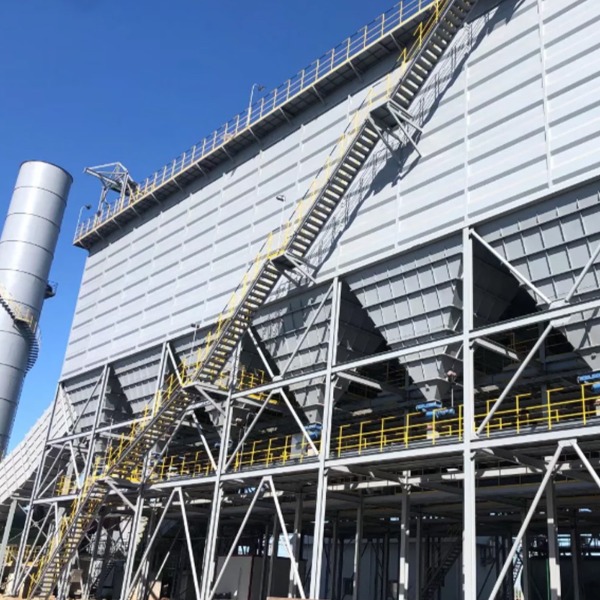
A dust control system is designed to capture and remove dust particles from industrial environments before they can escape into the atmosphere. It typically includes dust filters, exhaust gas purification devices, and specialized equipment tailored to handle the specific type of dust produced in a given process. Dust filters, which are integral to these systems, trap and collect airborne particles, while exhaust gas purification processes remove harmful gases.
These systems are vital in industries that generate high levels of dust or exhaust gases, such as steel plants, power stations, cement factories, and chemical plants. Properly functioning dust control systems not only protect the environment but also safeguard the health and well-being of employees.
While dust control systems are generally effective, there are several reasons why they might not perform at their optimal capacity. Below are the primary factors that contribute to inefficiency:
Improper Design or Sizing
Dust control systems are often custom-designed to meet the specific needs of an industrial facility. However, a poorly designed system that doesn’t account for the volume or type of dust can lead to inefficiency. If the system is too small or inadequate for the scale of the operation, it won’t effectively capture all dust particles.
Clogging of Dust Filters
Dust filters play a key role in capturing particulate matter. Over time, these filters can become clogged, reducing airflow and diminishing their ability to capture dust particles. Clogged filters can also cause a system to work harder, consuming more energy and reducing its lifespan.
Lack of Regular Maintenance
Regular maintenance is crucial to keeping dust control systems running smoothly. Neglecting maintenance tasks, such as cleaning filters or checking airflow, can lead to poor performance. It can also result in unforeseen breakdowns, causing costly downtimes.
Incorrect Placement of Equipment
The placement of dust control equipment is vital for optimal dust capture. If exhaust vents or dust collectors are placed in areas where airflow is compromised or dust is not adequately directed toward them, the system will not capture dust as effectively.
Incompatible Dust Collection Methods
Different types of dust require different methods of control. Using a system designed for one type of dust to capture another can lead to poor performance. For example, fine particulate dust requires a finer filtration system compared to larger dust particles. Misalignment between the system’s capabilities and the dust type can cause underperformance.
Addressing the issues that lead to underperformance requires a systematic approach. Below are several actionable steps that can help improve the efficiency of your dust control system:
One of the most critical factors in the performance of your dust control system is ensuring that it is appropriately designed for your facility’s specific requirements. This includes considering factors such as the volume of dust produced, the type of dust, airflow rates, and the size of the building. Work with professionals who can assess your needs and design a system that fits your operation.
Implementing a routine maintenance schedule for your dust control system will keep it functioning at peak performance. Regular cleaning of filters, inspection of airflow systems, and ensuring all components are working as expected will prevent performance degradation. Additionally, installing monitoring systems that can detect issues like clogging or airflow reduction will help catch problems before they escalate.
If your dust filters are consistently clogging, it may be time to upgrade to a more efficient filter. Depending on the type of dust in your facility, you might need filters with a higher filtration capacity or different filtering materials. For instance, electrostatic precipitators can handle fine particles more effectively than conventional bag filters.
Reevaluate the placement of dust collection equipment to ensure that it is positioned optimally. This includes ensuring that exhaust vents and dust collection systems are located in areas where dust is concentrated and airflow is sufficient to direct dust into the system. Optimizing equipment placement can significantly increase the system’s dust capture efficiency.
Different industrial processes generate different types of dust, and not all dust is the same. For example, chemical dust may require a different collection method compared to dust from a cement plant. Make sure that your dust control system is tailored to handle the specific type of dust you produce. Upgrading or changing the system’s filtration method can improve efficiency.
A properly functioning dust control system offers several benefits to industries that rely on them. These include:
Q1: What is the role of dust filters in a dust control system?
Dust filters are used to capture particulate matter from the air. They are essential components that prevent harmful dust from being released into the atmosphere and ensure air quality within the facility.
Q2: How often should I maintain my dust control system?
Regular maintenance should be performed on a schedule based on the level of dust generated in your facility. At a minimum, the system should be inspected and cleaned quarterly, with more frequent maintenance if necessary.
Q3: Can dust control systems be customized for different industries?
Yes, dust control systems can be designed and tailored to meet the specific needs of different industries. The type of dust and the scale of production will determine the necessary filtration and exhaust purification systems.
Q4: What are the signs that my dust control system is underperforming?
Signs of underperformance include increased dust levels in the facility, frequent filter clogging, a reduction in airflow, and higher energy consumption. Monitoring systems can help detect these issues early.
Q5: Can upgrading my dust filter improve system performance?
Yes, upgrading to more efficient filters can improve the dust control system’s ability to capture particles, reduce clogging, and extend the system’s lifespan. Be sure to choose filters that match the type of dust in your facility.
Improving the performance of your dust control system requires a combination of the right design, regular maintenance, and the use of appropriate dust filtration methods. By addressing common performance issues and making necessary upgrades, you can ensure that your dust control system operates efficiently, protects worker health, and meets environmental standards.