English
 Français
 عربى
عربى 简体中文
简体中文


How Fume Extraction Systems Improve Air Quality and Worker Safety?
How Fume Extraction Systems Improve Air Quality and Worker Safety?
 By Admin
Content
Introduction
In industrial settings, air quality and worker safety are paramount concerns. The presence of airborne contaminants such as dust, smoke, and fumes can have serious consequences for both the health of workers and the environment. Fume extraction systems play a critical role in managing these hazards by capturing and filtering harmful pollutants at the source. These systems are especially important in sectors like metal production, where processes such as blast furnace operations and welding generate large volumes of fumes and particulate matter.
The Importance of Air Quality in Industrial Environments
Industrial air quality can be significantly compromised by the release of fumes, dust, and other harmful emissions. These contaminants, if not properly managed, can lead to serious health issues for workers, including respiratory diseases, eye irritation, and long-term lung damage. Additionally, poor air quality can affect operational efficiency and compliance with environmental regulations.
By investing in advanced air pollution control systems such as fume extraction systems, industries can effectively mitigate these risks and maintain a safer, healthier work environment.
Types of Contaminants in Industrial Workplaces
- Particulate matter: Dust and soot that can be inhaled, affecting the lungs.
- Toxic fumes: Gases and vapors generated by welding, chemical processes, and furnace operations.
- Smoke: Generated from various manufacturing processes, including metalworking and combustion.
How Fume Extraction Systems Work
Fume extraction systems are designed to capture harmful airborne particles and gases at the source, preventing them from dispersing throughout the workplace. These systems generally consist of several key components:
- Hood: A fully enclosed hood that captures the emitted fumes.
- Suction Port: The internal suction port draws fumes into the system for filtration.
- Filtration Unit: Filters are used to trap harmful particles and gases before the air is released back into the environment.
- Exhaust System: Once filtered, the cleaned air is safely vented or recirculated.
These systems are particularly beneficial in industries like metal smelting, welding, and manufacturing, where heavy emissions are produced.
Fume Extraction System Components
| Component | Description |
|---|---|
| Capture Hood | Encloses the emission source and collects fumes effectively. |
| Suction Port | Draws fumes into the system for filtration. |
| Filtration Unit | Filters out harmful particles and gases from the air. |
| Exhaust System | Safely vents the cleaned air back into the environment. |
Specialized Capture Hoods in Blast Furnace Operations
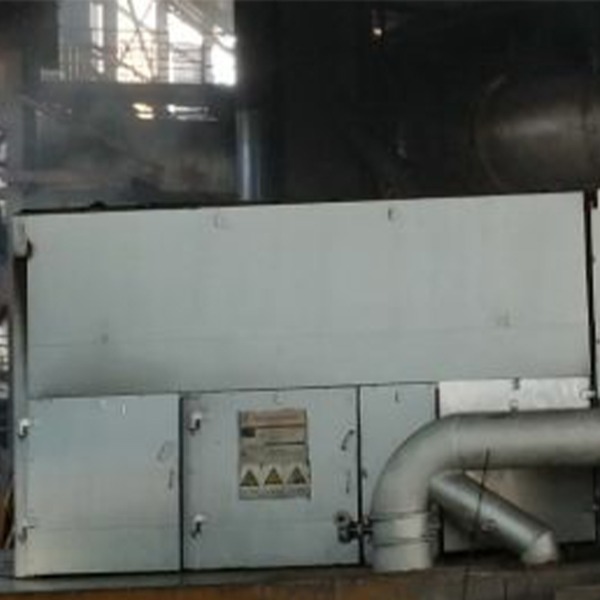
In industries such as steel production, blast furnaces generate immense amounts of smoke and fumes, particularly during the process of tapping iron from the furnace. The blast furnace taphole capture hood is a specialized fume extraction system that addresses the unique challenges posed by these operations.
This system is designed to capture up to 95% of the smoke generated during the opening and blocking of the blast furnace iron mouth. It is a fully enclosed hood that ensures smoke is contained within the system, preventing it from escaping into the environment and reducing exposure to harmful pollutants. Additionally, it allows for easy access to the furnace for maintenance, with a movable door at the top of the hood to facilitate inspection and repair activities.
Key Features of the Blast Furnace Taphole Capture Hood
- High Capture Rate: Captures 95% of the smoke generated during furnace tapping.
- Safety: Protects workers by preventing exposure to high-temperature smoke.
- Durability: Made from thermal insulation materials to withstand molten iron splashes and slag erosion.
- Maintenance-Friendly: Movable door for easy inspection and maintenance.
Benefits of Fume Extraction Systems
The adoption of fume extraction systems brings numerous advantages to both employers and workers. These systems not only improve air quality but also enhance workplace safety, operational efficiency, and compliance with environmental standards.
Improved Worker Safety
By capturing harmful fumes and dust at the source, fume extraction systems reduce the risks of respiratory diseases, eye irritation, and other health issues among workers. This is especially crucial in industries like welding, chemical manufacturing, and metal smelting, where workers are exposed to hazardous emissions.
Enhanced Air Quality
Fume extraction systems significantly improve air quality by preventing harmful pollutants from accumulating in the workplace. This helps to maintain a cleaner, healthier work environment, which is essential for long-term worker productivity and well-being.
Compliance with Environmental Regulations
Many industries are required to meet strict environmental regulations regarding air pollution. Fume extraction systems help companies stay compliant by controlling emissions and ensuring that the air quality within the workplace meets legal standards.
Increased Operational Efficiency
By reducing the need for workers to wear heavy personal protective equipment (PPE) or take breaks due to poor air quality, fume extraction systems can help maintain productivity and reduce operational downtime.
Types of Fume Extraction Systems
Fume extraction systems come in various forms, depending on the specific requirements of the industry and the type of contaminants being controlled. Some of the most common types include:
- Local Exhaust Ventilation (LEV): Captures fumes at the source through hoods, ducts, and filters.
- Wet Scrubber Systems: Use water or chemical solutions to absorb and neutralize fumes and gases.
- Centrifugal Fans: High-powered fans that draw in and move large volumes of air, expelling contaminants in the process.
Challenges in Fume Extraction
While fume extraction systems offer significant benefits, they also face certain challenges that need to be addressed for optimal performance. These challenges include:
- System Maintenance: Regular maintenance is required to ensure that the system functions effectively and remains free of clogs and damage.
- Energy Consumption: Fume extraction systems can consume a significant amount of energy, making it important to balance efficiency and power usage.
- Space Constraints: In some industrial settings, space may be limited, making it difficult to install large-scale extraction systems.
Conclusion
Fume extraction systems are essential for improving air quality and safeguarding worker health in industrial environments. By capturing harmful fumes and dust at the source, these systems prevent the dispersion of pollutants throughout the workplace, reducing the risk of respiratory diseases and other health issues. Specialized systems, such as blast furnace taphole capture hoods, offer targeted solutions for industries that generate large volumes of smoke and gases.
FAQ
Q1: What is a fume extraction system?
A fume extraction system is a ventilation solution designed to capture and filter harmful fumes, dust, and gases at the source to improve air quality and protect worker health.
Q2: How does the blast furnace taphole capture hood work?
The blast furnace taphole capture hood captures up to 95% of the smoke generated during the tapping process, preventing it from escaping into the workplace and protecting workers from exposure to harmful emissions.
Q3: Why is air pollution control important in industrial settings?
Air pollution control is vital to maintain a safe and healthy work environment, prevent respiratory issues, and comply with environmental regulations.
Q4: How can fume extraction systems help improve worker safety?
By capturing harmful pollutants at the source, fume extraction systems reduce worker exposure to hazardous fumes and dust, lowering the risk of respiratory diseases and other health issues.
Q5: What are the key components of a fume extraction system?
Key components include the capture hood, suction port, filtration unit, and exhaust system, all designed to capture, filter, and release clean air back into the environment.