English
 Français
 عربى
عربى 简体中文
简体中文


How Can You Prevent Downtime with Effective Wet Electrostatic Precipitator Maintenance?
HOME / NEWS / Industry News / How Can You Prevent Downtime with Effective Wet Electrostatic Precipitator Maintenance?
 By Admin
Content
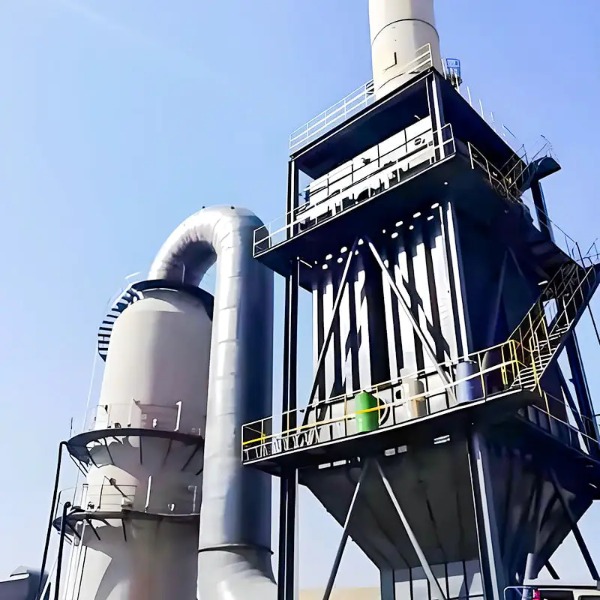
Wet Electrostatic Precipitators (WESPs) are a crucial component in industrial air filtration systems, particularly for capturing fine particulate matter in gases. These systems use electrostatic forces to charge particles, which then move to a collecting electrode where they are removed from the airstream. This method is highly effective for industries like power generation, chemical processing, and metal smelting, where particulate emissions need to be controlled to meet environmental regulations.
However, just like any mechanical system, WESPs require regular maintenance to ensure their optimal performance. Neglecting this maintenance can lead to reduced efficiency, increased operational costs, and potential system breakdowns. Broadly, WESP maintenance can be divided into two categories: minor maintenance checks and major overhauls. Understanding when and how to perform these tasks will help ensure long-term reliability and efficiency.
Regular maintenance checks are critical to keeping a WESP in peak operating condition. Minor maintenance tasks are typically performed during short shutdowns and include a combination of inspections, cleaning, and minor repairs.
The electrodes in a WESP are responsible for creating the electrostatic field that charges particles. Over time, dust can accumulate on both the discharge and collecting electrodes, affecting their efficiency.
Key Tasks:
WESPs are subject to corrosive elements in the exhaust gases, making regular inspection of the system’s components essential.
Key Tasks:
Several components play an essential role in the overall functioning of a WESP, and their condition directly impacts system performance.
Key Tasks:
The control systems of a WESP oversee its operation and make adjustments as needed. Ensuring these systems are in working order is essential for the overall efficiency of the device.
Key Tasks:
While minor maintenance ensures continued efficient operation, major overhauls are necessary when the system undergoes longer shutdowns. These tasks often involve deeper inspections and repairs to maintain optimal performance.
Over time, dust and other particulates can accumulate in various parts of the WESP, including the body, hoppers, and ducts. These need to be removed periodically to maintain the system’s efficiency.
Key Tasks:
WESPs operate under harsh conditions, and structural components can suffer wear and corrosion. Inspecting and replacing these parts during major overhauls ensures the longevity of the system.
Key Tasks:
Overhauling the power and control systems during major shutdowns is essential to prevent system malfunctions and extend the life of the WESP.
Key Tasks:
WESPs rely heavily on various pipes, valves, and accessories for the proper flow of liquids and gases.
Key Tasks:
Once the major repairs are complete, final checks are required to ensure that the system is in good working order and safe to operate.
Key Tasks:
A high-quality dust collection system is essential for the efficiency of any WESP. The WESP wet electrostatic precipitator filter is an integral part of the system, and the filter bags and bag cages must be regularly maintained for optimal performance.
Why It Matters:
In conclusion, WESP wet electrostatic precipitator maintenance is essential for keeping the system running efficiently and effectively. Regular minor maintenance checks during short shutdowns can help prevent major overhauls and reduce overall costs. However, major overhauls during long shutdowns are equally critical to ensure the longevity and efficiency of the system.
A proactive maintenance schedule, including the regular inspection and replacement of key components like the electrodes, valves, and filters, will go a long way in preventing unexpected breakdowns. By keeping a focus on both minor and major maintenance tasks, industries can enjoy the benefits of cleaner air, lower operating costs, and longer equipment lifespans. And if you ever need upgrades for your dust collector components—like those trusty filter bags—Tiankang’re here to help!
1. What is the purpose of a wet electrostatic precipitator?
2. How often should minor maintenance checks be performed on a WESP?
3. What components are most commonly replaced during a WESP overhaul?
4. How can I ensure the longevity of my WESP system?
5. What role do filter bags and bag cages play in the WESP system?