English
 Français
 عربى
عربى 简体中文
简体中文


How Does Dust Control Technology Reduce Environmental Impact in Metal Production?
HOME / NEWS / Industry News / How Does Dust Control Technology Reduce Environmental Impact in Metal Production?
 By Admin
Content
Dust control systems are essential for managing air quality, protecting workers, and ensuring compliance with environmental regulations in industries like metal smelting. Metal smelting involves high-temperature processes that generate a significant amount of dust, which can harm both the environment and the health of workers. Effective dust control systems reduce dust emissions, improve air quality, and contribute to a safer working environment.
Copper smelting is a high-temperature process that produces substantial quantities of dust. This dust is primarily composed of particulate matter such as copper oxides, sulfur compounds, and other metals. These particles, if not controlled, can harm both the environment and human health. A well-designed dust control system is crucial for minimizing the release of these pollutants into the air.
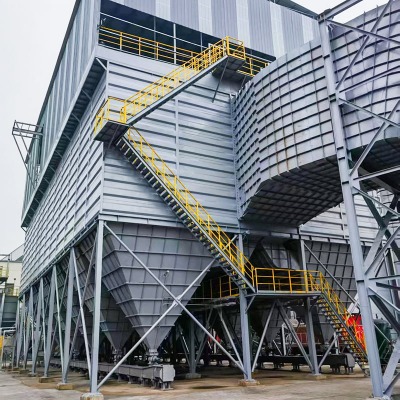
Copper smelteries must address specific challenges, such as the high temperatures and chemical composition of the dust. By utilizing advanced filtration technologies such as baghouses and electrostatic precipitators, smelteries can capture these harmful particles effectively, reducing their impact.
Key Dust Characteristics in Copper Smelting
| Dust Type | Composition | Potential Risks | Dust Control Technology |
|---|---|---|---|
| Copper Oxides | CuO, Cu2O | Air pollution, health issues | Baghouses, Electrostatic Precipitators |
| Sulfur Compounds | SO2, SO3 | Environmental damage | Wet Scrubbers, Scrubber Systems |
Zinc smelting also generates fine particulate matter, including zinc oxide, sulfur dioxide, and other metal particulates. Zinc oxide dust is a particular concern as it can cause respiratory issues for workers and contribute to acid rain. To mitigate these risks, zinc smelteries rely on high-efficiency dust control systems to capture these particles before they are released into the atmosphere.
A variety of filtration methods, including dry filtration systems and wet scrubbing systems, are used in zinc smelteries to ensure that dust emissions remain within regulated limits. These technologies are highly effective in capturing fine dust particles and preventing them from affecting the environment.
Key Dust Characteristics in Zinc Smelting
| Dust Type | Composition | Potential Risks | Dust Control Technology |
|---|---|---|---|
| Zinc Oxide | ZnO | Respiratory issues | Dry Filtration, Wet Scrubbers |
| Sulfur Dioxide | SO2 | Acid rain, health risks | Electrostatic Precipitators |
Aluminum smelting involves the extraction of aluminum from its ore using high temperatures. The process generates fine dust particles, including aluminum oxide and fluoride compounds, which are harmful to both human health and the environment. To prevent these particles from spreading, aluminum smelteries employ dust control systems that capture and filter airborne particles efficiently.
Technologies like bag filters and scrubbers are particularly useful in aluminum smelting, as they help in removing particulate matter from the exhaust gases, reducing the emission of harmful pollutants. These systems not only enhance the air quality but also ensure compliance with stringent environmental regulations.
Key Dust Characteristics in Aluminum Smelting
| Dust Type | Composition | Potential Risks | Dust Control Technology |
|---|---|---|---|
| Aluminum Oxide | Al2O3 | Respiratory hazards | Bag Filters, Scrubbers |
| Fluoride Compounds | AlF3, HF | Environmental damage | Electrostatic Precipitators |
Lead smelting is a highly specialized process that produces lead from ores. During this process, lead oxide and other lead compounds are generated as dust, which can be extremely toxic to humans and animals. Lead smelteries must implement effective dust control systems to prevent these harmful particles from contaminating the air and surrounding environment.
Dust control technologies such as dry filtration, baghouses, and wet scrubbers are commonly used in lead smelting to capture and neutralize harmful lead particles. These systems are essential for protecting workers’ health and preventing environmental contamination.
Key Dust Characteristics in Lead Smelting
| Dust Type | Composition | Potential Risks | Dust Control Technology |
|---|---|---|---|
| Lead Oxide | PbO, Pb3O4 | Toxicity, lead poisoning | Baghouses, Wet Scrubbers |
| Other Lead Compounds | PbS, PbSO4 | Environmental contamination | Dry Filtration Systems |
Dust control systems have evolved significantly over the years. Initially, basic mechanical filters and cyclones were used, but as environmental regulations tightened, more sophisticated systems such as electrostatic precipitators and fabric filter baghouses emerged. These systems offer higher filtration efficiency, ensuring that even the smallest particles are captured.
A dust control system typically consists of several key components:
Effective maintenance and monitoring are crucial for the optimal performance of dust control systems. Routine inspections, filter replacements, and real-time monitoring ensure that the systems continue to perform efficiently and meet regulatory standards.
Dust control systems play a pivotal role in minimizing air pollution. By capturing harmful dust particles before they are released into the atmosphere, these systems help smelteries comply with environmental regulations and reduce the overall environmental impact of smelting processes.
Exposure to dust in smelting facilities can lead to serious health issues, including respiratory diseases and long-term complications. Dust control systems protect workers by removing harmful particles from the air, creating a safer work environment.
The implementation of dust control systems leads to significant economic benefits, including reduced healthcare costs, improved employee productivity, and enhanced operational efficiency. By preventing equipment wear caused by dust buildup, these systems also contribute to longer equipment lifespans.
1. What is a dust control system and how does it work?
A dust control system captures and filters particulate matter produced during industrial processes. It uses equipment like baghouses and electrostatic precipitators to remove dust from exhaust gases before they are released into the atmosphere.
2. Why is dust control important in metal smelting?
Dust control is crucial to minimize harmful air pollutants, protect worker health, and comply with environmental regulations.
3. What are the key dust types in metal smelting?
Dust types include metal oxides (e.g., copper oxide, zinc oxide), sulfur compounds, and fluoride compounds, each with specific health and environmental risks.
4. How do dust control systems benefit the environment and workers?
These systems prevent harmful dust emissions, improving air quality and reducing health risks for workers, while ensuring compliance with environmental laws.