English
 Français
 عربى
عربى 简体中文
简体中文


What Are the Environmental Benefits of Using Dust Collectors in Smelting Plants?
HOME / NEWS / Industry News / What Are the Environmental Benefits of Using Dust Collectors in Smelting Plants?
 By Admin
Content
Dust collectors play a pivotal role in the smelting industry, helping to mitigate air pollution, protect worker health, and comply with environmental regulations. In industries such as iron, copper, aluminum, zinc, and lead smelting, dust collection systems are crucial to ensuring both operational efficiency and environmental safety.
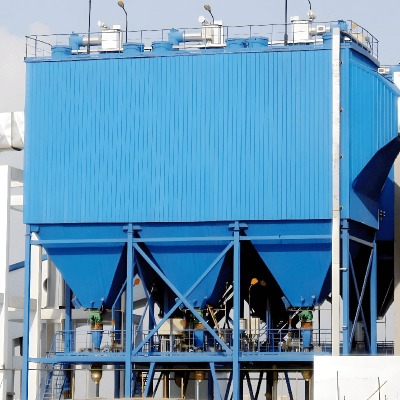
Dust collectors are machines designed to remove particulate matter (dust, smoke, and fumes) from industrial exhaust systems, ensuring clean air and minimizing environmental pollution. These systems operate by drawing air through filters that capture harmful particles before releasing purified air back into the environment.
There are various types of dust collectors, including baghouse filters, electrostatic precipitators, and cyclone dust collectors. Each type has its own specific advantages depending on the dust particle size, temperature, and other factors. The key components of a dust collector include:
Iron smelting operations produce large volumes of dust, primarily from rust and molten metal particles. The dust is typically high in temperature, requiring dust collectors that can withstand extreme conditions. Iron smelting also produces a significant amount of fumes from the high-temperature furnace, making an efficient dust collection system crucial for preventing health hazards and environmental contamination.
Dust collectors for iron smelting must have high-temperature-resistant filters and durable structural components to withstand the harsh conditions. A reliable dust collection system can significantly reduce airborne particulate matter, improve indoor air quality, and ensure compliance with safety standards.
Copper smelting produces a range of hazardous dust and fumes, including those from sulfur dioxide (SO2) and other toxic gases. These substances not only pose serious risks to workers but can also harm the environment. Therefore, copper smelting dust collectors must handle both particulate dust and gaseous pollutants effectively.
A combination of high-efficiency filters and acid-resistant components is required to handle the specific conditions of copper smelting. Advanced filtration systems such as electrostatic precipitators can be particularly effective for removing fine particles, while ensuring that the system operates without excessive energy consumption.
Aluminum smelting generates aluminum oxide dust (bauxite dust) and various other fine particulate matter during the reduction process. This dust is often accompanied by heat and potentially hazardous gases. To mitigate these risks, aluminum smelting plants require robust dust collection systems that not only capture particulate matter but also deal with high temperatures and potential chemical contaminants.
Dust collectors used in aluminum smelting must be designed to handle both dry and wet dust types and should include advanced filtering techniques that prevent clogging and maintain airflow efficiency. The system should also ensure that the captured dust is safely disposed of to prevent contamination.
Zinc smelting processes are typically associated with the release of fine metal fumes, often including zinc oxide (ZnO) dust and other harmful particles. These processes also produce significant amounts of gases that need to be managed to prevent environmental damage. Zinc smelting dust collectors must handle both fine particulate matter and vapors at high temperatures.
For these applications, durable and corrosion-resistant dust collection systems are needed. The filtering material must be capable of withstanding acidic and corrosive substances that may be present in the gas stream, such as sulfur dioxide or hydrochloric acid.
Lead smelting produces lead oxide dust, which is not only hazardous to human health but also highly toxic to the environment. Dust collection systems for lead smelting must effectively capture fine lead particles and prevent them from being released into the atmosphere. Special care must be taken to ensure that these systems are tightly sealed and leak-free to prevent the spread of lead dust.
Due to the toxicity of lead dust, lead smelting plants need dust collection systems that use high-efficiency particulate air (HEPA) filters to ensure that even the smallest particles are trapped. Additionally, proper maintenance is crucial to prevent dust buildup and maintain system performance.
Selecting the right dust collector for a smelting plant depends on a variety of factors, including the specific type of dust generated, the volume of dust, environmental conditions, and regulatory requirements. To optimize dust collection systems, smelting plants should consider the following:
The dust collection industry has seen significant advancements in recent years. Modern systems incorporate smart technologies such as remote monitoring, predictive maintenance, and real-time data analytics. These innovations help smelting plants improve system performance, reduce energy consumption, and extend the lifespan of their equipment.
Furthermore, new materials and filter technologies are being developed to improve filtration efficiency, reduce energy consumption, and handle more aggressive dust types. Automated cleaning systems, such as pulse-jet cleaning, are also becoming standard in many high-performance dust collection units.
Dust collectors play an essential role in helping smelting plants meet environmental regulations. With stricter emissions standards and increased awareness of air pollution’s effects, having an effective dust collection system is no longer optional but a necessity. In addition to improving air quality and worker health, these systems ensure compliance with local, national, and international environmental laws.
It is also important for smelting plants to regularly inspect and maintain their dust collection systems to prevent malfunctions that could lead to non-compliance or environmental damage.
Q1: What is a dust collector, and why is it important for smelting plants?
A dust collector is a system designed to remove particulate matter and fumes from the air. It is essential in smelting plants to reduce the release of harmful dust into the environment, protect workers’ health, and ensure regulatory compliance.
Q2: Do different smelting industries require different types of dust collectors?
Yes, each smelting industry (iron, copper, aluminum, zinc, lead) produces different types of dust and gases, requiring tailored dust collection systems to handle specific particles and environmental conditions.
Q3: What factors should be considered when choosing a dust collector for a smelting plant?
Key factors include the type of dust and gases produced, temperature resistance, filtration efficiency, system durability, energy consumption, and ease of maintenance.
Q4: How can smelting plants optimize their dust collection systems for better performance?
Smelting plants can optimize their systems by choosing high-efficiency filters, ensuring durability, using energy-efficient designs, and implementing smart maintenance practices.
Q5: How do dust collection systems contribute to environmental protection?
Dust collectors capture harmful particulate matter, preventing its release into the air and minimizing pollution. They also help smelting plants comply with environmental regulations, thus contributing to cleaner air and a safer environment.