English
 Français
 عربى
عربى 简体中文
简体中文


How Dust Control Systems Enhance Efficiency and Safety in Metallurgical Processes?
HOME / NEWS / Industry News / How Dust Control Systems Enhance Efficiency and Safety in Metallurgical Processes?
 By Admin
Content
In the metallurgy industry, dust control systems are vital for both environmental protection and operational efficiency. The nature of metallurgical processes—such as smelting, refining, and alloy production—generates significant dust and particulate matter. Effective dust control systems help to mitigate these issues, ensuring a cleaner, safer, and more efficient workplace.
Health and Safety Concerns
Dust particles released during metallurgical processes can pose severe health risks to workers, including respiratory diseases and other long-term complications. Dust control systems help reduce the exposure of workers to harmful particles, improving workplace safety. Additionally, controlling dust prevents the accumulation of flammable particles, reducing the risk of fires and explosions.
Regulatory Compliance
Metallurgical operations are subject to strict environmental regulations that limit the amount of particulate matter that can be emitted into the air. Dust control systems help these facilities meet regulatory standards and avoid costly fines and shutdowns. By ensuring compliance, they also contribute to the industry’s overall sustainability.
Production Efficiency
Effective dust management not only ensures a cleaner and safer environment but also contributes to production efficiency. Dust accumulation on equipment can cause abrasion, clogging, and overheating, reducing the lifespan of machinery and requiring more frequent maintenance. By minimizing dust, these systems prolong the operational life of equipment, reducing downtime and repair costs.
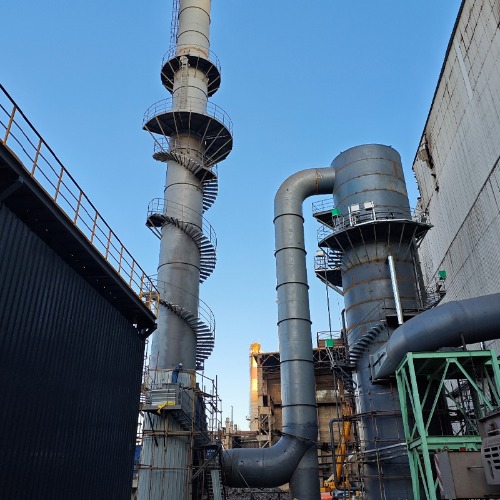
Dust control systems are comprised of several essential components, each designed to capture and filter dust and particulate matter generated during industrial processes.
Filtration Units
The heart of most dust control systems, filtration units trap airborne particles. The efficiency of these filters depends on their design and the material used, with options ranging from cloth filters to electrostatic precipitators.
Fans and Ductwork
The airflow generated by fans carries dust-laden air to the filtration units. Ductwork directs the flow of air, ensuring that all dust is captured before it can escape into the atmosphere.
Monitoring Systems
Modern dust control systems often feature real-time monitoring capabilities, which allow operators to assess the system’s efficiency and detect any issues, such as filter clogging or airflow disruptions. These systems can be integrated with automation for optimal performance.
Dust Control Technologies
Several dust control technologies are commonly used in metallurgical environments, including:
Electrostatic Precipitators (ESP): These devices charge dust particles, causing them to be attracted to oppositely charged surfaces, where they can be collected.
Fabric Filter Bags (Baghouse Filters): A widely used technology, baghouses consist of multiple filter bags that capture dust particles as air passes through them.
Wet Scrubbers: These systems use water or other liquids to capture dust, making them ideal for processes that generate fine or sticky particles.
Each of these technologies has specific advantages and is chosen based on the nature of the dust and the operating conditions.
Dust control systems are tailored to the specific needs of each furnace type. Different types of furnaces produce varying amounts of dust and particulate matter, and each requires a unique dust control approach.
Ladle Refining Furnace (LRF) Dust Control
LRF systems involve refining the steel to remove impurities. The dust generated in this process is typically finer and more concentrated. A robust dust control system, often using fabric filter bags, is employed to capture these particles efficiently.
Coke Ovens Dust Control
Coke production generates large quantities of dust due to the heating of coal. In this case, wet scrubbers or electrostatic precipitators are frequently used to capture coarse and fine particles.
Argon Oxygen Decarburization (AOD) Furnace Dust Control
During the AOD process, oxygen is blown through molten steel to reduce carbon content. The dust generated here is often metallic and requires high-efficiency filtration systems, such as electrostatic precipitators.
Vacuum Oxygen Decarburization (VOD) Furnace Dust Control
VOD furnaces produce ultra-pure steel and operate under vacuum conditions. The dust control systems used in VOD furnaces must be highly effective at capturing both fine dust and vaporized metals.
Induction Furnace Dust Control
Induction furnaces, used primarily in small-scale steel production, generate dust that can be easily controlled with a combination of baghouse filters and cyclones. These systems need to be tailored to handle smaller volumes but high-intensity dust generation.
Hot Blast Stove Dust Control
Hot blast stoves used in blast furnaces generate large amounts of dust due to high-temperature processes. Electrostatic precipitators are often used here due to their ability to handle large volumes of dust efficiently.
Flash Furnace Dust Control
In flash furnaces, used in non-ferrous metal production, dust is generated in intense bursts. Systems such as wet scrubbers or hybrid filtration units are designed to cope with these fluctuating dust loads.
Ausmelt Furnace Dust Control
Similar to flash furnaces, Ausmelt furnaces require specialized dust control systems that can capture particulate matter from both the smelting process and the subsequent refining stage.
Effective maintenance is key to ensuring the longevity and performance of dust control systems. Regular cleaning of filters, checking for blockages in ductwork, and ensuring that fans are operating at optimal efficiency are essential for maintaining system performance. Additionally, routine inspections can identify wear and tear on components, preventing unexpected breakdowns and reducing downtime.
Energy Efficiency and Sustainability
Modern dust control systems are designed with energy efficiency in mind. They often incorporate energy-saving features such as variable speed drives for fans, which adjust airflow based on real-time dust load data. These systems not only reduce operating costs but also support the sustainable operation of metallurgical plants by reducing energy consumption and minimizing emissions.
Dust control systems are indispensable in the metallurgy industry, providing significant benefits in terms of health, safety, efficiency, and environmental compliance. As technology continues to evolve, the future of dust control systems will be shaped by innovations that improve filtration efficiency, reduce energy consumption, and enhance the overall sustainability of metallurgical processes.
1. What are the main types of dust collection systems used in metallurgy?
Common dust collection systems include electrostatic precipitators, fabric filter bags, and wet scrubbers. Each is tailored to specific dust types and furnace conditions.
2. How does a dust control system improve safety in a metallurgical environment?
By capturing harmful dust particles, dust control systems reduce respiratory risks and prevent the accumulation of flammable materials, enhancing safety.
3. What maintenance procedures should be followed to ensure the efficiency of a dust control system?
Regular cleaning of filters, inspecting fans and ducts, and checking for blockages or damage are critical for maintaining optimal performance.
4. How can dust collection systems reduce energy consumption in a metallurgical plant?
Energy-efficient features like variable speed drives help reduce power usage by adjusting airflow based on real-time data, optimizing energy consumption.