English
 Français
 عربى
عربى 简体中文
简体中文


The Crucial Role of Dust Collection Technology in Industrial Waste Gas Treatment
HOME / NEWS / Industry News / The Crucial Role of Dust Collection Technology in Industrial Waste Gas Treatment
 By Admin
Content
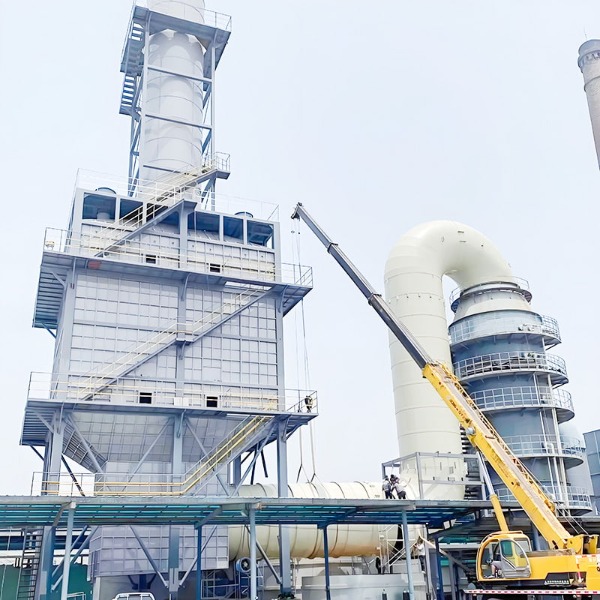
Industrial activities generate a wide array of pollutants, with dust and exhaust gases being some of the most hazardous emissions. These pollutants can negatively impact both the environment and human health, making their control a critical aspect of modern industrial operations. Dust collectors, designed to trap and filter these pollutants, are vital in addressing this issue.
Waste gases, such as dust, sulfur compounds, and nitrogen oxides, are common byproducts of industrial processes. These emissions pose significant environmental and health risks, including respiratory problems, acid rain, and global warming. To mitigate these risks, industries need efficient systems for treating and purifying waste gases. With stricter environmental regulations and rising public concern about pollution, industries are under pressure to adopt effective waste gas treatment technologies. The growing demand for cleaner production processes has highlighted the need for advanced dust collection systems to address the challenges posed by industrial emissions.
Dust collectors work by removing particulate matter from exhaust gases, thereby purifying the air and reducing pollution levels. The process typically involves a filtration system that captures dust particles through a series of filtration mechanisms, such as fabric filters, electrostatic precipitators, or cyclones. These devices are designed to handle various types of industrial waste gases, including those found in casthouses, coking plants, and sintering processes. By utilizing advanced filtration technologies, dust collectors help to reduce harmful emissions and meet regulatory requirements for air quality control.
In waste gas treatment, dust collectors typically serve as the first line of defense against particulate pollution. They effectively capture and remove large dust particles, allowing for further treatment of gaseous emissions if necessary. This dual-function approach contributes to both immediate air quality improvement and long-term environmental protection.
Casthouses, where metal casting occurs, are a major source of airborne dust and fumes. These facilities generate a variety of particulate pollutants, including metal dust, sand, and ash, which can pose significant risks to workers’ health and the environment. Given the high temperatures and potential chemical reactions in casthouses, dust collection systems need to be designed with specific features to address these conditions.
Dust collectors for casthouses are typically equipped with high-temperature-resistant filters and specialized mechanisms to handle molten metal fumes. The efficient capture of dust at the source prevents the spread of pollutants into the surrounding environment, ensuring a safer workplace and improved air quality. These systems also help prevent the buildup of dust in critical areas, reducing the risk of fires and explosions.
Coking plants are another industrial sector that generates significant amounts of particulate matter and volatile gases. The coke production process involves the heating of coal, which releases dust and smoke. The high concentration of these emissions poses challenges for effective air pollution control. Dust collectors in coking plants must be able to handle the high dust load and temperature of the exhaust gases.
For effective dust collection in coking plants, specialized systems are needed to filter out fine particulates and volatile compounds. These dust collectors typically feature robust filtration technologies that can withstand the harsh conditions of the coking process. They are designed to efficiently capture and remove carbon dust, tar, and other harmful substances, helping to protect both the environment and workers.
Ore troughs and sintering furnaces are other critical areas in which dust collection plays a vital role. These industrial processes generate a large volume of fine dust, which can pollute the air and pose health risks to workers. Dust collectors for ore troughs and sintering processes need to be capable of handling fine, abrasive dust particles, which are difficult to filter out using standard equipment.
The dust collection systems for these applications are designed to capture the fine particulate matter generated during the processing of ores and sintering of materials. These systems employ advanced filtration techniques, such as pulse jet cleaning and high-efficiency filters, to ensure optimal dust removal. By effectively controlling the dust emissions, these systems help to maintain cleaner air quality and reduce the risk of respiratory issues among workers.
Dust collection technology plays a crucial role in industrial waste gas treatment, helping to reduce harmful emissions, protect the environment, and improve air quality. In sectors such as casthouses, coking plants, ore troughs, and sintering processes, effective dust collection systems are essential for managing particulate emissions and ensuring compliance with environmental regulations.
1. What is the primary function of a dust collector in industrial waste gas treatment?
The primary function of a dust collector is to capture and remove particulate matter from exhaust gases, preventing the release of harmful dust into the air.
2. What types of dust collectors are commonly used in casthouses?
Casthouses typically use high-temperature-resistant fabric filters or electrostatic precipitators to capture metal dust and fumes generated during the casting process.
3. How do dust collectors in coking plants handle high dust concentrations?
Dust collectors in coking plants are designed with robust filtration systems that can handle the high dust load and temperature, effectively capturing carbon dust and other harmful substances.
4. Why is dust collection important in ore troughs and sintering processes?
Dust collection is important in ore troughs and sintering processes to capture fine, abrasive dust particles, ensuring cleaner air quality and protecting workers from respiratory risks.