English
 Français
 عربى
عربى 简体中文
简体中文


How Electrostatic Precipitators Contribute to Cleaner Air: Top Benefits Explained?
HOME / NEWS / Industry News / How Electrostatic Precipitators Contribute to Cleaner Air: Top Benefits Explained?
 By Admin
Content
In industries where air quality is paramount, especially in sectors like power generation, manufacturing, and chemical processing, managing the emission of particulate matter is essential. Electrostatic precipitators (ESPs) play a crucial role in this by providing a highly efficient means of capturing harmful dust and particulate pollutants from industrial exhaust gases.
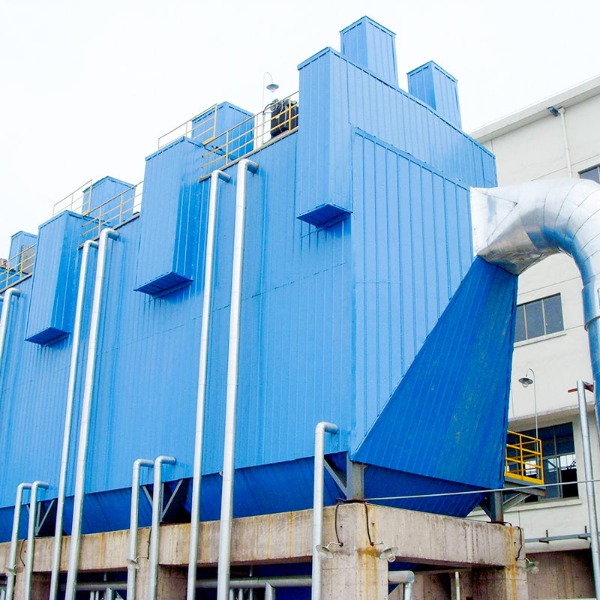
An electrostatic precipitator is a device that uses electrostatic force to remove suspended particles in the air, such as flue gas and industrial dust. It operates based on the principle of electrostatic attraction between charged particles and oppositely charged surfaces.
The electrostatic precipitator consists of two main components:
Discharge Electrodes: These are charged with a high-voltage direct current (DC), creating an intense electric field.
Collector Plates: These are grounded surfaces where the charged dust particles are attracted and collected.
When the exhaust gas passes through the device, dust particles in the gas are ionized by the electric field, acquiring a negative charge. Due to the attraction between opposite charges, the negatively charged dust particles are pulled towards the positively charged collector plates. The collected dust is then removed by vibration or ultrasonic methods and stored in an ash hopper at the bottom of the system.
To better understand the operation of an electrostatic precipitator, consider the following breakdown of the process:
Ionization: As exhaust gases enter the ESP, they are exposed to a high-voltage electric field created by the discharge electrodes. This ionizes the particles in the gas stream, causing them to acquire a negative charge.
Collection: The charged particles are attracted to the grounded collector plates. These plates act as the positive charge, pulling the negatively charged dust particles toward them.
Cleaning: As dust accumulates on the collector plates, the system periodically vibrates or uses ultrasonic waves to dislodge the collected particles, sending them to the ash hopper for disposal.
Disposal: The dust is collected in the hopper and can be safely removed or processed further.
Electrostatic precipitators offer numerous advantages, particularly when it comes to industrial air pollution control. Here are some of the top benefits that highlight their contribution to cleaner air:
One of the primary benefits of electrostatic precipitators is their ability to remove very fine particles from exhaust gases. They are capable of capturing particles as small as 0.1 microns, which other filtration systems may struggle with. This high efficiency makes them particularly valuable in industries dealing with very fine dust or toxic particles.
Compared to other filtration technologies, ESPs consume relatively low amounts of energy. This makes them an economically viable option for industrial operations seeking to balance environmental responsibility with operational efficiency. The low energy demand helps reduce the operational costs of air pollution control systems.
Electrostatic precipitators generally require less maintenance than other air pollution control technologies. This is due to their simple design, which typically involves fewer moving parts. Routine maintenance focuses mainly on cleaning the collector plates and ensuring the electrodes are functioning correctly, which makes ESPs a cost-effective solution over time.
Electrostatic precipitators can be used across various industries, including power plants, cement factories, chemical processing, and even steel mills. They are highly adaptable, capable of dealing with a wide range of dust types and operating conditions. This makes them a go-to solution for air quality management in numerous sectors.
With increasing regulatory pressure on industries to control emissions, ESPs help ensure that industrial operations remain compliant with air quality standards. By effectively removing particulate matter, industrial electrostatic precipitators contribute to cleaner air, supporting sustainability goals and helping industries avoid penalties for exceeding pollutant thresholds.
An industrial electrostatic precipitator is built to last, often requiring minimal repairs over its service life. Made from high-quality materials that can withstand harsh conditions, these systems are durable, ensuring long-term reliability and reduced need for replacements.
Electrostatic precipitators are versatile and can be found in numerous applications. Below are some examples of industries that commonly use ESPs to maintain air quality:
| Industry | Common Applications | Benefits of ESP Use |
|---|---|---|
| Steel Mill | Dust collection during metal processing and furnace operations | Reduction of airborne dust, improved air quality, and worker safety |
| Sand Plant | Removing dust generated during sand processing | Prevention of lung diseases, improved worker health, and compliance with regulations |
| Foundry Industry | Capturing dust from metal casting and molding processes | Protection from harmful emissions, enhanced environmental control |
| Ore Trough | Dust collection during ore processing and transport | Ensures cleaner work environments and improved health standards |
| Metallurgy Industry | Capturing dust and fumes produced during metal refining | Reduction of environmental impact and worker exposure to toxic materials |
There are several types of electrostatic precipitators used for various applications. These include:
Wet Electrostatic Precipitators (WET ESPs): These are typically used to remove fine particles from gas streams that contain high moisture or sticky pollutants. Wet ESPs use water or another liquid to help collect the particles, ensuring better performance in certain conditions.
Dry Electrostatic Precipitators (DESP): These systems use dry collection plates, making them ideal for collecting dry particulates. They are commonly used in industries such as cement production, coal-fired power plants, and metal processing.
Q1: What are the main components of an industrial electrostatic precipitator?
A: The main components of an industrial electrostatic precipitator are the discharge electrodes and the collector plates. The discharge electrodes create a high-voltage electric field, which ionizes the particles in the exhaust gas, while the collector plates attract and collect the charged particles.
Q2: How often should electrostatic precipitators be maintained?
A: Electrostatic precipitators require routine maintenance, which typically involves cleaning the collector plates and checking the discharge electrodes. Regular inspections and cleaning help maintain the efficiency of the system.
Q3: Are electrostatic precipitators effective at removing all types of particles?
A: While ESPs are highly effective at capturing fine particulate matter, their efficiency can vary depending on the nature of the particles. They are particularly effective at removing dry particles, but some types of wet or sticky particles may require the use of a wet electrostatic precipitator.
Q4: What are the environmental benefits of using an electrostatic precipitator?
A: Electrostatic precipitators help reduce air pollution by effectively removing particulate matter from exhaust gases. This leads to cleaner air, improved public health, and compliance with environmental regulations.
Electrostatic precipitators are an invaluable tool for improving air quality across a wide range of industries. Their high efficiency, low energy consumption, and minimal maintenance requirements make them a cost-effective and reliable solution for capturing industrial dust and particulate matter. As industries continue to face stricter environmental regulations, the role of industrial electrostatic precipitators in maintaining cleaner air becomes even more crucial, contributing to a healthier environment for everyone.