English
 Français
 عربى
عربى 简体中文
简体中文


How Electrostatic Precipitators Improve Air Quality in Industrial Applications?
HOME / NEWS / Industry News / How Electrostatic Precipitators Improve Air Quality in Industrial Applications?
 By Admin
Content
Air pollution in industrial environments is a significant concern, not only for environmental sustainability but also for the health and safety of workers. Electrostatic precipitators (ESPs) have emerged as one of the most effective technologies for controlling particulate emissions in industries such as power generation, cement manufacturing, and chemical processing.
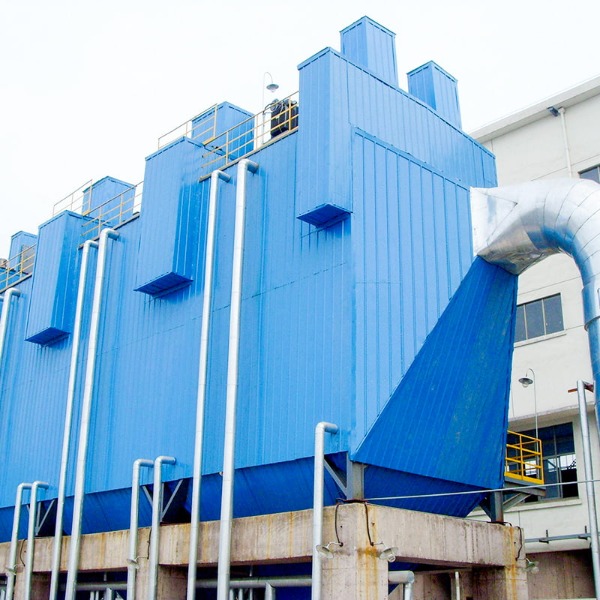
An electrostatic precipitator is a device used to remove fine particulate matter from a gas stream by using electrical forces. The principle behind an ESP is based on the ionization of particles, followed by their collection on oppositely charged plates. The pollutants in the gas are electrically charged as they pass through the ESP, where they are then attracted to the collector plates and subsequently removed. This technology is highly efficient, making it an invaluable tool for industries seeking to control emissions.
Ionization Process: The gas stream enters the ESP and passes through a series of ionizing electrodes. These electrodes apply a high-voltage electrical charge to the particles, ionizing them and giving them a negative charge.
Particle Collection: Once the particles are ionized, they are drawn to the positively charged collection plates. These plates are placed parallel to each other within the device. The charged particles are attracted to these plates, where they accumulate over time.
Cleaning Process: Periodically, the collection plates are cleaned either manually or automatically. The particles that have collected on the plates are removed and safely disposed of, ensuring that the system remains efficient.
Efficiency in Removing Fine Particles
One of the main advantages of electrostatic precipitators is their ability to capture very fine particles that other dust collection systems may miss. This makes ESPs especially useful in industries where the particulate matter is small and difficult to capture.
Reduced Air Pollution
By removing a significant amount of particulate matter from the air, ESPs help reduce overall air pollution. This not only benefits the environment but also ensures compliance with local regulations and health standards.
Low Energy Consumption
Compared to other air pollution control devices, such as bag filters, electrostatic precipitators consume relatively low amounts of energy. This makes them a cost-effective choice for industries looking to minimize operational costs.
Long Service Life
Electrostatic precipitators are known for their durability and long service life. When maintained properly, they can last for many years, providing a long-term solution for dust control and air quality improvement.
Adaptability
ESPs can be customized to suit various industrial processes, whether it’s for power plants, chemical factories, or cement kilns. Their versatility makes them a go-to solution for many different applications.
Power Generation
In coal-fired power plants, electrostatic precipitators are commonly used to remove fly ash from the flue gases. These fine particles are a significant environmental hazard, and ESPs help minimize their release into the atmosphere.
Cement Manufacturing
Cement plants use ESPs to control emissions from their kilns and raw material handling processes. These systems help reduce the environmental impact of dust and fine particulate emissions.
Chemical Processing
The chemical industry often deals with hazardous airborne particles. ESPs are used in various processes to capture these particles before they are released into the air, thereby protecting both the environment and the workers.
Steel and Metallurgical Industry
In the production of steel, ESPs are used to capture the fine dust created during processes like blast furnace operation and slag handling. These systems help maintain air quality in steel mills and reduce the risk of respiratory diseases among workers.
Particle Size
The size of the particles to be removed plays a critical role in selecting the right electrostatic precipitator. Larger particles are easier to capture, while smaller ones require a more specialized system.
Gas Volume
The volume of the gas stream being treated is another crucial factor. Higher gas volumes require larger ESPs or multiple units to effectively remove particles.
Temperature and Corrosiveness
The temperature of the gas stream and its chemical composition must be considered when choosing an ESP. High temperatures or corrosive gases can damage certain components of the precipitator, so it is important to select a system designed to withstand these conditions.
Maintenance Requirements
Regular maintenance is essential for optimal ESP performance. The cleaning frequency and ease of maintenance are factors to consider to ensure minimal downtime and efficient operation.
High Maintenance Costs
One of the challenges with ESPs is the need for regular maintenance. However, adopting automated cleaning systems can reduce labor costs and enhance operational efficiency.
Corrosion and Wear
Corrosive gases can lead to the degradation of ESP components. Choosing materials that are resistant to corrosion, such as stainless steel or coated materials, can mitigate this issue.
Efficiency at Low Flow Rates
ESPs are more effective at higher gas flow rates. For industries with lower flow rates, smaller or custom-designed ESPs may be necessary to achieve optimal performance.
1. How do electrostatic precipitators improve air quality?
Electrostatic precipitators remove fine particulate matter from industrial emissions, reducing air pollution and improving air quality in surrounding areas.
2. What industries use electrostatic precipitators?
ESPs are commonly used in power generation, cement manufacturing, chemical processing, and steel production to control dust and particulate emissions.
3. Are electrostatic precipitators energy-efficient?
Yes, compared to other pollution control devices, electrostatic precipitators are energy-efficient, consuming less power for the same level of particulate removal.
4. What factors affect the performance of an electrostatic precipitator?
Factors like particle size, gas volume, temperature, and the chemical composition of gases can influence the performance of an ESP.
5. How often do electrostatic precipitators need maintenance?
Maintenance frequency depends on the operating conditions, but ESPs typically require periodic cleaning of the collection plates to maintain optimal performance.