English
 Français
 عربى
عربى 简体中文
简体中文


What Is an Industrial Cartridge Dust Collector and How Does It Work?
What Is an Industrial Cartridge Dust Collector and How Does It Work?
 By Admin
Content
- 1 Introduction to Industrial Cartridge Dust Collectors
- 2 What Is an Industrial Cartridge Dust Collector?
- 3 How Does an Industrial Cartridge Dust Collector Work?
- 4 Advantages of Industrial Cartridge Dust Collectors
- 5 Applications of Industrial Cartridge Dust Collectors
- 6 Limitations and Considerations
- 7 FAQ
Introduction to Industrial Cartridge Dust Collectors
In industries that produce high levels of dust, maintaining air quality and ensuring compliance with emission standards are essential. One of the most effective solutions for air filtration is the industrial cartridge dust collector.
What Is an Industrial Cartridge Dust Collector?
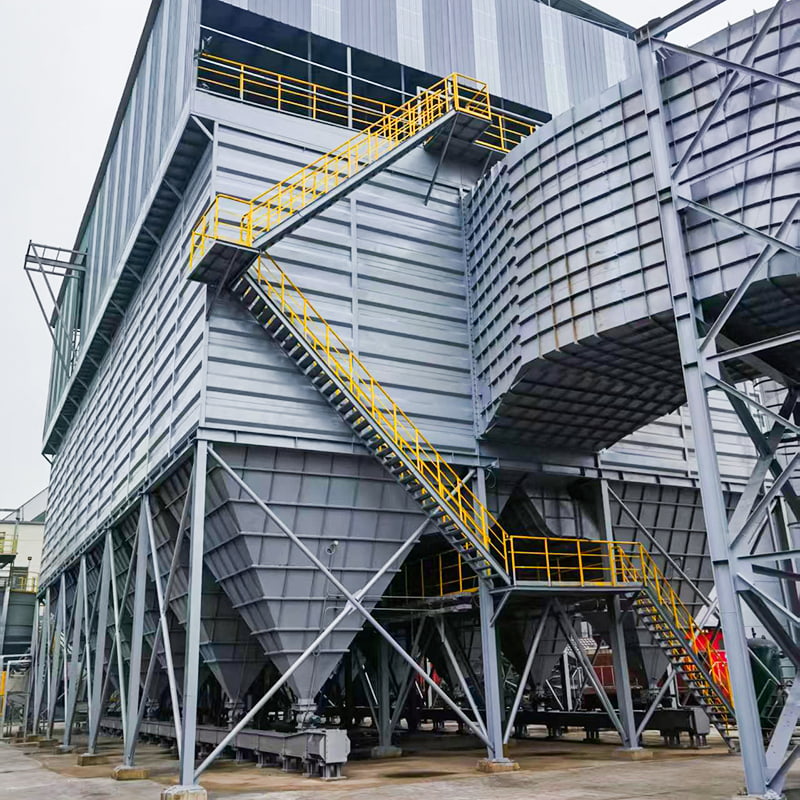
An industrial cartridge dust collector is a type of air filtration system designed to capture and remove airborne dust, particulate matter, and other contaminants from industrial gases. The system uses a filter cartridge, typically made from materials like polyester, polypropylene, or PTFE, to separate dust particles from the air. These filter cartridges are pleated to provide a larger surface area for filtration, making them more efficient than traditional filter bags.
The primary function of an industrial cartridge dust collector is to ensure that the flue gases released into the atmosphere meet emission standards. The filtration system works by trapping dust particles on the surface of the filter cartridge, while the clean air is passed through the filter and released back into the environment.
How Does an Industrial Cartridge Dust Collector Work?
The working principle of an industrial cartridge dust collector is based on a combination of filtration and pulse cleaning. The process can be broken down into the following steps:
Dust-laden Air Intake: The dusty air or gas is drawn into the dust collector through the intake system, typically with the help of a fan. The air flows through the filter cartridges, where dust particles are captured.
Filtration: As the air passes through the filter cartridges, the dust particles accumulate on the outer surface of the cartridge. The filter material allows clean air to pass through while trapping the particles.
Pulse Cleaning: When the dust accumulates to a certain level, and the resistance of the filter increases, the dust collector activates a pulse valve system. This system sprays a high-pressure burst of air onto the filter cartridge to dislodge the accumulated dust. This process helps restore the filter’s efficiency.
Dust Removal: The dislodged dust falls into a hopper or collection bin, where it is removed from the system. The filter cartridges continue to operate effectively, ensuring continuous filtration.
Emission Control: After passing through the filter, the cleaned air is released back into the atmosphere, ensuring that the emissions comply with environmental regulations.
Advantages of Industrial Cartridge Dust Collectors
Efficient Filtration:
Due to the pleated design of the filter cartridges, industrial cartridge dust collectors offer a larger filtration surface area compared to traditional filter bags. This allows for more efficient dust collection and improved air quality.
Compact Design:
Cartridge-based systems typically require less floor space than bag filters, making them ideal for facilities with limited space. Their compact design also reduces installation and operational costs.
Low Wind Speed Requirement:
The filtration wind speed in cartridge dust collectors is generally low, typically below 0.8m/min. This helps prevent dust from re-entering the airflow, ensuring more effective filtration.
Reduced Maintenance:
The pulse cleaning system reduces the need for manual cleaning and maintenance. The filter cartridges can be easily cleaned and restored, minimizing downtime and maintenance costs.
Customizable Design:
Industrial cartridge dust collectors can be customized to meet the specific needs of different industries. The filtration system can be tailored to handle various types of dust and gas conditions, such as high-temperature or high-moisture environments.
Applications of Industrial Cartridge Dust Collectors
Industrial cartridge dust collectors are used across various industries, including:
Steel Plants: Steel manufacturing processes generate significant amounts of dust and particulate matter. Cartridge dust collectors help maintain clean air in these facilities, ensuring compliance with emission standards.
Cement Plants: Cement production processes release dust that can be harmful to workers and the environment. Industrial cartridge dust collectors are commonly used to capture and remove this dust.
Power Plants: Power generation, particularly in coal-fired plants, produces large amounts of flue gas. Cartridge dust collectors help ensure that emissions are filtered to meet environmental standards.
Food Processing Plants: Food processing industries also require effective dust collection to maintain hygiene and prevent contamination. Cartridge dust collectors provide a reliable solution for this need.
Pharmaceutical Manufacturing: In pharmaceutical plants, controlling dust is critical to maintaining product quality and worker safety. Industrial cartridge dust collectors are used to filter air and keep the environment clean.
Limitations and Considerations
While industrial cartridge dust collectors offer numerous benefits, there are certain limitations and considerations to keep in mind:
1.Moisture and Hygroscopic Dust
The system is not suitable for treating flue gases with moisture content exceeding 10%, as excessive moisture can cause the dust to become hygroscopic and harden, potentially damaging the filter cartridges.
2.Temperature Limitations
The temperature resistance of filter cartridges depends on the material and structure. Different materials exhibit significant differences in their maximum temperature capabilities, ranging from approximately 150°C to over 800°C.
Common Filter Material Temperature Ranges:
Polyester Fiber Cartridges: Typically operate within a temperature range of 120°C to 150°C.
Fiberglass Cartridges: Continuous use temperature up to 260°C, with peak temperatures reaching up to 290°C.
PTFE Coated Cartridges: Base materials such as polyester can withstand temperatures from -196°C to 260°C, and the PTFE coating itself can resist temperatures up to 300°C.
P84 Polyimide Cartridges: Temperature range from 220°C to 260°C, with a decomposition temperature of up to 400°C.
Aramid Cartridges: Can withstand temperatures from 250°C to 280°C.
Other High-Temperature Filter Cartridge Types:
Metal Fiber Sintered Cartridges: Can handle continuous temperatures above 260°C, with some products (e.g., from Sandvik) even able to withstand temperatures as high as 800°C.
Ceramic Fiber Cartridges: Capable of enduring temperatures above 400°C.
3.Corrosive Gases
Industrial cartridge dust collectors are not suitable for treating gases containing high levels of corrosive or acidic substances. For such environments, alternative filtration systems may be required.
Key Features and Specifications
| Feature | Specification |
|---|---|
| Filter Material | Polyester, PTFE, polypropylene |
| Pleat Number | High pleat count for larger surface area |
| Filtration Speed | Below 0.8m/min |
| Maximum Operating Temp | Depending on the material, the range varies from 150°C to over 800°C |
| Pulse Cleaning | Automated pulse jet cleaning system |
| Application | Steel, foundry, power plants, sand plant |
| Moisture Limitation | No more than 10% moisture content in gas |
FAQ
1. What industries benefit from using industrial cartridge dust collectors?
Industrial cartridge dust collectors are used in industries like steel, sand plant, power generation, foundry industry, and pharmaceuticals, where dust filtration is crucial for health and environmental compliance.
2. How does pulse cleaning work in a cartridge dust collector?
Pulse cleaning involves using a burst of compressed air to clean the filter cartridges, dislodging accumulated dust and restoring the filter’s capacity to filter air efficiently.
3. What are the advantages of using filter cartridges over traditional filter bags?
Filter cartridges provide a larger surface area for filtration, offer a more compact design, require less floor space, and reduce maintenance costs due to the efficient pulse cleaning system.
4. Are there any limitations to using an industrial cartridge dust collector?
Yes, they are not suitable for handling gases with high moisture content (above 10%) or gases containing corrosive substances. The filter cartridges also have temperature limitations, typically up to 150°C.
5. Can an industrial cartridge dust collector be customized for different applications?
Yes, these dust collectors can be customized to suit specific applications, including handling different types of dust, varying gas temperatures, and moisture levels.