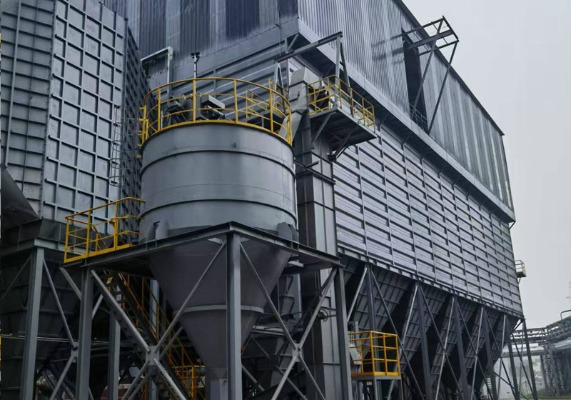
The Challenge of High-Temperature Industrial Dust Control
Industrial facilities operating at extreme temperatures face an escalating environmental compliance challenge. Regulatory standards for particulate emissions have tightened dramatically over the past decade, with many regions now mandating sub-10mg/m³ emission levels for facilities producing steel, cement, lime, and refined metals. Traditional dust control methods struggle to maintain this performance while managing the corrosive and thermally demanding conditions inherent to these processes.
The core problem is multifaceted: high-temperature flue gases (often exceeding 200°C), fine particulate matter (PM2.5 and smaller), corrosive chemical compounds, and massive volumetric airflows create an environment where conventional filtration systems fail rapidly. Equipment deteriorates, maintenance costs escalate, and compliance becomes inconsistent.
This is precisely why low pressure pulse dust collector systems have become the industry standard for facilities seeking dependable, cost-effective solutions that bridge the gap between operational efficiency and environmental responsibility.
Understanding Low Pressure Pulse Jet Bag Dust Collection Technology
What Makes the Low Pressure Approach Fundamentally Different
A dust collector using low pressure pulse jet technology represents a significant evolution from earlier high-pressure systems. Rather than employing intense compressed air bursts at 5-7 bar, this approach delivers controlled, precision pulses at 1-2.5 bar, creating a completely different operational dynamic.
The mechanism operates as follows: flue gas enters the filtration chamber and passes through an array of cylindrical filter bags suspended vertically. As particulate matter accumulates on the exterior filter surface, pressure differential increases. At predetermined intervals (or when pressure triggers a sensor), the control system activates a solenoid valve, releasing a brief, controlled pulse of compressed air into the filter bag's interior.
This low-pressure pulse creates a gentle reverse-flow action that dislodges accumulated dust without the violent shock of traditional high-pressure systems. The loosened particles cascade downward into the collection hopper below.
Technical Advantages of Low Pressure Pulse Technology
The low pressure methodology delivers quantifiable benefits across multiple operational dimensions:
Filter bag lifespan extension (typically 3-5 years versus 1-2 years for high-pressure systems), reducing component replacement frequency and associated downtime
Compressed air consumption reduction of 30-50% compared to conventional pulse-jet systems, directly improving operational energy efficiency
Reduced mechanical stress on filter media, enabling use of more delicate, finer-porosity materials that capture smaller particulate
Lower auditory signature during operation (important for facilities in proximity to populated areas)
Improved compatibility with heat-sensitive filter materials, expanding material options for specialized applications
More predictable, uniform cleaning across all filter bags, ensuring consistent performance throughout the system
System Architecture and Components
A complete low pressure pulse system comprises several integrated subsystems working in coordinated sequence:
The upper chamber (or dirty gas chamber) receives incoming flue gas from industrial process exhaust stacks. The middle chamber houses the filter bags themselves, typically constructed from specialized synthetic materials like polyimide, polyphenylene sulfide, or PTFE-coated composites. The lower chamber (or hopper section) collects settled dust particles and channels them toward discharge equipment such as rotary air locks or vibratory conveyors.
The compressed air supply system includes a main reservoir, pressure regulator, solenoid valve bank, and distribution manifold. The control logic unit monitors pressure differential, temperature, and operational parameters, automatically adjusting pulse frequency and duration to maintain optimal filtration efficiency.
An external support structure—typically fabricated steel with inspection platforms and safety handrails—provides structural stability and safe access for maintenance operations.
Low Pressure Versus Traditional Dust Collection Approaches
The following comparison illustrates how different cleaning technologies perform across critical operational parameters:
Parameter
Low Pressure Pulse
High Pressure Pulse
Mechanical Shaking
Operating Pressure (bar)
1.0-2.5
5-7
N/A (mechanical)
Filter Bag Lifespan (years)
3-5
1-2
2-3
Air Consumption
Low (30-50% reduction)
High (baseline)
None
Operational Noise Level
Low (75-85 dB)
High (90-100 dB)
Medium (85-90 dB)
Filtration Efficiency at 250 microns
99.8-99.9%
99.5-99.8%
98.5-99.2%
Maintenance Complexity
Moderate
Complex
Simple
Achieving Ultra-Low Emission Standards with Advanced Pulse Technology
Emission Compliance Across Industrial Sectors
Modern regulatory frameworks increasingly mandate emission levels below 10-20 mg/m³ particulate matter. For perspective, this represents a 95-98% reduction from uncontrolled industrial exhaust concentrations.
Low pressure pulse systems achieve this through multiple mechanisms working synergistically. The gentle cleaning action preserves filter media integrity, preventing the micro-tears that develop under aggressive high-pressure systems. Intact filters maintain consistent small-pore architecture, effectively capturing particles as small as 0.3 microns under normal operating conditions.
Advanced systems incorporate additional refinements such as differential pressure monitoring that triggers cleaning only when necessary (not on fixed schedules), temperature compensation that adjusts cleaning frequency based on gas viscosity changes, and bypass valve designs that prevent damage from process upsets or unexpected temperature surges.
Temperature Management in Extreme Industrial Environments
Steel mill blast furnace exhaust typically reaches 180-250°C. Cement kiln discharge gas can exceed 300°C. Metallurgical processes produce similarly harsh thermal conditions. Standard filter materials cannot survive these temperatures for extended periods.
Modern filtration systems employ specialized synthetic materials engineered specifically for high-temperature applications. Polyimide (commonly known as P84) withstands continuous exposure to 260°C and short-term peaks to 280°C. Polyphenylene sulfide maintains structural integrity at sustained 190°C with tolerance for 220°C transients. PTFE-coated composites provide additional chemical resistance for corrosive applications.
The low pressure approach particularly benefits high-temperature service because it minimizes the thermal shock stress applied to filter media during cleaning pulses. This permits use of finer, more delicate materials that would deteriorate rapidly under aggressive high-pressure systems.
Specialized Applications Across Heavy Industrial Sectors
Steel Production Facilities
Steel manufacturing encompasses multiple dust-generation points. Blast furnace operations produce high-volume cooled gas with iron ore dust, carbon particles, and entrained slag. Electric arc furnace facilities discharge extremely fine particulate and metallic fumes. Direct reduction iron processes generate iron oxide dust from hydrogen reduction reactions.
A low pressure pulse system handling blast furnace gas must process volumes exceeding 100,000 m³/hour while managing temperature stabilization (initial gas may reach 200°C, then rapid cooling to 80-100°C creates condensation risks). The system requires substantial filter area—often 500-2000 m² of active filtration surface—and robust corrosion protection against acidic exhaust constituents.
Selection of appropriate filter materials is critical. Materials must withstand temperature cycling, resist chemical attack from sulfur compounds and other combustion byproducts, and maintain structural integrity under the dust loading patterns characteristic of steel production.
Cement and Clinker Production
Cement manufacturing involves multiple high-temperature dust generation points. Raw material grinding produces silicate dust from limestone, shale, and clay. Kiln exhaust at the clinker discharge point reaches peak temperatures, then progressively cools through cyclone preheaters and heat recovery systems.
The kiln exit gas contains not just particulate dust, but also condensable organic compounds that can form sticky residues on filter surfaces—a phenomenon called "blinding" that rapidly reduces system efficiency. Low pressure pulse systems handle this through:
Higher pulse frequency during startup and low-temperature periods to prevent sticky particle adhesion
Slightly elevated pulse pressure during transient periods (while remaining below high-pressure thresholds) to more forcefully dislodge cohesive deposits
Temperature monitoring that triggers operational adjustments when saturation conditions develop
Filter material selection emphasizing low-adhesion surface characteristics
Cement plant installations typically incorporate bag counting (to verify proper filter replacement) and sophisticated differential pressure algorithms that distinguish between normal dust loading and filter blinding conditions.
Lime Kiln Operations
Lime production through limestone calcination creates highly alkaline dust with extreme temperature conditions. Kiln discharge gas often exceeds 800°C before cooling through heat recovery systems. The exhaust contains calcium oxide dust (quicklime), unburned calcium carbonate, and various trace minerals.
Calcium oxide is particularly problematic for standard systems because it readily absorbs atmospheric moisture, transforming into calcium hydroxide (slaked lime)—a process that can occur within filter pores, causing irreversible blockage. Lime kiln systems therefore require:
Aggressive drying systems to remove moisture before gas enters filtration
Higher-frequency pulse cleaning to prevent particulate compaction
Specialized filter materials resistant to chemical reaction with lime compounds
Regular preventive maintenance to identify and replace degrading filters before catastrophic failure
Metallurgical Processing and Metal Refining
Non-ferrous metallurgy—aluminum smelting, copper refining, zinc processing—produces diverse dust compositions ranging from metallic particles to oxide compounds to condensable metal-bearing vapors. Some processes generate dust containing toxic trace metals requiring specialized handling.
The variability demands flexible system design. A single facility might need to handle dust compositions and temperature profiles varying significantly between different production areas. Modular low pressure systems accommodate this through:
Independent chamber designs permitting different filter materials in different processing zones
Programmable controls that adjust operating parameters based on source identification
Redundant subsystems enabling isolation and targeted maintenance without facility shutdown
Understanding the Low Pressure Pulse Cleaning Cycle
Comprehensive Selection and Sizing Guide
Step 1: Determine Required Filtration Area
The fundamental sizing parameter is the filtration area required to accommodate volumetric airflow. Selecting undersized equipment results in excessive pressure drop and rapid filter blinding. Oversizing increases capital expenditure without proportional performance benefit.
The calculation begins with establishing the volumetric flowrate (in m³/hour) and the target filtration velocity. Most industrial applications employ air-to-cloth ratios (the gas volume flowing through each square meter of filter area per minute) between 2.0 and 3.5 m³/min/m².
Example calculation: A facility requires handling 120,000 m³/hour emission gas with a target air-to-cloth ratio of 2.5 m³/min/m². First convert to minutes: 120,000 ÷ 60 = 2,000 m³/min. Then divide by the ratio: 2,000 ÷ 2.5 = 800 m². This facility requires approximately 800 m² of active filtration surface.
Step 2: Select Appropriate Filter Media
Filter material selection depends primarily on three factors: maximum sustained temperature, peak transient temperature, and chemical exposure profile.
For continuous operation at 150-190°C: Polyester media offers cost-effective performance with moderate chemical resistance. Polyester is suitable for general industrial dust removal but not for corrosive or high-temperature extremes.
For sustained operation at 190-260°C: Polyimide (P84) media is the industry standard. It maintains structural integrity throughout this temperature range, resists most chemical compounds found in industrial exhaust, and permits finer pore sizing for improved efficiency.
For specialized applications requiring chemical resistance: Polyphenylene sulfide (PPS) or PTFE-coated composite materials provide superior resistance to acidic, alkaline, or organic vapor exposure. These premium materials support service in the most demanding applications at the cost of higher material expenses.
For extreme high-temperature processes approaching 300°C: Aramid media or specialty glass fiber blends are sometimes required, though these applications are relatively rare outside specialized metallurgical processing.
Step 3: Configure Cleaning Parameters
Pulse duration and frequency determine system cleanliness and operational efficiency. Modern control systems allow programmable adjustment based on real-time conditions.
Standard pulse duration: Typically 0.05-0.15 seconds. Longer pulses increase compressed air consumption without additional cleaning benefit. Shorter pulses reduce cleaning effectiveness.
Standard pulse interval: Most systems operate with interval triggers based on pressure differential. When pressure differential exceeds a preset threshold (typically 4-6 kPa for most materials), the system initiates cleaning.
Time-based backup: Even when differential pressure remains below the trigger threshold, a secondary timer ensures at least minimal cleaning frequency (typically one pulse per 60-120 minutes) to prevent dust compaction during low-throughput periods.
Step 4: Address Special Conditions
Beyond standard parameters, several conditions require design modifications:
Condensation Risk: If flue gas cools as it flows toward the filtration system (common in applications with heat recovery), water vapor may condense on filter surfaces. Address through insulation, pre-heating, or desiccant drying systems.
Sticky or Cohesive Dust: Certain industrial processes produce dust particles that readily adhere to filter surfaces and to each other. These require higher pulse pressure or frequency, and sometimes surface treatments on filter media.
Explosive Dust Atmosphere: Facilities processing flammable dust (grain, coal, certain metals) require equipment with certified explosion-proof designs, including pressure relief systems and grounding components.
Corrosive Compounds: Acidic exhaust requires stainless steel or epoxy-coated construction for housing and internals. Alkaline dust demands different material selections.
Optimizing Performance Through Proper Operation and Maintenance
Startup and Initial Operation
New installations require careful commissioning. Initial operation at reduced flow rates (typically 40-60% of rated capacity) over 4-8 hours allows filter media to condition—developing the initial dust layer that actually enhances filtration efficiency.
During commissioning, verify that all pulse valves activate correctly, that dust properly cascades into collection hoppers, and that no unusual vibration or noise patterns emerge. Particularly for high-temperature applications, confirm that temperature monitoring systems respond correctly and trigger alerts when parameters drift from specification.
Routine Maintenance Schedule
Weekly inspection: Visually verify that hopper discharge equipment operates normally (rotary air locks, screw conveyors). Confirm that pressure gauges display expected values. Listen for unusual acoustic patterns that might indicate valve malfunction.
Monthly maintenance: Conduct thorough inspection of pulse valve components, checking solenoid coil resistance and verifying that valve seats are free from particulate deposits. Clean or replace air inlet filters supplying the pulse valve system.
Quarterly or semi-annual inspection: Physically inspect filter bags (if design permits) for holes, excessive wear, or deposits that resist normal pulse cleaning. Monitor filter replacement intervals—bags typically require replacement when they have been in service for 18-36 months, depending on dust loading and operating temperature.
Annual comprehensive maintenance: Deep cleaning of all internal surfaces where dust might accumulate. Inspection of structural welds and support components. Verification of all electrical connections and sensor calibration. Complete testing of all safety systems and emergency shutdowns.
Troubleshooting Common Issues
Abnormally High Pressure Differential: Indicates either excessive dust loading, inadequate cleaning frequency, or filter blinding. Solutions include increasing pulse frequency, verifying pulse valve functionality, or evaluating whether process conditions have changed (unexpected increase in dust generation).
Visible Dust Emission from Stack: Suggests filter failure or bypass leakage. Immediately reduce process flowrate and inspect for punctured bags or leaking seals. This condition demands urgent attention to prevent regulatory violations.
Increased Vibration or Unusual Noise: May indicate failed bearings in fan systems, structural looseness, or abnormal cleaning patterns. Investigate promptly—vibration accelerates component wear and can lead to secondary failures.
Compressed Air Consumption Increase: Typically signals either elevated pulse frequency (often triggered by pressure sensor drift or filter deterioration) or a failing solenoid valve allowing air leakage. Verify sensor calibration and inspect valve condition.
Economic Analysis and Total Cost of Ownership
Capital Expenditure Considerations
Equipment purchase price for a medium-capacity low pressure pulse system (approximately 500-1000 m² filtration area) typically ranges from 15% to 25% higher than comparable mechanical shaking systems, but 10-15% lower than high-pressure pulse alternatives.
This capital premium is partially offset through installation advantages: low pressure systems typically require less elaborate compressed air infrastructure, reducing ancillary equipment costs.
Operational Cost Reduction
The primary economic advantage emerges through operational cost reduction:
Compressed air consumption is 30-50% lower than high-pressure systems, directly reducing energy expenses
Extended filter bag lifespan (3-5 years versus 1-2 years) reduces replacement component costs by 60-70%
Lower maintenance frequency due to gentler mechanical operation reduces labor expenses
Improved system reliability minimizes unplanned downtime and associated production losses
For a facility operating continuously, these cumulative savings typically recover the capital premium within 2-3 years, with each additional year of operation delivering pure economic benefit.
Regulatory Compliance Value
Beyond direct operational economics, consideration must be given to regulatory compliance capability. Failure to maintain required emission standards results in:
Regulatory fines that can exceed equipment cost within a single violation period
Mandatory production curtailment during compliance remediation
Potential facility shutdown for extended non-compliance
Reputational damage affecting customer relationships and market positioning
A system that reliably maintains ultra-low emission performance is not merely an operational expense—it is essential business insurance.
Frequently Asked Questions
Q1: What is the typical lifespan of filter bags in a low pressure pulse system?
Filter bag lifespan depends on dust loading intensity, operating temperature, and filter material selection. In typical industrial applications, quality bags in low pressure systems operate for 36-60 months (3-5 years). High dust-loading environments or extreme temperatures may reduce this to 24-36 months. This represents 2-3 times the lifespan achieved in high-pressure systems, delivering substantial replacement cost savings.
Q2: How does temperature fluctuation affect system performance?
Rapid temperature changes create two primary challenges. First, the viscosity of gas changes with temperature, altering filtration dynamics. Second, thermal expansion and contraction of metal components can create or close microscopic gaps. Modern control systems address this through temperature compensation algorithms that adjust pulse frequency and pressure based on real-time temperature measurement. Systems operating in environments with significant temperature variation should include exhaust gas pre-conditioning (heating or cooling) as needed.
Q3: Can existing compressed air infrastructure support a low pressure pulse system?
Yes. Unlike high-pressure systems requiring dedicated infrastructure with 5-7 bar compressors, low pressure pulse systems operate at 1-2.5 bar, which is achievable by many existing compressed air networks. However, air must be clean (filtered to remove particulate) and dry (compressed air dryers typically reduce moisture to dew points below -20°C). Consult compressed air supply specifications to confirm compatibility before installation.
Q4: What control system features are most valuable for improved reliability?
Priority features include differential pressure monitoring with adjustable trigger thresholds (enabling automatic response to changing conditions), temperature monitoring with alarm capability, and comprehensive diagnostic logging. Advanced systems add components such as pulse solenoid voltage monitoring (detecting failing coils before failure), filter bag counting to track replacement cycles, and integration with facility SCADA systems for centralized monitoring across multiple installations.
Q5: How do I determine whether low pressure or high pressure pulse technology is appropriate for my application?
Low pressure pulse is preferred for applications where operational cost is significant relative to capital cost (high operating hours, substantial dust loading, ongoing maintenance expenses). High-pressure pulse may be justified for applications with extreme dust loads or particularly cohesive dust particles that resist low-pressure cleaning. Mechanical shaking remains suitable only for applications with low dust concentration or high-temperature materials incompatible with pressure cleaning. Consult with technical specialists who can evaluate your specific application parameters.
Q6: What regulatory standards govern low pressure pulse dust collector performance?
Emission standards vary by region and industry sector. Most developed nations mandate particulate emission limits ranging from 10-50 mg/m³ for industrial facilities. The system specification should explicitly address the applicable emission standard for your jurisdiction. Documentation should include performance verification data demonstrating compliance margin (measured performance typically 20-30% better than minimum standard to ensure compliance across normal operational variation).
Q7: Can a single system serve multiple production areas with different dust characteristics?
Yes, through modular design and programmable controls. Systems can be configured with independent chambers, each optimized for specific dust types through appropriate filter material selection and operating parameters. Control systems can automatically switch between parameter profiles based on which production area is currently operating. This flexibility makes low pressure systems particularly valuable in facilities with diverse processing operations.
Q8: What advance planning is needed for filter bag replacement campaigns?
Plan replacement procedures well in advance—it typically requires 8-16 hours of facility downtime (depending on bag count) plus 40-80 hours of labor for removal, disposal, and installation. Most facilities schedule major replacement campaigns during planned maintenance windows. Maintaining inventory of replacement bags (typically 10-20% of total bag quantity) ensures that failure of individual bags does not force emergency shutdown. Implementation of bag counting systems enables precise scheduling before critical mass failure risk develops.



 English
 Français
 عربى
عربى 简体中文
简体中文