English
 Français
 عربى
عربى 简体中文
简体中文


Solve Indoor Air Pollution with Advanced Fume Extraction Technology
Solve Indoor Air Pollution with Advanced Fume Extraction Technology
 By Admin
Content
- 1 Understanding Indoor Air Quality in Industrial Environments
- 2 How Modern Fume Extraction Technology Works
- 3 Key Benefits for Industrial Operations
- 4 Selecting the Right Fume Extraction Solution
- 5 Advanced Features in Modern Extraction Systems
- 6 Common Challenges and Solutions
- 7 Maintenance Protocols and System Longevity
- 8 Industry-Specific Applications and Requirements
- 9 Comparing Extraction Approaches and Technologies
- 10 Return on Investment and Cost Analysis
- 11 Emerging Trends and Future Directions
- 12 Frequently Asked Questions
- 12.0.1 Q1: What determines the size of fume extraction system required for my facility?
- 12.0.2 Q2: How often should filters be replaced in an extraction system?
- 12.0.3 Q3: Can fume extraction systems be retrofitted into existing facilities?
- 12.0.4 Q4: What is the typical lifespan of an industrial fume extraction system?
- 12.0.5 Q5: How do extraction systems impact facility noise levels?
- 12.0.6 Q6: What are the energy consumption implications of running an extraction system continuously?
- 12.0.7 Q7: Can extraction systems handle explosive or flammable dust environments?
- 12.0.8 Q8: How do I know if my current extraction system is performing adequately?
Understanding Indoor Air Quality in Industrial Environments
Industrial facilities face constant challenges with airborne contaminants that threaten worker health and operational efficiency. Fumes, dust particles, and hazardous vapors accumulate in manufacturing spaces, creating environments where respiratory diseases and occupational illnesses become prevalent concerns. The presence of these pollutants extends beyond immediate health risks, affecting productivity, equipment lifespan, and regulatory compliance.
Modern industrial operations require sophisticated air management solutions. A fume extraction system represents the most effective approach to maintaining clean air and protecting personnel. These systems function as the respiratory system of industrial facilities, continuously filtering contaminants and recirculating clean air throughout work zones.
The stakes for inadequate air quality management are significant. Workers exposed to contaminated air experience increased absenteeism, reduced output quality, and long-term health complications. Organizations investing in proper ventilation infrastructure demonstrate commitment to employee welfare while simultaneously reducing operational costs associated with illness-related downtime and healthcare expenses.
How Modern Fume Extraction Technology Works
Core Components and Functionality
A comprehensive fume extraction equipment system integrates multiple specialized components working in concert. The process begins at the source, where capture hoods strategically position themselves directly above or adjacent to emission points. This proximity ensures maximum capture efficiency before contaminants disperse throughout the workspace.
The captured air flows through ductwork into the filtration unit, where multiple stages of filters remove progressively smaller particles. Pre-filters address larger debris, while secondary and tertiary filters target microscopic particles and gaseous contaminants. This multi-stage approach ensures that only purified air exits the system or recirculates through the facility.
Advanced systems incorporate variable speed drives that adjust fan velocity based on real-time air quality measurements. This intelligent operation reduces energy consumption during periods of lower contaminant generation while maintaining peak performance during intensive production phases. Sensor networks continuously monitor air velocity, pressure differentials, and filter saturation levels.
Capture Hood Designs and Applications
Different industrial processes require specialized capture hood configurations. Enclosing hoods completely surround emission sources, providing maximum containment for operations like welding, grinding, or chemical processing. These designs prevent fugitive emissions from entering the general workspace and can achieve capture efficiencies exceeding 95 percent.
Receiving hoods position themselves strategically at the edge of emission zones, effectively capturing contaminants as they rise from work surfaces. This design suits applications where complete enclosure proves impractical or interferes with production workflows. Examples include assembly line operations, machining centers, and material handling stations.
Lateral exhaust systems position capture elements along work surfaces without overhead installation. These configurations accommodate facilities with ceiling height restrictions or complex roof structures. The horizontal airflow direction proves particularly effective for capturing heavier particles before they settle on equipment or workspace surfaces.
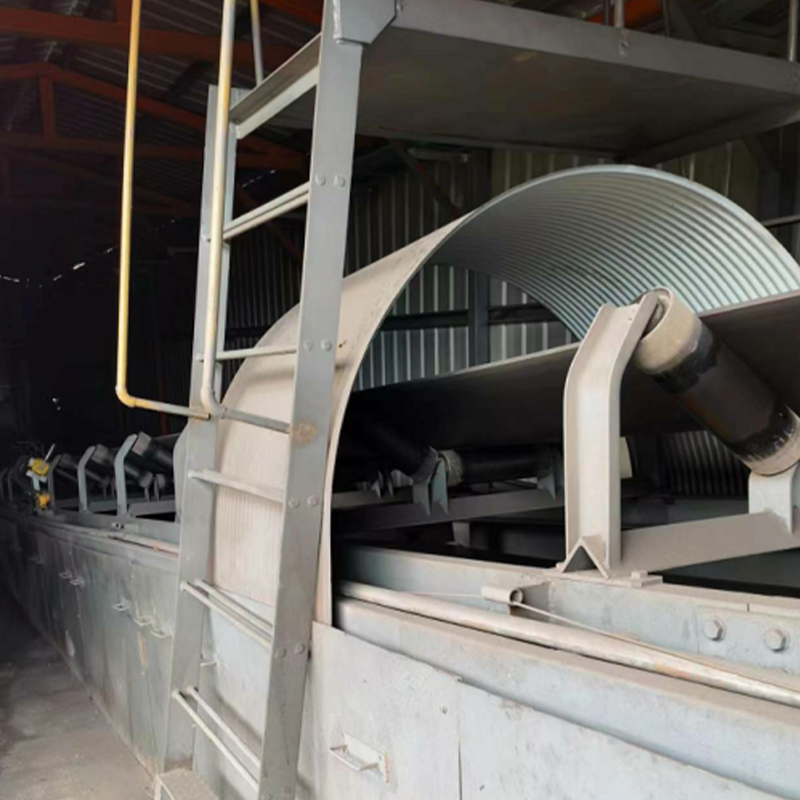
Specialized applications like blast furnace operations require custom-engineered solutions. A blast furnace taphole capture hood represents one of the most demanding capture challenges in heavy industry. These systems must withstand extreme temperatures, corrosive atmospheres, and intense dust loads while maintaining reliable performance. The engineering incorporates heat-resistant materials, reinforced structural support, and oversized filtration capacity to handle the severe operational environment.
Filtration Technology and Air Purification
Modern filtration systems employ multiple technologies to address different pollutant types. Mechanical filtration removes particulate matter through physical barrier action. Fibers within filter media create a maze-like structure that captures particles as air passes through, with smaller fibers targeting increasingly fine particles.
Activated carbon filtration addresses gaseous contaminants and odors. The porous structure of activated carbon provides enormous surface area for adsorption, trapping volatile organic compounds and chemical vapors. This technology proves essential in facilities processing or manufacturing chemical products.
Electrostatic precipitation offers an alternative approach for specific applications. Charged particles follow electric field lines and deposit on collection plates, eliminating the need for periodic filter replacement in some scenarios. This method reduces operational costs for facilities with consistent, predictable emission profiles.
High-efficiency particulate air (HEPA) filtration represents the gold standard for critical applications. These filters capture 99.97 percent of particles 0.3 micrometers and larger, providing pharmaceutical-grade air quality for sensitive manufacturing environments or facilities requiring maximum worker protection.
Key Benefits for Industrial Operations
Worker Health and Safety Protection
The primary benefit of comprehensive air extraction and filtration stems from direct health protection. Workers breathing clean air experience fewer respiratory illnesses, reduced allergic reactions, and improved overall wellness. This translates into lower absenteeism rates, reduced healthcare costs, and improved employee satisfaction and retention.
Long-term exposure to airborne contaminants causes cumulative damage to respiratory systems that may not manifest for years. Implementing protective measures prevents chronic diseases like occupational asthma, silicosis, and metal fume fever. Organizations demonstrate genuine commitment to employee wellbeing by prioritizing air quality management.
Regulatory Compliance and Legal Protection
Occupational safety agencies establish strict limits on airborne contaminant concentrations. Facilities failing to maintain compliant air quality face significant penalties, work stoppages, and potential legal liability. Industrial fume extraction systems ensure facilities consistently meet or exceed regulatory requirements without interruption to production schedules.
Documentation of air quality compliance provides legal protection and demonstrates due diligence in worker safety matters. In cases of employee illness or injury claims, proper air management systems provide compelling evidence of reasonable precautions. This protective documentation reduces workers compensation insurance costs and litigation risk.
Operational Efficiency and Cost Reduction
Contaminated air accelerates equipment wear, reduces tool lifespan, and compromises product quality. Precision machinery exposed to airborne abrasives experiences increased maintenance requirements and earlier replacement cycles. Proper air extraction prevents these losses and extends equipment service life.
Clean working environments improve employee focus, reduce fatigue, and enhance productivity. Workers in high-quality air environments demonstrate higher output rates and produce fewer defective products. These efficiency gains often recover the investment in air management systems within 18-24 months.
Energy-efficient extraction systems reduce operational costs through intelligent fan control and optimal filtration strategies. Modern systems incorporating variable speed drives and demand-based operation consume significantly less electricity than older fixed-speed alternatives, resulting in measurable utility bill reductions.
Environmental Responsibility
Emissions from industrial facilities affect surrounding communities and contribute to regional air quality degradation. Comprehensive extraction and filtration prevents pollutants from entering the external environment, reducing the facility's environmental footprint. This commitment to environmental stewardship enhances community relations and supports sustainability objectives.
Selecting the Right Fume Extraction Solution
Assessment of Facility Requirements
Proper system selection begins with comprehensive evaluation of facility characteristics and operational demands. The volume of air requiring treatment depends on facility size, number of emission sources, and intensity of production activities. Undersized systems fail to control emissions, while oversized systems waste energy and increase operational costs.
Identification of specific contaminants present in facility air guides filtration technology selection. Facilities generating fine dusts require different filter configurations than those producing chemical vapors or metal fumes. Mixing incompatible contaminant types may overwhelm filtration capacity or reduce filter effectiveness.
Temperature conditions within production areas significantly influence system design. High-temperature environments require specialized materials and ductwork insulation to maintain system integrity. Outdoor installations must account for climate variations and weather protection requirements.
Existing facility infrastructure, including roof structure, electrical capacity, and available floor space, constrains installation options. Early assessment of these factors prevents costly modifications or system redesign during implementation phases.
Comparative Analysis Framework
| Selection Factor | Key Considerations | Impact on Operations |
|---|---|---|
| Capture Efficiency | Hood design, proximity to source, airflow velocity | Determines effectiveness of contamination control |
| Energy Consumption | Fan size, speed control, filter resistance | Direct impact on operational costs |
| Maintenance Requirements | Filter life, accessibility, service intervals | Determines downtime and operational continuity |
| Installation Complexity | Space requirements, structural modifications, timeline | Affects implementation schedule and disruption |
| Long-term Reliability | Material quality, component redundancy, warranty | Reduces risk of system failure during critical operations |
Implementation Best Practices
Successful system deployment requires careful planning and execution. Begin with detailed documentation of current air quality conditions, including baseline measurements at representative locations throughout the facility. This baseline enables accurate assessment of system performance improvements after installation.
Engage facility personnel in the selection process, particularly operators and maintenance staff who understand practical constraints and operational workflows. Their insights identify potential conflicts with production processes and suggest design modifications that enhance both safety and productivity.
Phased implementation approaches minimize production disruption and allow personnel to adapt to new air management protocols gradually. Initial installation of capture systems in primary emission zones provides immediate benefits while planning continues for secondary areas. This staged approach also allows performance validation before expanding scope.
Comprehensive training for maintenance and operations staff ensures proper system usage and extends equipment life. Personnel must understand filtration capacity limits, replacement schedules, and troubleshooting procedures. Regular training updates maintain competency and prevent performance degradation from improper operation.
Advanced Features in Modern Extraction Systems
Intelligent Monitoring and Control Systems
Contemporary industrial fume extraction systems incorporate advanced sensors and automation capabilities. Real-time monitoring of air velocity, filter pressure drop, and particulate concentration enables proactive maintenance scheduling and prevents sudden system failures.
Automated alerts notify maintenance personnel when filter saturation approaches critical levels or airflow patterns deviate from optimal ranges. These notifications prevent emergency situations where contaminated air enters work zones due to filter blockage or equipment malfunction.
Data logging capabilities track system performance over extended periods, revealing trends in contaminant generation, filter consumption, and operational efficiency. Analysis of this data identifies opportunities for process improvements that reduce emissions at the source rather than simply capturing and filtering existing contamination.
Modular and Scalable Designs
Modern systems employ modular architecture that accommodates facility growth and operational changes. Rather than complete system replacement, modular components enable capacity expansion through sequential additions. This flexibility protects capital investment and adapts to evolving production requirements.
Scalable filtration capacity ranges from compact units for localized emission control to large-scale systems serving entire facilities. This scalability ensures optimal performance at any deployment scale without oversizing or undersizing system components.
Integration with Building Management Systems
Advanced systems interface with facility-wide building management and automation platforms. Integration enables coordinated operation between extraction systems and general ventilation, optimizing total facility air quality while minimizing redundant air handling. This coordination reduces overall energy consumption and operational complexity.
Centralized monitoring dashboards provide comprehensive visibility into air quality metrics across all facility zones. Personnel can identify problem areas quickly and allocate resources to maintain consistent air quality throughout the workspace.
Common Challenges and Solutions
Balancing Capture Efficiency with Workflow Disruption
Optimal capture hood placement sometimes conflicts with operational access requirements. Workers may resist systems that obscure sight lines or restrict movement. Solutions involve iterative design refinement that maintains capture effectiveness while minimizing workflow interference. Specialized hood geometries can achieve both goals through creative engineering.
Managing Variable Emission Rates
Production processes rarely generate consistent contaminant levels throughout work shifts. Peak emission periods may overwhelm filtration capacity, while low-emission periods result in oversized system operation. Modern systems address this challenge through demand-responsive fan speed control that automatically adjusts extraction rate based on real-time air quality measurements.
Preventing Filter Bypass and Leakage
Poorly maintained systems develop bypass paths where unfiltered air escapes to the work environment without passing through filter media. Regular inspection of filter seals, housing integrity, and ductwork connections prevents these failures. Quality installation and ongoing maintenance discipline ensure captured air receives complete filtration before recirculation.
Addressing Noise Generation
High-velocity airflow through ductwork and extraction equipment generates noise that affects workplace comfort. Duct silencers, acoustic liners, and vibration isolation mounts reduce noise to acceptable levels without compromising extraction performance. Proper system design anticipates noise concerns during planning phases rather than addressing them retroactively.
Maintenance Protocols and System Longevity
Preventive Maintenance Schedules
Systematic maintenance prevents unexpected failures and extends equipment service life. Recommended schedules include monthly visual inspections of hood integrity and visible ductwork, quarterly filter condition assessments, and annual professional evaluation of system performance. These intervals may adjust based on contaminant generation intensity and operating conditions.
Filter replacement timing depends on filter type, contaminant characteristics, and loading rates. Disposable filters typically require replacement when pressure drop reaches manufacturer specifications, generally 6-12 months into service life. Reusable filters require cleaning when saturation occurs, restoring performance for multiple service cycles.
Performance Monitoring
Baseline performance metrics establish the foundation for ongoing monitoring. Initial system commissioning should include documentation of airflow velocity at multiple points, capture efficiency measurements, and filter clean pressure drop values. Regular measurements comparing current values to baselines identify performance degradation requiring corrective action.
Differential pressure gauges across filter units provide simple visual indicators of filter saturation. Personnel develop familiarity with normal pressure ranges and recognize when gauges indicate impending replacement requirements. This simple monitoring technique prevents performance degradation between scheduled maintenance intervals.
Component Replacement and Upgrades
Eventually, even well-maintained systems require component replacement as wear accumulates. Fan bearings, motor brushes, and structural supports degrade over time and require professional replacement to maintain reliability. Budget planning should anticipate these replacement needs as normal operational expenses.
Upgrades to advanced sensors, improved filtration media, and enhanced fan designs extend system capability and reduce operational costs. Strategic upgrades maintain contemporary performance standards without complete system replacement, representing cost-effective investments in operational excellence.
Industry-Specific Applications and Requirements
Metal Fabrication and Welding Operations
Welding and metal cutting operations generate complex fume mixtures containing metal oxides, fluorides, and manganese compounds. Specialized filtration systems must address these specific contaminant profiles while accommodating the high temperatures associated with welding arcs. Robust material selection and oversized filter capacity ensure reliable performance in these demanding environments.
Chemical and Pharmaceutical Manufacturing
Chemical processing facilities generate vapors and aerosols requiring multi-stage filtration combining mechanical and activated carbon technologies. Some applications demand vapor recovery systems that prevent release of valuable compounds to the atmosphere. Regulatory requirements in pharmaceutical manufacturing establish strict air quality standards requiring high-efficiency filtration systems and comprehensive monitoring protocols.
Woodworking and Furniture Manufacturing
Fine wood dust presents unique capture challenges due to low density and high flammability. Extraction systems in woodworking operations must incorporate explosion-prevention features and specialized filter designs that prevent dust ignition. Capture hood placement at individual machines rather than centralized systems often provides superior performance for scattered emission sources.
Food Processing Operations
Food production facilities generate organic dust and cooking vapors requiring specialized hoods designed for frequent washdown cleaning. Stainless steel construction and sealed electrical components prevent corrosion in wet environments. Oil mist elimination systems address vapors from frying and cooking processes, preventing filter saturation and maintaining consistent performance.
Semiconductor and Electronics Manufacturing
Cleanroom manufacturing environments demand the highest air quality standards. Fume extraction systems in these facilities incorporate HEPA filtration, laminar flow characteristics, and continuous monitoring to maintain particle counts well below critical thresholds. Maintenance protocols must prevent any contamination introduction during filter replacement or service activities.
Comparing Extraction Approaches and Technologies
Performance Metrics Comparison
Evaluation frameworks comparing different extraction approaches should quantify capture efficiency, energy consumption per unit volume of air processed, filter lifecycle costs, and maintenance time requirements. Initial capital investment represents only one component of true total cost ownership. Systems with lower purchase prices may generate higher operating costs through excessive energy consumption or frequent filter replacement.
Hybrid Implementation Strategies
Many facilities benefit from hybrid approaches combining centralized and localized systems. Primary emission sources receive dedicated capture through specialized localized units, while secondary areas benefit from general facility ventilation enhanced by the centralized system. This hybrid strategy optimizes cost-effectiveness while maintaining superior air quality where worker exposure risk proves highest.
Return on Investment and Cost Analysis
Direct and Indirect Cost Savings
Air quality improvements generate measurable financial benefits through multiple pathways. Reduced worker illness translates to lower absenteeism, reducing the productivity losses associated with shift coverage and training replacement personnel. Healthcare cost reductions emerge from decreased respiratory illness and occupational disease incidents among facility personnel.
Equipment protection benefits extend equipment service life significantly. Reduced contamination exposure slows wear accumulation on precision machinery, delaying replacement cycles by years and reducing maintenance expenses. Cutting tools maintain sharpness longer in clean air environments, reducing consumable costs.
Product quality improvements reflect enhanced worker focus and reduced environmental interference with precision manufacturing. Reduced scrap rates and rework requirements directly improve profitability and competitiveness in quality-sensitive markets.
Regulatory Compliance Value
Facilities maintaining compliant air quality avoid penalty assessments, work stoppages, and legal liability associated with regulatory violations. The value of uninterrupted operations alone often justifies substantial investment in air management systems. Insurance premium reductions for facilities with exemplary safety records represent additional financial benefits.
Calculation Framework
Typical return on investment calculations should include:
System installation and commissioning costs
Annual operating costs including energy and filter replacement
Absenteeism reduction value based on worker illness prevention
Healthcare cost reduction estimates
Equipment lifecycle extension benefits
Product quality improvement and scrap reduction value
Regulatory compliance assurance value
Most facilities experience positive return on investment within 2-3 years from system installation, with benefits accumulating throughout the system's operational life extending 10-15 years or longer.
Emerging Trends and Future Directions
Sustainable and Energy-Efficient Technologies
Next-generation systems emphasize environmental responsibility and operational efficiency. Variable frequency drives with sophisticated control algorithms minimize energy consumption while maintaining consistent air quality. Recovery systems capturing and reusing filtered air reduce the energy demands of facility climate control systems.
Renewable energy integration enables some facilities to power extraction systems using solar or wind energy, eliminating operational emissions entirely. Battery storage systems smooth energy demands and reduce peak load charges from electrical utilities.
Artificial Intelligence and Predictive Maintenance
Machine learning algorithms analyze performance data to predict component failures before they occur, enabling maintenance scheduling that prevents emergency situations. Predictive models optimize filter replacement timing, reducing both filter consumption and maintenance labor requirements.
AI systems learn facility emission patterns and automatically adjust extraction parameters to maintain optimal air quality while minimizing energy consumption. These adaptive systems continuously improve performance without manual adjustment or human intervention.
Integration with Industrial Internet of Things
Industrial IoT connectivity enables remote monitoring and control of extraction systems across multi-facility operations. Centralized management teams monitor air quality metrics simultaneously across numerous locations, identifying problems and coordinating maintenance activities efficiently. Cloud-based data storage enables comprehensive historical analysis supporting strategic decision-making.
Advanced Filtration Materials
Nanotechnology-based filtration materials promise improved capture efficiency while reducing pressure drop and extending filter service life. Antimicrobial filtration media prevent biological contamination and extend filter usefulness in sensitive environments. Self-cleaning filter designs incorporating electrostatic or mechanical regeneration reduce filter replacement frequency and operational costs.
Frequently Asked Questions
Q1: What determines the size of fume extraction system required for my facility?
System sizing depends on facility volume, number and intensity of emission sources, specific contaminant types present, and desired air change rates. Professional assessment involves measuring emission rates at representative conditions and calculating required airflow to maintain exposures below regulatory limits. Most facilities benefit from systems providing 4-10 air changes per hour depending on application intensity.
Q2: How often should filters be replaced in an extraction system?
Filter replacement intervals depend on filter type, contaminant loading rates, and system design parameters. Disposable filters typically require replacement 6-12 months after installation, though high-volume applications may require quarterly changes. Reusable filters can be cleaned and reinstalled multiple times, extending their economic life. Pressure drop monitoring provides the most accurate indicator of actual replacement requirements for your specific operating conditions.
Q3: Can fume extraction systems be retrofitted into existing facilities?
Yes, most facilities can accommodate properly designed extraction systems through retrofit installation. Retrofit challenges depend on existing infrastructure, available space, and structural limitations. Some facilities require ductwork routing along exterior walls or through existing conduit pathways. Professional engineers evaluate specific facility conditions and recommend optimal retrofit solutions that minimize production disruption during installation.
Q4: What is the typical lifespan of an industrial fume extraction system?
Well-maintained extraction systems typically operate reliably for 10-15 years before major component replacement becomes necessary. Some components like filters require periodic replacement throughout the system's life, while motors, fans, and structural elements generally last the full operational period with proper maintenance. Regular inspections and timely component replacement extend effective system life beyond initial design expectations.
Q5: How do extraction systems impact facility noise levels?
Modern systems generate 75-85 decibels under normal operation, comparable to heavy traffic noise. Sound levels depend on fan speed, ductwork design, and silencing features incorporated during installation. Acoustic liners in ductwork, vibration isolation mounts, and low-speed fan operation reduce noise generation. Professional acoustic assessment during design phases prevents unexpected noise problems after installation.
Q6: What are the energy consumption implications of running an extraction system continuously?
Energy consumption depends on system size, fan speed, and filtration resistance. Typical mid-size industrial systems consume 3-10 kilowatts during normal operation. Variable speed drives reduce energy consumption during low-emission periods. Annual energy costs range from 5,000 to 50,000 dollars depending on system scale, geographic electricity rates, and operational hours. Energy-efficient system design often justifies modest additional capital investment through operational cost reduction.
Q7: Can extraction systems handle explosive or flammable dust environments?
Standard extraction systems may create static electricity or spark risks in explosive dust environments, making them unsuitable for unmodified use. Specialized explosion-proof systems incorporate grounding provisions, non-sparking materials, and pressure relief designs that safely contain dust explosions if ignition occurs. Careful equipment selection and installation protocols ensure safe operation even in hazardous environments.
Q8: How do I know if my current extraction system is performing adequately?
Performance verification involves measuring airflow velocity at capture hoods, confirming pressure drops remain within acceptable ranges, and conducting air quality sampling at work locations. Comparison of current measurements to baseline values established during system commissioning identifies performance degradation. Many systems incorporate differential pressure gauges providing simple visual performance indicators accessible to facility personnel.