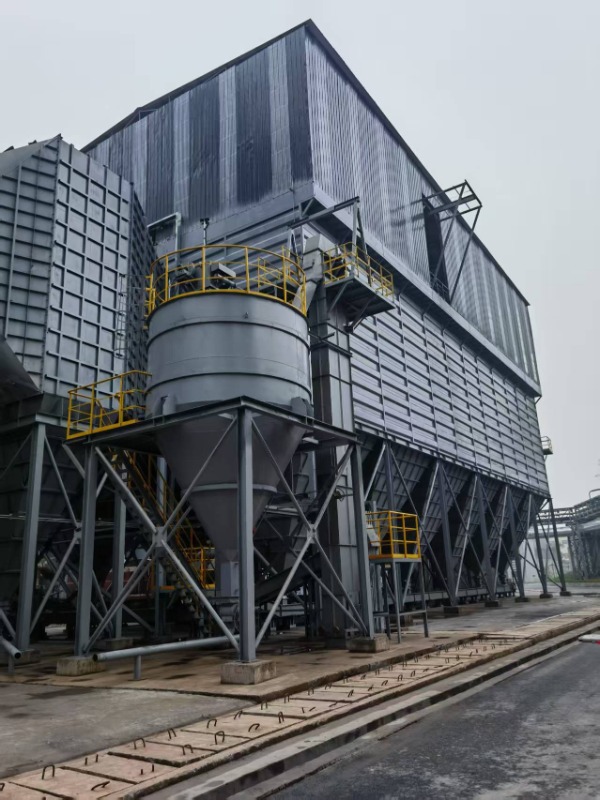
Industrial facilities generate significant amounts of dust and particulate matter during manufacturing, processing, and material handling operations. Without proper control, these emissions damage equipment, reduce product quality, create unsafe working conditions, and lead to environmental compliance violations. The solution lies in selecting and implementing an appropriate dust collector system tailored to your facility's unique requirements.
Why Dust Control Matters in Industrial Operations
Uncontrolled dust poses multiple risks to industrial operations:
Worker health hazards including respiratory diseases and long-term lung damage
Equipment degradation and accelerated maintenance costs
Production quality degradation and product contamination
Fire and explosion risks in facilities handling combustible dust
Environmental violations and regulatory penalties
Reduced operational efficiency and increased energy consumption
Studies indicate that facilities implementing proper dust control systems reduce maintenance costs by 20-35%, improve air quality by 90-99%, and enhance worker safety compliance significantly.
Understanding Different Types of Dust Collector Systems
The market offers several dust collection technologies, each suited to different applications, dust characteristics, and operational requirements. Understanding the strengths and limitations of each type is essential for making an informed decision.
Baghouse Filtration Systems
Baghouse collectors use fabric filter bags arranged vertically in a housing to capture dust particles from air streams. As air passes through the bags, particles accumulate on the filter surface while clean air exits.
Collection efficiency: 99-99.5%
Initial investment: Moderate to high
Operating costs: Low to moderate
Best for: High-volume applications with varying dust loads
Typical applications: Foundries, metal processing, cement plants, steel mills
Cartridge Dust Collectors
Cartridge collectors use pleated filter cartridges instead of traditional bags. The pleated design provides more surface area in a compact footprint, enabling higher air flow capacity in smaller spaces.
Collection efficiency: 99-99.8%
Initial investment: Moderate
Operating costs: Moderate
Best for: Space-constrained facilities requiring high efficiency
Electrostatic precipitators charge dust particles electrostatically, then collect them on oppositely charged plates. This technology requires no filter media replacement and handles sticky or wet dust better than mechanical filtration.
Collection efficiency: 95-98%
Initial investment: High
Operating costs: Low (no filter replacement)
Best for: Continuous operations with sticky dust or fumes
Typical applications: Chemical plants, food processing, fume extraction
Wet Dust Collection Systems
Wet collectors use water or liquid spray to capture dust particles, wet the dust, and prevent re-entrainment. These systems excel in high-moisture environments and when handling combustible dust.
Collection efficiency: 90-95%
Initial investment: Moderate to high
Operating costs: High (water treatment, disposal)
Best for: Combustible dust, wet processes, high-moisture environments
Typical applications: Grain handling, chemical processing, steel mills
Dust Collection Across Different Industries
Each industry faces unique dust challenges requiring specialized solutions. Understanding industry-specific requirements helps in selecting the most appropriate system.
Steel and Metal Manufacturing
Steel mills face multiple dust sources including converter operations, blast furnace tapping, slag handling, and steel rolling. These facilities often operate 24/7 and require highly reliable systems handling ferrous dust at elevated temperatures. Converter primary dust removal demands systems capturing fine particles while managing heat and chemical reactivity. Many steel facilities implement integrated solutions combining multiple collection technologies—baghouse systems for general dust, electrostatic precipitators for fume control, and wet collectors for slag handling.
Foundry Operations
Metal foundries generate dust during core making, molten metal pouring, shake-out operations, and finishing. Foundry dust contains metallic particles, silica, and binders requiring efficient capture. The combination of different dust sources across the facility often necessitates a multi-zone approach with cartridge collectors near source points and centralized baghouse systems for general ventilation capture. Safety against combustible dust explosions is paramount in foundry dust collection design.
Cement Production
Cement manufacturing produces dust at virtually every stage—raw material handling, grinding, kiln feed, and clinker cooling. Cement dust is extremely fine and abrasive, demanding high-efficiency collection systems. Many cement plants deploy staged collection approaches, with primary collection near generation points and secondary baghouse systems capturing kiln exhaust and raw mill emissions. The harsh nature of cement dust requires specialized filter media and frequent maintenance.
Pharmaceutical Manufacturing
Pharmaceutical facilities face stringent air quality requirements, with dust collection systems integral to maintaining clean room conditions and worker safety. Active pharmaceutical ingredient (API) manufacturing generates fine, potent dust requiring containment to prevent cross-contamination and environmental release. Cartridge collectors and specialized baghouse systems with pollution control features are common in this sector, along with fume extraction systems for volatile organic compounds.
Automotive and Parts Manufacturing
Automotive facilities generate dust from machining, grinding, finishing, and assembly operations. Distributed collection systems with individual collector units at each workstation, combined with central systems for facility-wide ventilation, provide comprehensive coverage. Metalworking dust collection requires efficient separation of fine metal particles and oil mist, often combining mechanical and electrostatic technologies.
Baghouse Dust Collector manufactured by Tiankang
Key Factors in Selecting a Dust Collector System
Choosing the right system requires careful evaluation of multiple technical and operational factors. A systematic approach to assessment ensures optimal performance and long-term value.
1. Dust Characteristics
Different dust types behave very differently in collection systems. Understanding your dust is fundamental to selection:
Particle size distribution: Finer particles require higher-efficiency collection and more frequent filter maintenance
Density and bulk density: Heavy dusts may require reinforced collection bins and discharge systems
Moisture content: Hygroscopic dusts require special handling; wet collectors may be necessary for high-moisture applications
Electrostatic properties: Highly charged dust demands antistatic filter media and grounding systems
Chemical reactivity: Reactive dusts like magnesium or aluminum require special precautions and possibly wet collection
Stickiness: Tacky dust may blind filters quickly; electrostatic collection often performs better
2. Air Flow Requirements
The volume of air requiring treatment directly drives system size and type selection. Calculations must account for:
Dust generation rate at each emission point
Capture velocity requirements (air speed needed to pull dust into the system)
Ductwork losses and layout complexity
Future facility expansion plans
Part-load operation scenarios
Undersizing a system leads to inadequate collection and regulatory violations. Oversizing increases capital and operating costs unnecessarily. Professional assessment of air flow requirements is essential.
3. Space Constraints
Available space significantly influences equipment selection. Facilities with limited floor space may prefer cartridge collectors with their compact design over traditional baghouse systems. Vertical space availability, ceiling height, and equipment accessibility for maintenance must all be considered during layout planning.
4. Operating Schedule and Reliability
Continuous production facilities require highly reliable systems with minimal downtime for maintenance. This influences technology selection—electrostatic precipitators offer lower maintenance interruptions, while baghouse systems require regular filter replacement. Backup systems or redundant collection points may be necessary for critical operations.
5. Regulatory Compliance Requirements
Environmental regulations specify maximum permitted emission levels (measured in milligrams per cubic meter of exhaust air). Different industries and regions have varying standards. Your collection system must reliably achieve required efficiency levels under all operating conditions, including startup and shutdown phases.
6. Budget Considerations
Total cost of ownership extends beyond equipment purchase price:
Capital investment: Equipment, ductwork, installation, controls
Operating costs: Electricity for fan operation, filter replacement, water usage
A system with higher capital cost but lower operating expenses may deliver better long-term value than a cheaper initial purchase.
Step-by-Step System Evaluation and Selection
Phase 1: Facility Assessment
Begin with a comprehensive facility audit documenting all dust generation points, operating schedules, production volumes, and environmental conditions. Collect samples of dust generated, analyze particle size distribution, moisture content, and special characteristics. Interview operations and maintenance staff about current problems, downtime events, and maintenance burdens. Document current environmental compliance status and any violations.
Phase 2: Specification Development
Based on assessment data, develop detailed specifications including:
Required collection efficiency (typically 99% for general industries, higher for sensitive applications)
Required air flow capacity (in cubic feet per minute or equivalent metric)
Maximum allowable pressure drop across the system
Expected filter life (hours between replacements)
Outlet air quality standards to be met
Equipment footprint and height constraints
Noise level limitations
Integration requirements with existing systems
Phase 3: Solution Evaluation
Request detailed proposals from qualified system providers. Evaluate each option considering technical performance, proven track record in similar applications, equipment warranty, service and support capabilities, and total cost of ownership calculations. Reference checks with existing customers in similar industries provide valuable validation.
Phase 4: Installation and Commissioning
Proper installation determines actual system performance. Critical elements include correct ductwork sizing and routing, proper filter housing seals, accurate control system calibration, and thorough testing before production operation. Many system failures result from installation shortcuts or inadequate commissioning procedures rather than equipment defects.
Phase 5: Operation and Optimization
Even well-designed systems require ongoing optimization. Monitor performance metrics including pressure drop, emissions levels, filter life, and maintenance requirements. Adjust operating parameters based on actual performance data. Many facilities discover ways to reduce energy consumption or extend filter life through operational refinements.
Understanding Key Performance Metrics
Professional evaluation of dust filter systems requires understanding critical performance indicators:
Collection Efficiency
Collection efficiency measures the percentage of dust particles removed from the air stream. An efficiency of 99.9% means only 0.1% of particles pass through untreated air. Higher efficiency systems cost more but deliver superior environmental performance and worker protection. The required efficiency depends on the dust type, hazard level, and regulatory requirements.
Pressure Drop
Pressure drop measures the resistance to air flow created by the filter media. As filters accumulate dust, pressure drop increases. Excessive pressure drop requires the fan to work harder, consuming more electricity. Collection systems are typically designed to operate until pressure drop reaches a maximum threshold, then filter cleaning or replacement occurs. Understanding pressure drop helps optimize maintenance schedules and energy consumption.
Air Flow Capacity
Measured in cubic feet per minute (CFM) or cubic meters per hour (CMH), air flow capacity determines how much dusty air the system can process. Capacity must match facility requirements throughout the operating range. Systems that are undersized cannot maintain required collection, while oversized systems waste energy.
Filter Media Life
Filter life, measured in operating hours or years, indicates how long filter elements can operate before requiring replacement. Life varies based on dust concentration, moisture content, and operating temperature. High-quality filter media with specialized coatings often delivers longer life, justifying higher material costs through reduced replacement frequency.
Essential Components of Complete Dust Collection Systems
A professional dust control system comprises multiple integrated components working together:
Air Intake and Ductwork
Properly designed ductwork ensures adequate air velocity for dust capture without excessive pressure drop. Capture hoods must be positioned and sized correctly to pull dust from generation points. Ductwork diameter, routing angles, and connection points all influence system performance. Leak-free connections are essential to prevent fugitive emissions and maintain system efficiency.
Particulate Collection Chamber
The main collection chamber housing contains filter media (bags or cartridges) or collection plates. Chamber design affects particle residence time, turbulence, and collection performance. Adequate chamber volume allows velocity reduction, enabling particles to settle. Well-designed chambers separate large particles before they reach filter media, extending filter life.
Fan and Motor
Powerful fans pull air through the system and overcome resistance from filters and ductwork. Fan selection requires matching blade design and speed to the specific dust being collected. Motor sizing accounts for variable loads as filters accumulate dust, requiring increased fan effort. Variable frequency drives allow fan speed adjustment, reducing energy consumption during low-demand periods.
Filter Cleaning Mechanism
Automated cleaning systems maintain reasonable pressure drop throughout operation. Pulse jet systems send compressed air bursts through filter media, dislodging accumulated dust. Reverse air systems reverse the air flow direction to clean filters. Some systems use mechanical shakers. The cleaning mechanism must operate effectively without damaging filter media.
Dust Discharge System
Collected dust must be safely conveyed from the collection hopper to disposal or recovery. Rotary airlocks provide controlled discharge while maintaining system seal. Conveying lines must accommodate dust flow without bridging or caking. Explosion-proof equipment may be required for combustible dusts.
Controls and Monitoring
Modern systems include sensors monitoring pressure drop, temperature, and vibration. Automated controls activate filter cleaning, adjust fan speed, and alert operators to maintenance needs. Integration with facility management systems provides real-time performance visibility and historical data for optimization.
Installation Best Practices and Considerations
Proper installation is critical to realizing designed system performance. Key installation considerations include:
Foundation and structural support: Heavy equipment requires adequate structural support. Vibration isolation prevents transmission of equipment vibration to building structure.
Electrical supply: Adequate electrical capacity with proper safety disconnect switches and emergency stop systems.
Compressed air supply: For pulse jet systems, clean, dry compressed air is essential for reliable filter cleaning.
Sealing and dampers: Access doors must seal completely to prevent bypass. Dampers control air distribution across multiple collection zones.
Safety systems: Explosion relief vents, inert gas injection systems, or suppression systems may be required for combustible dust handling.
Operator training: Staff must understand system operation, maintenance requirements, and emergency procedures.
Operating and Maintenance Best Practices
Regular Maintenance Requirements
Preventive maintenance extends equipment life and maintains performance. Essential maintenance tasks include:
Filter element inspection and replacement on schedule
Filter housing seal inspection and replacement
Compressed air line cleaning and dryer maintenance
Fan bearing lubrication and inspection
Motor inspection and electrical connection verification
Dust hopper inspection and cleaning
Control system testing and sensor calibration
Performance Monitoring
Establish baseline performance metrics and monitor for changes. Regular monitoring of pressure drop trends, filter life data, and outlet air quality helps identify degrading performance before problems become severe. Many emerging problems can be corrected through adjusted maintenance schedules or operational parameters before they cause system failures.
Dust Disposal and Recovery
In some industries, collected dust has value for recycling or secondary processing. Dry dust from baghouse systems can be recovered and reused in many applications. Wet collector sludge requires water treatment before disposal. Understanding dust disposal options and costs is important in long-term system economics.
Emerging Technologies and Future Trends
The dust collection industry continues to evolve with new technologies improving performance and sustainability:
Advanced Filter Media
Nano-fiber technology produces extremely fine filter media enabling higher efficiency and longer service life. Hydrophobic and oleophobic coatings improve performance with moist or oily dusts. Self-cleaning filter surfaces reduce maintenance needs while extending element life.
Intelligent Monitoring Systems
IoT-enabled sensors provide continuous real-time monitoring of system performance. Artificial intelligence algorithms analyze performance data to predict maintenance needs before failures occur, optimizing maintenance scheduling and reducing unplanned downtime.
Energy Efficiency Optimization
Variable frequency drives and smart controls reduce energy consumption during partial-load operation. Some modern systems reduce energy consumption by 30-50% compared to conventional fixed-speed designs through intelligent fan speed management.
Integration with Production Systems
Modern facilities increasingly integrate dust collection with overall production control systems, enabling coordinated management of multiple systems and optimization of overall facility performance.
Frequently Asked Questions
Q1: How often should filter elements be replaced in a dust collector system?
Filter replacement frequency depends on dust concentration, filter media quality, and operating schedule. Typical replacement intervals range from 6 months to 3 years. High-quality filter media with advanced coatings can achieve longer service life, reducing replacement frequency and long-term costs. Monitor pressure drop; when it reaches the maximum design threshold, filter replacement becomes necessary.
Q2: Can a dust collector system achieve collection efficiency of 99.99%?
Yes, but with important qualifications. Modern high-efficiency cartridge collectors and baghouse systems with advanced filter media can achieve 99.9% to 99.99% efficiency under ideal conditions. However, achieving this efficiency requires careful system design, proper installation, excellent maintenance, and operation within design parameters. Real-world performance depends on dust characteristics, operating conditions, and maintenance practices.
Q3: What is the total cost of ownership for a dust collector system?
Total cost includes capital investment (equipment, installation, ductwork) plus operating costs (electricity, filter replacement, maintenance) plus disposal costs. Over a 10-year period, operating costs typically exceed capital costs, particularly for large systems. A system with higher capital cost but lower operating expenses often delivers better long-term value. Professional cost analysis should consider all these factors.
Q4: Can a single dust collector system handle both fine powder and coarse particles?
Generally, a single system can handle mixed dust types, but performance may be compromised compared to optimized single-stream systems. Mixed dust streams complicate filter selection, maintenance scheduling, and cleaning cycle timing. In many facilities, using separate systems optimized for each dust stream delivers better overall performance than a single compromise design.
Q5: How do I know if my facility needs a dust collection upgrade?
Several indicators suggest an upgrade may be warranted: difficulty maintaining air quality standards, filter clogging occurring too frequently, high equipment maintenance costs, employee health concerns, regulatory compliance challenges, or significant energy consumption. A professional facility audit identifies improvement opportunities and quantifies potential benefits.
Q6: What safety features are necessary for combustible dust handling?
Combustible dust handling requires multiple safety systems: explosion relief vents to safely release pressure from deflagrations, spark detection and suppression systems to prevent ignition sources, inert gas injection to displace oxygen in collection chambers, and continuous monitoring of static electricity. Equipment must be grounded properly. A dust hazard analysis determines which specific safeguards apply to your operation.
Q7: How does system performance vary with seasonal temperature changes?
Temperature affects filter media performance, particularly if the system operates outdoors or in unheated facilities. Cold air increases air density, reducing fan capacity unless motor power increases correspondingly. Warm air has the opposite effect. High humidity can affect certain filter media and dust stickiness. System design must account for seasonal variations in your location.
Conclusion: Making the Right Choice for Your Facility
Selecting an appropriate dust collection system requires balancing multiple technical, operational, and economic factors. No single system works optimally for every application. The right choice emerges from systematic evaluation of your specific facility requirements, careful analysis of dust characteristics, realistic assessment of budget constraints, and professional guidance from experienced specialists.
Begin with a thorough facility assessment documenting dust generation points, quantities, and characteristics. Develop detailed technical specifications based on regulatory requirements, worker safety standards, and production reliability needs. Request proposals from qualified system providers and evaluate them comprehensively, not just on initial cost. Reference existing installations in similar applications to validate claimed performance.
Remember that the lowest-cost system rarely delivers the best long-term value. Investing in properly designed equipment with high-quality components, excellent installation practices, and comprehensive support relationships typically results in better reliability, longer service life, lower operating costs, and superior environmental performance.
Your dust collection system represents a significant investment in worker safety, regulatory compliance, and operational reliability. Take the time to make the right choice, and your facility will enjoy cleaner air, safer working conditions, and cost-effective operations for years to come.



 English
 Français
 عربى
عربى 简体中文
简体中文