English
 Français
 عربى
عربى 简体中文
简体中文


The Role of Bag Filters in Preventing Air Pollution: Key Benefits and Applications
HOME / NEWS / Industry News / The Role of Bag Filters in Preventing Air Pollution: Key Benefits and Applications
 By Admin
Content
Air pollution remains a significant global concern, especially in industrial environments where the emissions of particulate matter, harmful gases, and toxins are frequent. Effective air pollution control systems are crucial to ensuring that industries comply with environmental standards, protect workers’ health, and minimize their environmental footprint.
Bag filters are a type of air pollution control equipment that removes solid particles from exhaust gases through filtration. These filters typically consist of fabric bags that capture particles as the exhaust gas passes through them. The mechanism of bag filtration is simple: as gas enters the filter, the particles are trapped by the fabric while the cleaned air is allowed to pass through.
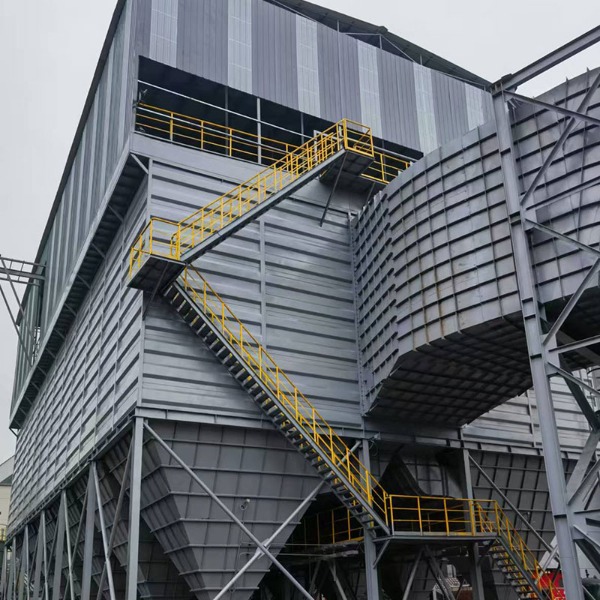
In the context of dust control systems, bag filters are employed to reduce airborne particulate emissions in various industrial processes. For example negative pressure back-blowing bag dust collector, which enhances the efficiency and lifespan of bag filters by periodically cleaning them with high-pressure air. This prevents clogging, ensuring continuous operation without frequent manual intervention.
Bag filters offer several advantages in air pollution control, making them an essential component of modern exhaust gas purification systems. Below are the key benefits of using bag filters in industrial air pollution control systems:
One of the main reasons bag filters are widely used in waste gas treatment is their high efficiency in removing particulate matter. The fabric of the bags is specifically designed to trap particles of varying sizes, from fine dust to larger particulate matter. Depending on the type of fabric and filtration technology, bag filters can capture particles as small as 0.3 microns with efficiencies greater than 99%. This makes them ideal for industries like steel rolling, scrap metal smelting, and other sectors where fine particulate matter is prevalent.
Bag filters are incredibly versatile and can be tailored to meet the specific needs of various industries. In industries like steel rolling, metallurgy, and ore troughs, the type of particulate matter and the volume of exhaust gas can vary significantly. Bag filters are adaptable to these varying conditions, with different fabric types, filtration mechanisms, and sizes available to accommodate different industrial processes. For example, industries that generate high-temperature exhaust gases may require specially designed bags made from heat-resistant fabrics.
Compared to other air filtration systems, bag filters generally have lower operational and maintenance costs. Once installed, they require minimal maintenance and can operate efficiently for extended periods, provided they are properly maintained. The negative pressure back-blowing bag dust collector system further reduces operational costs by automating the cleaning process, preventing excessive wear and tear on the filters and improving their longevity.
By effectively capturing particulate matter and pollutants, bag filters contribute significantly to reducing the environmental impact of industrial operations. They help prevent the release of harmful substances into the air, which can cause respiratory issues, environmental degradation, and contribute to broader environmental concerns such as global warming. For industries like scrap metal smelting and ore troughs, where the emission of fine metal dust and other hazardous materials is common, bag filters provide an effective solution to minimize harmful air pollution.
Bag filters are used in a wide range of industrial applications where air pollution control is a priority. The following are some key industries that benefit from the use of bag filters:
The steel rolling industry involves high-temperature processes that generate significant amounts of dust and particulate matter. These pollutants can pose health risks to workers and contribute to environmental pollution. Bag filters are used to capture the dust generated during processes such as casting, forging, and rolling.
The metallurgy industry encompasses various processes like smelting, refining, and casting, all of which produce large volumes of particulate matter and gases. For example, in processes such as scrap metal smelting, the exhaust gases can contain harmful particles such as heavy metals and carbon-based compounds. Bag filters are employed to capture these harmful particles before they are released into the environment, ensuring compliance with air quality standards.
The ore trough industry, which involves the transportation and processing of raw ores, generates large amounts of dust. This dust can be a significant source of air pollution if not properly controlled. Bag filters are used in dust control systems to remove particulate matter from the exhaust gases of ore processing facilities. The filtration process ensures that the air released from these facilities is clean, reducing the environmental impact of mining operations.
Scrap metal smelting involves melting down metal scrap to produce new metal products. This process releases various pollutants, including metal dust and smoke, which can be harmful if inhaled. Bag filters are essential in capturing these pollutants and preventing them from entering the atmosphere.
A: Bag filters are more efficient than cyclone dust collectors in capturing fine particulate matter. Cyclone dust collectors are better suited for larger particles, while bag filters excel in removing fine dust and airborne pollutants.
A: The frequency of bag filter replacement depends on several factors, including the type of particles being filtered and the operational conditions. On average, bag filters may need to be replaced every 1 to 3 years.
A: Yes, bag filters can be designed to withstand high temperatures, particularly in industries like steel rolling and metallurgy. Heat-resistant fabrics are used to ensure the filters can operate effectively in such environments.
A: Routine maintenance of bag filters includes checking for filter bag damage, cleaning the system, and ensuring the system is operating normally. Replacing worn-out bags is also essential.
A: Bag filters capture particulate matter and harmful pollutants from exhaust gases, preventing them from being released into the atmosphere. This plays a significant role in air pollution control and helps industries comply with environmental regulations.
The bag filters are indispensable components of air pollution control systems across various industries. Their ability to efficiently remove particulate matter and pollutants makes them essential for maintaining air quality and minimizing the environmental impact of industrial processes.