English
 Français
 عربى
عربى 简体中文
简体中文


The Ultimate Guide to Industrial Dust Collection Systems
The Ultimate Guide to Industrial Dust Collection Systems
 By Admin
Content
- 1 Understanding Industrial Dust Collection: Why It Matters
- 2 Types of Industrial Dust Collection Technologies
- 3 Key Components of an Effective Dust Collection System
- 4 Dust Collector Sizing: The Air-to-Cloth Ratio
- 5 Combustible Dust Safety and NFPA 660 Compliance
- 6 Regulatory Requirements and OSHA Standards
- 7 Designing and Implementing Your Dust Collection Strategy
- 8 Maintenance and Optimization Strategies
- 9 Measuring and Evaluating System Performance
- 10 Emerging Technologies in Dust Collection
- 11 Comparative Analysis: Baghouse vs. Cartridge Systems
- 12 Cost Analysis and Return on Investment
- 13 Common Problems and Solutions
- 14 Frequently Asked Questions
- 14.0.1 Q1: What is the typical lifespan of dust collection filters?
- 14.0.2 Q2: Can existing dust collection systems be retrofit with combustible dust safety features?
- 14.0.3 Q3: How often should dust collection systems be serviced?
- 14.0.4 Q4: What air velocity is required in ductwork to prevent dust settling?
- 14.0.5 Q5: Are dust collection systems required by regulation?
- 14.0.6 Q6: Can one collector handle multiple dust types?
- 14.0.7 Q7: What maintenance can facility staff perform versus professional service?
- 14.0.8 Q8: How is dust collection system efficiency measured?
Understanding Industrial Dust Collection: Why It Matters
Industrial dust is far more than an aesthetic nuisance. Particulate matter suspended in manufacturing environments poses serious health risks, equipment damage, and fire hazards. Effective dust control system implementation is essential for any facility handling fine particles, powders, or aerosol byproducts.
The consequences of inadequate dust management are severe. Respiratory diseases, equipment corrosion, reduced visibility, and catastrophic explosions stemming from combustible dust represent millions in potential liability and lost productivity annually. A properly designed dust collection system addresses these risks systematically.
Types of Industrial Dust Collection Technologies
Modern facilities employ several dust collection approaches, each suited to different operational contexts. Understanding these options is the first step toward selecting the right system for your needs.
Baghouse Dust Collectors
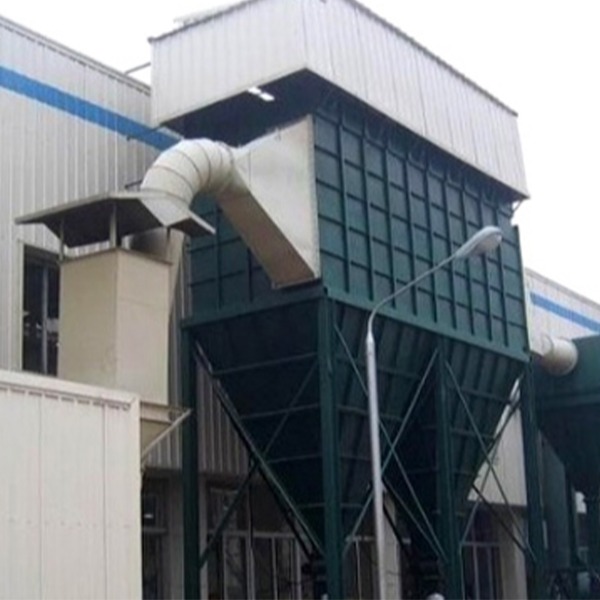
Baghouse collectors represent the industry standard for high-volume dust capture. These systems use fabric filter bags suspended in a housing unit. As contaminated air passes through, dust accumulates on the bag surfaces, while clean air exits to the facility. The collected particles fall into a hopper below for removal.
Baghouse systems excel in applications requiring continuous operation and handling of substantial dust loads. Reverse pulse cleaning mechanisms periodically blow compressed air backward through the bags to dislodge accumulated material, maintaining efficient filtration throughout the operational cycle. This design ensures minimal downtime and consistent air quality.
Cartridge Dust Collectors
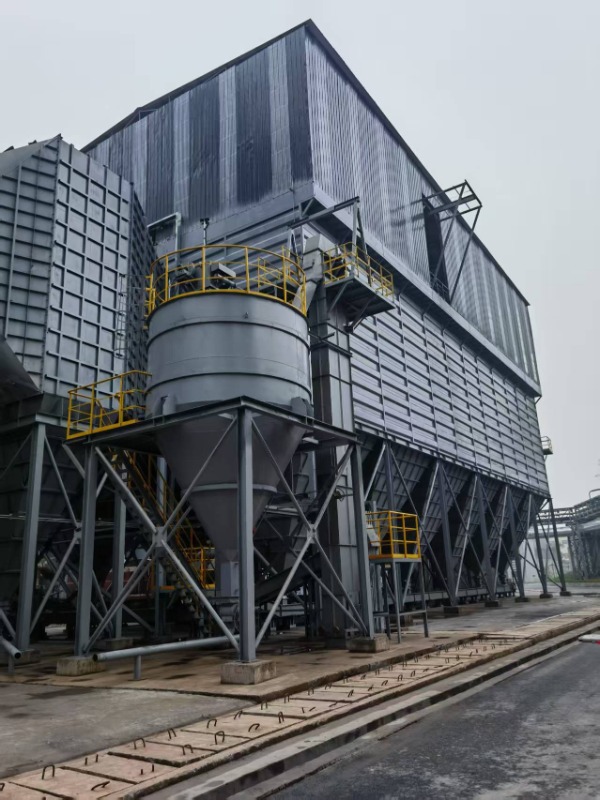
Cartridge-style filtration has gained prominence in modern industrial settings. These cylindrical filter elements operate on similar principles to baghouses but offer several advantages. Cartridge collectors occupy less floor space, provide higher filtering efficiency, and allow for easier maintenance and filter replacement.
The cartridge dust collector design uses multiple cartridges arranged vertically or horizontally within a compact housing. When dust accumulation reaches threshold levels, automated pulse-jet cleaning activates, sending sharp bursts of compressed air through each cartridge sequentially. This mechanical agitation releases trapped particles without stopping the collection process.
Cyclone Separators
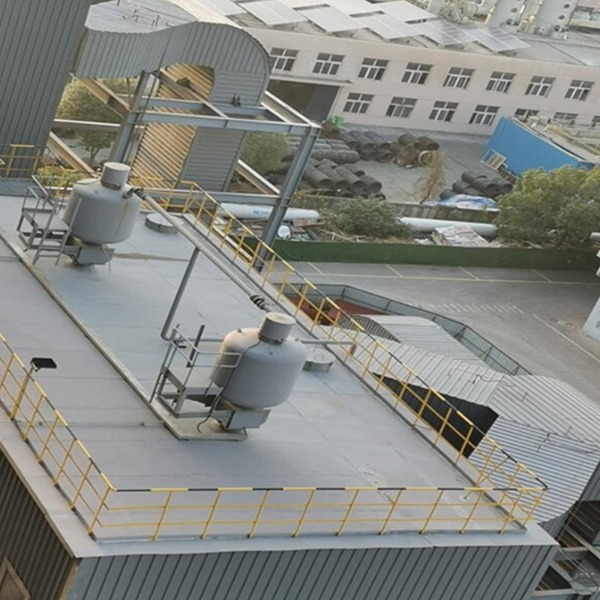
Cyclone collectors use centrifugal force to separate dust from air streams. Incoming contaminated air enters tangentially, creating a spiral motion that throws heavier particles outward against the cyclone walls. Particles slide downward into a collection chamber while purified air exits through a central outlet at the top.
These systems work best as primary stages before more sophisticated filtration. They handle large particle sizes efficiently but are less effective for fine dust and do not achieve the high capture rates required by most regulatory standards when used alone.
Key Components of an Effective Dust Collection System
A complete dust collection architecture integrates multiple functional elements. Each component plays a specific role in achieving optimal performance and reliability.
Air Intake and Ductwork
The system begins at point-of-use hoods positioned where dust generation occurs. Strategically located hoods capture particles before they disperse into the breathing zone. Properly sized ducting carries this contaminated air toward the collector, with slopes and velocities designed to prevent settling or material buildup within the pipes.
Pre-filtration Stages
Many facilities incorporate cyclones or magnetic separators before reaching the main filter stage. These preliminary stages remove larger particles and ferrous materials, extending the life of primary filters and improving overall system efficiency. This staged approach reduces maintenance costs and downtime.
Filter Media and Housing
The filter—whether bag or cartridge—is the system's core. Modern filter media combines synthetic fibers engineered for durability, efficiency, and chemical resistance. The housing protects internal components and directs air flow through the filtration stage. Quality housing design minimizes air leakage and ensures consistent performance.
Cleaning Mechanism
Automated cleaning systems maintain filter performance by removing accumulated dust. Pulse-jet systems deliver rapid bursts of high-pressure air, while reverse-air designs draw air backward through bags. Some systems employ mechanical shaking. The cleaning mechanism determines maintenance frequency and overall operational reliability.
Collection Hopper and Discharge
Collected dust accumulates in hoppers below the filter stage. Discharge methods vary from manual removal to automated conveyors or pneumatic systems. Proper hopper design prevents material bridging and ensures consistent dust removal without disrupting air flow through the collector.
Control Systems
Modern collectors incorporate sensors and controllers monitoring pressure differentials, cleaning cycles, and system status. Automated logic triggers cleaning only when necessary, optimizing energy use and filter life. Alert systems notify operators of maintenance needs or anomalies.
Dust Collector Sizing: The Air-to-Cloth Ratio
Proper system sizing is critical for performance and cost-effectiveness. An undersized collector fails to capture dust adequately, while oversizing wastes energy and increases capital expense. The air-to-cloth ratio is the fundamental metric guiding this decision.
What is Air-to-Cloth Ratio?
The air-to-cloth ratio expresses the volume of air processed per minute divided by the total square footage of filter media. It represents how much air passes through each square foot of filter surface. For example, a ratio of 4:1 means four cubic feet of air per minute flows through every square foot of filter material.
Typical Ratios Across Applications
General metal fabrication shops typically operate at 3:1 to 4:1 ratios. Pharmaceutical and fine chemical operations require more conservative 2:1 to 2.5:1 ratios due to finer particles. Woodworking facilities often use 3:1 to 3.5:1. Heavy industrial grinding applications may push toward 4:1 to 5:1 depending on dust characteristics and cleaning effectiveness.
Calculating Your System Size
Identify all dust generation points and estimate volumetric air flow from each (measured in cubic feet per minute or CFM). Sum total CFM from all sources. Divide by your target air-to-cloth ratio to determine required filter area in square feet. Select a collector with slightly more capacity than calculated to account for filter loading and operational variability.
Impact on Performance and Maintenance
Aggressive ratios increase dust accumulation on filters, requiring more frequent cleaning cycles and reducing filter service life. However, conservative ratios demand larger collectors and higher energy consumption. The optimal balance depends on your facility's dust characteristics, production schedule, and maintenance capabilities. Professional assessment often yields better results than standard assumptions.
Combustible Dust Safety and NFPA 660 Compliance
Many industrial dusts exhibit combustible properties. When suspended in air at sufficient concentration within an ignition temperature range, these particles create explosion hazards. Facilities handling combustible materials must implement specialized safety measures beyond standard dust collection.
Understanding Combustible Dust Hazards
Common combustible dusts include metal powders, grain, sugar, flour, coal, plastics, and wood. The combination of fuel (dust particles), oxygen (ambient air), and an ignition source (electrical discharge, hot surface, friction) creates explosion potential. A single incident can prove catastrophic, destroying facilities and causing fatalities.
NFPA 660 Standard Overview
The National Fire Protection Association Standard 660 provides comprehensive guidance for preventing combustible dust explosions in industrial settings. This standard covers system design, maintenance practices, housekeeping, training, and emergency procedures. Compliance demonstrates due diligence in hazard mitigation and may reduce liability exposure.
Key Compliance Elements
Dust collectors handling combustible materials must incorporate specific safety features. Explosion venting panels release pressure from internal explosions before major structural damage occurs. Isolation dampers prevent flame propagation between the collector and connected ductwork. Spark detection systems identify and neutralize incendiary particles in air streams before reaching the collector.
Beyond equipment, NFPA 660 mandates regular housekeeping to prevent dust accumulation on horizontal surfaces and ledges. Accumulations represent secondary explosion risks when disturbed. Facilities must establish cleaning schedules, maintain documentation, and train personnel in combustible dust hazards.
Implementation Challenges
Transitioning to NFPA 660-compliant systems requires capital investment and operational changes. Facilities must upgrade existing collectors with safety features, modify maintenance procedures, and invest in staff training. However, the cost of non-compliance—in accidents, downtime, and legal liability—far exceeds implementation expenses.
Regulatory Requirements and OSHA Standards
Beyond fire safety, industrial dust regulations protect worker health. Multiple regulatory frameworks establish dust exposure limits and employer responsibilities.
OSHA Permissible Exposure Limits
The Occupational Safety and Health Administration establishes permissible exposure limits (PELs) for various dust types. These limits define maximum airborne concentrations to which workers may be exposed during an eight-hour shift. Specific limits vary by dust composition—silica dust has stricter limits than general industrial dusts due to severe respiratory disease potential.
Documentation and Monitoring
Employers must monitor workplace air quality through personal sampling and area monitoring. Documentation of sampling results, maintenance records, and corrective actions demonstrates compliance. Regular air quality testing verifies that dust collection systems perform effectively and worker exposure remains within legal limits.
Welding Fume Extraction Requirements
Welding operations generate hazardous fumes containing metal oxides and gases. Dedicated fume extraction systems positioned at the welding arc capture these emissions before inhalation occurs. Proper extraction requires correctly sized ductwork and appropriately designed collectors to handle the specific fume characteristics without filter clogging.
Facility Responsibilities
Employers must provide hazard training, maintain documentation, conduct air monitoring, and take corrective action when exposures exceed limits. Dust collection system maintenance is essential to regulatory compliance. Failed filters, clogged ducts, or malfunctioning equipment render systems ineffective and expose employers to violations and penalties.
Designing and Implementing Your Dust Collection Strategy
Effective dust collection requires systematic planning beyond simply purchasing equipment. A comprehensive implementation strategy addresses facility layout, operational workflows, and long-term maintenance.
Assessment Phase
Begin with detailed facility assessment. Document all dust-generating operations, estimate air volumes, characterize dust properties (particle size, composition, combustibility), and identify existing collection infrastructure. Understanding current conditions guides system design decisions and reveals upgrade opportunities.
System Design Considerations
Design must balance multiple objectives: adequate capture efficiency, reasonable operating costs, reliable performance, and regulatory compliance. Consider future facility expansion when sizing systems—oversizing by twenty percent is often more economical than major retrofits later. Select components with interchangeable parts to simplify maintenance and reduce spare inventory requirements.
Installation Best Practices
Proper installation ensures systems perform as designed. Ductwork should slope downward at least one-quarter inch per foot to prevent particle settling. Minimum air velocities prevent dust from accumulating in horizontal runs. Tight connections eliminate air leaks that reduce efficiency. Professional installation by experienced contractors often prevents costly operational problems.
Startup and Commissioning
New systems require careful startup procedures. Test all safety features before operating with dust generation. Verify filter installation, confirm cleaning mechanism operation, and check sensor calibration. Baseline performance measurements establish expected pressure differentials and energy consumption for later comparison.
Operator Training
Personnel must understand system operation, maintenance requirements, and safety features. Trained operators recognize abnormal sounds or pressure readings indicating problems. Regular training refreshers keep safety practices current and reinforce proper procedures. Documentation of training completion demonstrates due diligence in hazard management.
Maintenance and Optimization Strategies
Long-term system reliability depends on consistent maintenance. Proactive approaches prevent failures and maximize equipment life.
Routine Maintenance Schedule
Establish regular inspection intervals appropriate to operating conditions. Monthly inspections verify filter integrity, check for air leaks, confirm cleaning mechanism operation, and review collected dust levels. Quarterly inspections include pressure drop measurement and motor/fan assessment. Annual comprehensive service may involve filter replacement, seal inspection, and bearing maintenance.
Filter Maintenance and Replacement
Filter lifespan depends on dust load, composition, and cleaning effectiveness. High dust concentrations reduce filter life to six months or less, while light-duty applications may see three-year service. Monitor pressure drop across the system—rising differentials indicate increasing dust loading and eventual filter failure if not addressed. Excessive cleaning frequency also indicates filter problems.
Preventing Filter Damage
Improper cleaning, mechanical impacts, or chemical reactions can damage filter media. Protect filters from liquid carryover from compressed air systems through proper air line maintenance. Excessive cleaning pressure ruptures cartridges and bags. Temperature excursions damage synthetic media—monitor discharge air temperatures closely in hot-process operations.
Energy Optimization
Dust collection systems consume significant energy, typically ranking among facility power consumers. Optimization reduces operating costs and environmental impact. Minimizing system air volumes through improved hood design, reducing ductwork friction through larger diameters, and upgrading to variable-speed motors all decrease energy demand. Regular filter maintenance directly improves efficiency by preventing excessive pressure drop.
Predictive Maintenance Technologies
Modern facilities increasingly employ sensors and data analytics. Pressure differential sensors, temperature monitoring, and vibration analysis detect emerging problems before catastrophic failure. Real-time data enables scheduling maintenance during planned downtime rather than reacting to unexpected shutdowns. These technologies prove especially valuable in mission-critical operations.
Measuring and Evaluating System Performance
Quantifying dust collection effectiveness requires systematic measurement and analysis. Performance evaluation guides maintenance decisions and identifies upgrade opportunities.
Key Performance Metrics
Pressure drop across the collector indicates filter condition and cleaning effectiveness. Baseline measurements established at startup provide comparison points. Gradual increases indicate normal dust loading; sudden spikes suggest filter damage or bridging. Air flow volume measurements confirm system delivers designed CFM. Temperature monitoring reveals heat generation or process changes affecting performance.
Air Quality Monitoring
Periodic air sampling at collection points verifies capture effectiveness. Area air monitoring quantifies workplace dust levels. Comparison against baseline data reveals trends and helps identify specific process improvements. Personal sampling on workers provides direct exposure assessment and ensures regulatory compliance.
Efficiency Calculations
Capture efficiency expresses the percentage of dust-laden air actually processed by the collector. True collection occurs not at the hood but where dust enters the filter stage. Leaks in ductwork or failed connections reduce effective capture significantly. Pressure differential and energy consumption together indicate operational efficiency and identify optimization targets.
Reporting and Documentation
Maintain detailed records of all measurements, maintenance activities, and corrective actions. This documentation demonstrates compliance with regulations, supports warranty claims, and provides historical data for trend analysis. Records prove invaluable when investigating equipment failures or air quality issues.
Emerging Technologies in Dust Collection
Industrial dust collection continues evolving with advances in filtration media, automation, and environmental control.
Advanced Filter Materials
Nanotechnology and specialized fiber engineering produce filter media with improved efficiency, durability, and chemical resistance. New materials handle challenging applications—high-temperature processes, corrosive fumes, or hygroscopic dusts—that conventional media cannot tolerate. These innovations extend filter life and reduce replacement costs in demanding environments.
Smart System Controls
Internet-connected dust collection systems enable remote monitoring, predictive analytics, and cloud-based reporting. Facilities access real-time performance data through mobile applications, receive automated alerts for maintenance needs, and analyze historical trends to optimize operations. Integration with facility management systems provides comprehensive oversight.
Electrostatic Filtration
Electrostatic technology supplements mechanical filtration by charging dust particles and filter media with opposite charges, improving capture rates for very fine particles. Hybrid systems combining mechanical and electrostatic approaches achieve superior performance in specialized applications, particularly where ultra-high efficiency is required.
Noise Reduction Innovations
Modern collectors incorporate acoustic engineering to reduce operational noise. Sound-dampening materials in ductwork, improved fan blade designs, and vibration isolation reduce decibel levels, creating quieter work environments without sacrificing performance. This focus on noise reflects broader ergonomic and wellness concerns in industrial facilities.
Comparative Analysis: Baghouse vs. Cartridge Systems
The choice between baghouse and cartridge collectors depends on facility-specific requirements. Each approach offers distinct advantages and trade-offs.
| Characteristic | Baghouse Collector | Cartridge Collector |
|---|---|---|
| Space Requirement | Large footprint, tall vertical profile | Compact, flexible orientation |
| Filter Area | High capacity per unit | More filters, smaller total footprint |
| Maintenance Access | Interior confined space access | External access, easier replacement |
| Initial Cost | Generally lower | Typically higher |
| Dust Handling Capacity | Excellent for high dust loads | Good for moderate loads |
| Energy Consumption | Moderate at proper sizing | Slightly lower per unit air processed |
| Operational Reliability | Proven, mature technology | Modern, increasingly reliable |
Cost Analysis and Return on Investment
Dust collection represents a significant capital investment, but long-term benefits often justify expenses. Comprehensive cost analysis reveals true financial impact.
Capital Expenditure Factors
Equipment cost varies dramatically based on size, technology level, and special features. A basic baghouse collector for small operations may cost fifteen to thirty thousand dollars, while large industrial systems exceed one hundred thousand. Cartridge collectors, ductwork installation, electrical connections, and controls add substantial expense. Facility modifications sometimes prove as costly as equipment itself.
Operating Costs
Energy consumption typically represents the largest ongoing expense. A medium-sized collector operating eight hours daily might consume three to five thousand kilowatt-hours annually. Filter replacement, maintenance labor, and compressed air for cleaning add significant recurring costs. Proper sizing and maintenance directly control these expenses.
Quantifying Benefits
Reduced equipment replacement costs from improved maintenance conditions often exceed initial system investment. Eliminated production downtime from equipment failure, improved product quality from cleaner environments, and reduced rework all contribute to financial benefits. Avoided regulatory fines and litigation costs from safety incidents represent substantial value. Improved worker health reduces absenteeism and healthcare costs.
Payback Period Analysis
Many facilities achieve payback within three to five years through operating cost reduction and avoided losses. Shorter payback typically occurs in high-dust environments or where existing equipment regularly fails. Longer payback may characterize lighter-duty applications. The analysis strengthens when considering regulatory compliance requirements—non-negotiable expenditure becomes obvious investment.
Common Problems and Solutions
Even well-maintained systems occasionally develop problems. Understanding common issues and their remedies keeps facilities running smoothly.
Excessive Pressure Drop
When pressure differential rises faster than normal, filter clogging has likely occurred. Verify cleaning mechanism operation first—if it malfunctions, dust accumulates rapidly. If cleaning operates correctly, filter damage or inappropriate media selection may be responsible. Some dusts require special coatings or materials to prevent rapid clogging. Check for air leaks in ductwork that would force dust through filters faster than designed.
Inadequate Capture Efficiency
Poor capture usually indicates airflow problems. Verify hood positioning captures dust generation points effectively. Check ductwork for accumulated material restricting airflow. Torn filter media allows uncollected air to bypass filtration. Verify all connections are sealed—obvious or hidden leaks reduce effective system performance significantly. Air velocity monitoring helps identify flow restrictions.
Filter Media Deterioration
Filters fail from multiple causes. Excessive cleaning pressure ruptures cartridges or bag seams. Chemical incompatibility between dust and filter material causes breakdown. Heat damage occurs when process temperatures exceed media rating. Moisture ingress from compressed air system contamination causes caking and deterioration. Identify the root cause before replacing filters or repeated failures will occur.
Noise and Vibration Issues
Excessive noise often indicates mechanical problems. Verify fan blade integrity—damage creates noise and reduces efficiency. Bearing wear causes vibration and strange sounds. Loose mounting hardware amplifies vibration. Ductwork resonance can be reduced through internal bracing or acoustic treatment. Unusual sounds warrant investigation as they frequently indicate developing mechanical problems.
Dust Discharge Problems
Collected dust sometimes fails to flow from hoppers. Material bridging occurs when particles form arches preventing flow. Install vibrators or aeration systems to break bridges. Some dusts clump from moisture or residual heat. Ensure adequate ventilation in collection hoppers to prevent vacuum conditions that restrict flow. Consider discharge equipment designed specifically for problematic dust types.
Frequently Asked Questions
Q1: What is the typical lifespan of dust collection filters?
Filter life depends on dust load and composition. Light-duty applications see three to five years of service, while high-dust environments may require replacement annually or semi-annually. Monitor pressure differential as your primary indicator—when it rises significantly above baseline, replacement is likely necessary. Some specialized applications may see shorter or longer service intervals.
Q2: Can existing dust collection systems be retrofit with combustible dust safety features?
Yes, most collectors can be upgraded with explosion vents, isolation dampers, and spark detection systems. Professional assessment determines what modifications are feasible and effective for your specific equipment. The cost of retrofitting is typically less than purchasing new equipment, making it an economical path to NFPA 660 compliance.
Q3: How often should dust collection systems be serviced?
Establish monthly visual inspections, quarterly comprehensive checks of pressure and operation, and annual professional service depending on dust load and operating hours. High-dust environments may require more frequent attention. Follow equipment manufacturer recommendations and adjust based on observed conditions and performance trends.
Q4: What air velocity is required in ductwork to prevent dust settling?
Most industrial dust requires minimum velocities of 3,500 to 4,000 feet per minute to prevent settling in horizontal runs. Specific requirements depend on particle size and density. Oversized ductwork reduces velocity and promotes settling, while undersized ducts increase friction losses. Professional design ensures appropriate sizing for your application.
Q5: Are dust collection systems required by regulation?
OSHA requires dust collection when dust levels exceed permissible exposure limits. Specific requirements depend on dust type and facility operations. Additionally, facilities handling combustible dusts must implement NFPA 660 safety measures. Consult with safety professionals to determine your facility's specific regulatory obligations.
Q6: Can one collector handle multiple dust types?
Generally, systems are designed for specific dust types. Filter media selection depends on dust composition, temperature, and chemical properties. Mixing incompatible dusts in the same collector can create safety hazards or reduce efficiency. Dedicated systems for different dust types is the safest approach, though compartmentalized collectors with multiple filter banks sometimes work for similar dust types.
Q7: What maintenance can facility staff perform versus professional service?
Staff can perform visual inspections, pressure measurement, cleaning mechanism checks, and filter changes in accessible collectors. Professional technicians should handle bearing replacement, seal inspection, electrical troubleshooting, and safety feature testing. Complex diagnostics or modifications require professional expertise to ensure proper function and regulatory compliance.
Q8: How is dust collection system efficiency measured?
Efficiency is expressed as the percentage of dust captured divided by total dust generated. Pressure differential across the system, airflow volume measurements, and air quality testing quantify efficiency. Compare baseline measurements from startup against current performance to identify degradation. Increasing pressure drops without efficiency gains indicate maintenance is needed.