English
 Français
 عربى
عربى 简体中文
简体中文


What technologies are used in implementing dust control systems across various industries?
HOME / NEWS / Industry News / What technologies are used in implementing dust control systems across various industries?
 By Admin
Content
Dust control systems play a critical role in modern industrial operations, safeguarding worker health, ensuring environmental compliance, and maintaining operational efficiency. Across various sectors, such as the foundry industry, metallurgy, and metal smelting, managing airborne dust is a complex yet essential task.
The foundry industry, which involves metal casting and molding, is notorious for producing significant amounts of dust and particulate matter. Foundries utilize molds and cores that often involve materials like sand, which can easily become airborne during casting operations.
Types of Dust: Foundry dust typically consists of silica particles from sand and other fine dusts generated during the molding, casting, and cleaning processes. These particles, when inhaled, pose serious respiratory risks to workers, potentially causing conditions like silicosis.
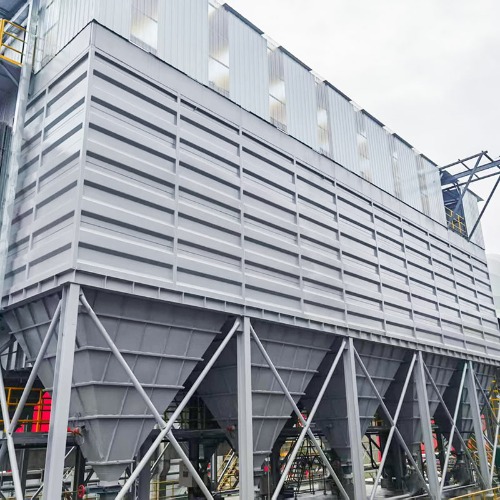
Solutions and Technology: In response to these challenges, advanced dust control systems such as baghouses, cyclonic separators, and electrostatic precipitators are employed. These systems work by capturing dust at various stages of the production process, whether during the handling of raw materials or post-casting cleaning.
Benefits: By integrating dust control technology, foundries can significantly improve the air quality within their facilities. This not only promotes worker health but also enhances productivity by reducing downtime associated with dust accumulation. Additionally, it helps foundries comply with environmental regulations concerning air pollution.
Dust control systems are widely applicable across many industrial sectors beyond foundries. From chemical manufacturing to food processing, industrial operations frequently generate airborne particulates that need to be controlled to ensure a safe working environment.
Industrial Applications: Industries such as textiles, pharmaceuticals, and food production produce a range of dusts, from powders and granules to fibrous particles. These industries require efficient dust control systems to mitigate the risks associated with these particles, such as fires, explosions, and long-term health issues.
Technology and Equipment: Centralized dust extraction systems are commonly used in industrial settings. These systems utilize filtration technologies like cartridge filters, fabric filter bags, and wet scrubbers to capture dust particles. In some cases, ventilation systems are integrated to ensure continuous air flow, preventing the accumulation of hazardous dust.
Regulatory Standards: Strict regulatory standards and compliance with dust control regulations help prevent workplace accidents and ensure that companies avoid penalties for poor air quality and pollution.
The metallurgy industry is heavily involved in processes such as smelting, refining, and casting, all of which generate considerable amounts of dust. The dust produced during these processes often contains fine metallic particles, which are hazardous to both workers and the environment.
The Metallurgy Industry’s Dust Problem: Dust generated in metallurgy typically includes materials such as iron ore, coal, and flux. These particles can be toxic if inhaled and pose significant risks to health. Additionally, fine metal dust can cause equipment wear and inefficiencies in production lines.
Technological Solutions: Metallurgical plants employ high-efficiency dust control systems, including bag filters and wet scrubbers, to capture these fine metallic particles. These systems must be designed to withstand high temperatures and aggressive environments, ensuring long-term reliability and efficiency.
Challenges: Capturing fine metallic dust presents a significant challenge due to the nature of the particles and their ability to accumulate on machinery and work surfaces. Overcoming these challenges requires constant monitoring and the integration of robust, adaptable dust control systems.
The non-ferrous metals industry, including sectors dealing with materials like copper, aluminum, and zinc, generates specific types of dust that require targeted control solutions. These metals often undergo processes such as smelting and refining, which produce fine, often toxic dust.
Dust Characteristics: The dust produced in non-ferrous metal smelting is not only fine but can also be highly toxic, containing substances like lead, cadmium, and other heavy metals. Such particles pose serious environmental and health hazards, making effective dust control essential.
Solutions: Advanced dust control systems designed for non-ferrous metallurgy must handle the high temperatures and potential toxicity of the dust. Filtration systems, including electrostatic precipitators and high-efficiency particulate air (HEPA) filters, are commonly used to capture and neutralize these hazardous particles.
With the increasing focus on recycling metals, particularly in the automotive and construction industries, recycled metal smelting has gained significant traction. However, the dust produced during these processes presents unique challenges.
Recycling in Metal Smelting: Recycling involves melting down scrap metal, which can generate a variety of dusts, including particles from contaminants mixed with the metal. These particles can be hazardous, requiring customized dust control systems.
Dust Generation: During the melting and refining stages of recycled metal smelting, dust particles are emitted. These dusts can contain a mix of metals and non-metallic materials, adding complexity to dust collection and filtration.
Customized Solutions: Due to the high dust volume and varying nature of materials, specialized dust control systems are required. High-duty filtration systems capable of handling high temperatures and fine particulate matter are essential in this industry.
Scrap metal smelting is a high-intensity process that involves melting down metal waste to recover valuable materials. The dust generated in these operations often contains a mix of metallic and non-metallic particles.
Dust Control Solutions: The dust control systems employed in scrap metal smelting must be capable of handling large amounts of particulate matter while withstanding the harsh conditions of the smelting process. These systems typically include cyclonic separators, high-efficiency bag filters, and wet scrubbers.
Challenges: One of the main challenges in scrap metal smelting is the wide variety of materials being processed, each with different dust characteristics. This variability requires flexible and robust dust control solutions to ensure the system remains effective across a range of operations.
In metal recovery smelting, the goal is to extract valuable metals from ores or scrap. This process generates substantial dust, which must be controlled to ensure worker safety and operational efficiency.
Metal Recovery: During metal recovery, fine particulate matter is produced, especially when refining or purifying metals. Effective dust control is essential to protect workers and reduce the environmental impact.
Technological Approaches: Advanced filtration systems are essential for capturing the fine dust generated in recovery processes. These systems typically combine air filtration with water-based methods to ensure that the dust is neutralized before it enters the atmosphere.
The casting process is a critical stage in many manufacturing operations, including automotive and machinery production. This process generates a significant amount of dust, primarily from sand and metal particles.
Casting and Mold Dust: Sand, which is commonly used in casting molds, generates dust that can be hazardous to workers. Additionally, dust from molten metal can also pose serious risks.
Technological Innovations: To address these challenges, dry filtration and vacuum collection systems are employed to capture dust at the source. In some cases, wet scrubbers are also used to prevent dust from becoming airborne.
The integration of dust control systems provides numerous benefits to industries. These systems not only improve air quality but also ensure compliance with environmental regulations and enhance operational efficiency.
Health & Safety: By reducing airborne dust, companies can significantly reduce the risk of respiratory diseases and other health-related issues among workers.
Environmental Impact: Dust control systems play a key role in reducing industrial air pollution and contributing to a cleaner environment.
Economic Benefits: Dust control systems can help reduce downtime caused by dust-related issues, improving productivity and reducing maintenance costs.
While dust control systems offer significant benefits, they also come with challenges. These challenges include high installation costs, maintenance requirements, and the need to design systems that can handle extreme conditions.
Technological Hurdles: The effectiveness of dust control systems can be hindered by factors such as dust type, particle size, and environmental conditions. Designing systems that can cope with these variables requires advanced technology and careful planning.
Operational Limitations: Even the most advanced dust control systems can encounter limitations due to issues such as system failure, reduced efficiency over time, or difficulty in maintenance.
Cost Considerations: While the initial investment in dust control systems may be high, the long-term savings resulting from reduced downtime, maintenance, and improved efficiency make it a worthwhile investment.
Dust control systems are integral to the safety, efficiency, and sustainability of industrial operations across various sectors. From foundries to metal recovery smelting, these systems help mitigate the risks associated with airborne dust.
1.What is a dust control system, and why is it essential in industrial settings?
A dust control system is a setup designed to capture and filter dust particles from industrial processes, improving air quality, protecting workers’ health, and ensuring compliance with environmental regulations. These systems are essential to prevent respiratory diseases, maintain safe work environments, and reduce the risk of fire or explosion.
2.How do dust control systems improve worker health and safety?
By capturing harmful dust particles at the source, dust control systems reduce the concentration of airborne contaminants, lowering the risk of respiratory diseases such as asthma, silicosis, and lung cancer. These systems also prevent accidental inhalation of toxic metals, significantly improving workplace safety.
3.What are the most common types of dust control systems used in metallurgy?
In the metallurgy industry, the most common dust control systems include baghouses, wet scrubbers, and electrostatic precipitators. These systems are specifically designed to handle high-temperature and metal dust, ensuring efficient capture and filtration of fine particulates.
4.What are the key challenges faced by industries in implementing effective dust control?
One of the key challenges is designing systems that can handle different types of dust, especially in industries like metallurgy and metal smelting, where particles may vary in size, temperature, and toxicity. Additionally, there may be high initial costs, ongoing maintenance needs, and ensuring compliance with ever-tightening regulations.
5.How does dust control contribute to environmental sustainability in industrial operations?
Dust control systems help reduce airborne particulate matter, contributing to cleaner air and reducing industrial pollution. By efficiently capturing dust particles, these systems minimize the environmental impact of industrial operations and ensure that companies meet environmental standards, promoting sustainability.