English
 Français
 عربى
عربى 简体中文
简体中文


Understanding Industrial Flue Gas Challenges in Steel Production
Steel manufacturing generates substantial quantities of particulate matter during melting, casting, and finishing operations. Flue gases carrying fine dust particles pose significant environmental and operational challenges. The need for effective dust collector systems has become a cornerstone of modern steel mill operations, driving innovation in baghouse filter technology.
Modern steel facilities process millions of cubic meters of contaminated air daily. Without proper dust removal infrastructure, these emissions not only violate environmental regulations but also reduce product quality and create unsafe working conditions. This reality has shifted industry focus toward advanced filtration solutions capable of handling extreme operating conditions while maintaining consistent performance.
Operational Advantages of Large Multi-Compartment Systems
Continuous Operation and Maintenance Flexibility
Large multi-compartment baghouse designs enable offline cleaning of individual compartments while others remain operational. This compartmentalization ensures production continuity without shutdowns, a critical advantage for steel mills operating on tight schedules. When one compartment enters cleaning cycle, the remaining units absorb the full gas volume temporarily, maintaining consistent filtration efficiency.
Superior Dust Handling Capacity
Steel mill flue gases contain high concentrations of fine iron oxide particles, requiring collection systems capable of managing heavy dust loads. Multi-compartment designs distribute this burden across larger filtering surface areas, reducing pressure drop and extending bag life. The cumulative bag area in large systems can reach thousands of square meters, providing exceptional collection capacity.
Economic Efficiency Through Extended Component Life
The reduced pressure differential in oversized multi-compartment systems decreases mechanical stress on filter bags and support structures. This translates to longer operational intervals between replacements and reduced maintenance expenditures. Steel plants report maintenance cost reductions of twenty to forty percent compared to undersized single-compartment alternatives.
Enhanced Pulse Jet Performance
Modern pulse jet bag filter systems employ compressed air bursts to dislodge accumulated dust from filter media. Large multi-compartment designs optimize this process by isolating compartments during cleaning cycles, allowing higher pressure pulses without affecting adjacent filtering zones. This targeted approach maximizes cleaning efficiency and dust removal rates.
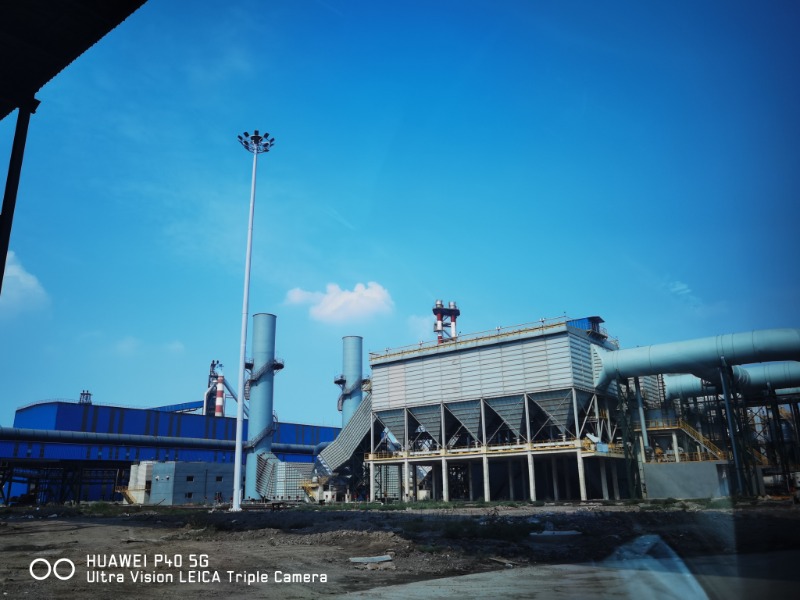
Technical Design Features for Steel Mill Applications
Compartmentalization Strategy
Typical large systems contain four to twelve compartments, each operating independently. This modular approach provides flexibility in installation space and allows incremental capacity expansion. Each compartment houses hundreds of cylindrical or cartridge-style filter elements arranged vertically or horizontally depending on space constraints and gas flow patterns.
Gas Flow Optimization
Industrial baghouse systems employ inlet designs that promote uniform gas distribution across all compartments. Uneven flow distribution causes some filters to become overloaded while others remain underutilized, reducing overall efficiency. Advanced inlet geometries featuring diffusers and baffles ensure balanced velocity profiles entering the filtration zone.
Hopper and Discharge Architecture
Large multi-compartment systems require substantial hopper volumes to accommodate heavy dust accumulation rates typical in steel production. Vibratory, rotary, or pneumatic discharge mechanisms facilitate continuous removal of collected material. The hopper design must prevent bridging and ensure reliable dust flow without manual intervention.
Control and Monitoring Systems
Modern systems integrate differential pressure sensors, temperature monitors, and cleaning cycle controllers. Automated logic sequences optimize cleaning frequency based on actual operating conditions rather than fixed schedules. Data logging capabilities enable predictive maintenance, allowing operators to identify component degradation before failures occur.
Performance Comparison: Bag Filter Types for Steel Mills
| Feature | Single-Compartment Units | Multi-Compartment Systems |
|---|---|---|
| Continuous Operation During Maintenance | No | Yes |
| Typical Filtering Area (m2) | 50-200 | 400-2000 |
| Operating Pressure Drop (Pa) | 1200-1500 | 800-1000 |
| Filter Bag Service Life (Months) | 12-18 | 24-36 |
| Dust Collection Efficiency | 99.0-99.5% | 99.5-99.9% |
| Annual Maintenance Cost Index | 100 | 60-75 |
Key Selection Criteria for Steel Mill Dust Collectors
Gas Volume and Flow Characteristics
Steel mill flue gas volumes vary by production capacity and equipment type. Electric arc furnaces generate different gas characteristics than blast furnaces or ladle metallurgy stations. Selecting a dust collector requires precise volumetric assessment and understanding of peak flow rates, which may exceed average conditions by fifty percent or more during production surges.
Dust Loading Rates
The mass concentration of particles in flue gas directly impacts filter selection. Heavy dust loading applications require larger surface areas and more frequent cleaning cycles. Steel production generates dust concentrations ranging from five to fifty grams per cubic meter, demanding systems specifically engineered for high-load environments.
Temperature Resistance
Steel mill flue gases emerge at temperatures between one hundred and four hundred degrees Celsius. Filter media must withstand sustained exposure to these conditions without degradation. High-temperature resistant materials such as aramid or polyimide-based fabrics are essential for reliable long-term performance in steel applications.
Space Availability and Installation Constraints
Industrial facilities often operate with space limitations. Large multi-compartment systems require adequate footprint and height. However, their compact design relative to total filtering area makes them more space-efficient than alternatives. Vertical installation options accommodate tight floor space scenarios while maintaining full operational capacity.
Integration with Existing Infrastructure
Baghouse systems must connect seamlessly with ducting, fans, and downstream equipment. Flange designs, access port locations, and discharge mechanisms should align with facility layouts. Pre-installation assessments prevent costly modifications and ensure optimal performance upon startup.
Operational Workflow of Multi-Compartment Baghouse Systems
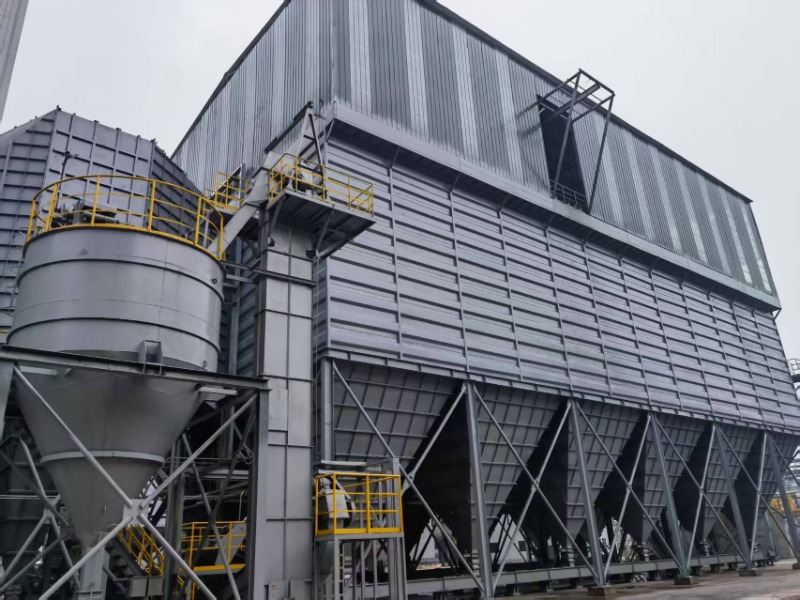
The continuous cycle ensures that while one compartment undergoes cleaning, others maintain filtration. This parallel processing capability distinguishes large multi-compartment systems from smaller alternatives and enables uninterrupted facility operations.
Maintenance Requirements and Best Practices
Regular Filter Media Inspection
Filter bags and cartridges require periodic visual inspection for holes, tears, or chemical deterioration. Monthly inspections during the first operational year establish baseline conditions and help identify premature degradation patterns. Temperature fluctuations and moisture ingress represent primary aging factors requiring proactive monitoring.
Cleaning Cycle Optimization
Automated control systems adjust cleaning frequency based on pressure differential readings. Improper cleaning intervals reduce efficiency or waste compressed air. Modern baghouses employ learning algorithms that analyze historical data to determine optimal pulse timing and duration for specific dust characteristics.
Hopper Level Management
Accumulated dust in hoppers must be removed before bridging occurs or overflow conditions develop. Level sensors provide real-time feedback enabling operators to schedule discharge cycles during production lulls. Manual accumulation checks supplement electronic monitoring during commissioning phases.
Fan Performance Verification
The exhaust fan driving gas flow through the baghouse deteriorates over time. Annual efficiency testing confirms proper operation and identifies bearing wear or blade contamination. Maintaining fan performance ensures the system achieves design volumetric flow rates throughout its service life.
Compressed Air System Maintenance
Pulse jet systems depend on reliable compressed air delivery at consistent pressure and moisture levels. Dryer and filter maintenance in the air supply line prevents moisture and oil contamination that could damage pneumatic components or degrade filter media performance.
Environmental Benefits and Regulatory Compliance
Large multi-compartment baghouse systems achieve dust collection efficiencies exceeding ninety-nine point five percent, capturing fine particles that escape less sophisticated technologies. This translates to dramatic reductions in airborne particulate matter released to the atmosphere.
Steel mill flue gas typically contains iron oxide particles measuring less than ten micrometers. Effective capture prevents these fine particles from traveling long distances in the air column, reducing environmental contamination radius and protecting community air quality. Facilities utilizing advanced baghouse technology report measurable improvement in regional air quality metrics.
Modern systems comply with increasingly stringent environmental regulations enacted across industrial regions. Emission limits for particulate matter have become more restrictive in recent years, requiring facilities to upgrade collection infrastructure. Large multi-compartment baghouses provide a compliance-ready solution that future-proofs operations against regulatory tightening.
The captured material itself often possesses economic value. Iron-rich dust can be recycled into production processes or sold to secondary materials suppliers. This circular economy aspect transforms environmental necessity into operational advantage, offsetting collection costs through recovered material value.
Economic Analysis: Total Cost of Ownership
Initial Capital Investment
Large multi-compartment systems represent significant capital expenditure, typically ranging from hundreds of thousands to several million currency units depending on filtering area and customization requirements. However, this investment provides capacity to handle extended facility growth without replacement, distributing costs across many years of operation.
Operating Expenses
Compressed air consumption represents the primary ongoing operating cost for pulse jet systems. Large systems operate at lower pressure differentials, reducing fan energy requirements compared to compact undersized units. Over a ten-year operational period, energy savings often exceed fifty percent of initial equipment cost.
Maintenance and Component Replacement
Extended filter bag service life in large systems reduces annual replacement expenses. A system replacing bags every two years incurs half the component costs of one replacing bags annually. Labor savings from reduced maintenance interventions multiply these benefits, particularly in facilities with dedicated maintenance crews.
Downtime Risk Mitigation
Continuous operation during compartment cleaning eliminates production interruptions caused by baghouse maintenance. For steel mills where production downtime costs thousands of currency units per hour, this reliability advantage often justifies premium pricing for multi-compartment designs.
Real-World Implementation Examples
Large Integrated Steel Facility
A major steel production complex upgraded its dust collection infrastructure across multiple production lines. The facility installed six large multi-compartment baghouse systems, each handling gas volumes of fifty thousand cubic meters per hour. Within the first year of operation, maintenance costs declined by thirty-five percent while collection efficiency improved from ninety-eight point two percent to ninety-nine point seven percent. The ability to perform routine maintenance without production shutdowns provided estimated savings of two million currency units annually.
Secondary Steel Mini-Mill
A medium-scale secondary steel producer replaced aging single-compartment units with three modern multi-compartment systems. The facility documented a forty percent reduction in filter bag consumption and eliminated emergency shutdowns related to baghouse failures. Process gas temperatures increased by fifteen degrees Celsius without filter degradation, indicating superior material quality in newer designs.
Specialty Steel Manufacturer
A specialty steel producer processing high-alloy materials required exceptional dust collection efficiency due to toxic element content in flue gases. A custom large multi-compartment baghouse system achieved ninety-nine point eight-five percent efficiency, exceeding regulatory requirements by significant margins. The system has operated for three years without unplanned maintenance interventions.
Frequently Asked Questions
Q1: What size multi-compartment system does a steel mill typically require?
System sizing depends on facility production capacity, equipment types, and gas volume generation rates. Steel mills producing five hundred tons daily typically require multi-compartment baghouse systems with filtering areas between eight hundred and fifteen hundred square meters. Larger integrated facilities may require systems with two thousand to three thousand square meters of filtering surface. Accurate sizing requires detailed process assessment and gas characterization studies conducted by qualified engineers.
Q2: How frequently do filter bags require replacement in multi-compartment systems?
High-quality filter media in well-maintained multi-compartment systems typically provides two to three years of service life under normal steel mill operating conditions. Heavy dust loading environments or elevated temperature exposure may reduce bag life to eighteen to twenty-four months. Conversely, facilities with lower dust concentrations have achieved four-year service intervals. Regular pressure differential monitoring helps identify bags requiring earlier replacement due to deterioration or damage.
Q3: Can existing facilities retrofit multi-compartment baghouses into current spaces?
Retrofitting existing installations with larger multi-compartment systems requires detailed space assessment and potential infrastructure modifications. Many facilities require ductwork reconfiguration, structural reinforcement, or foundation work. Careful planning during retrofit projects can accommodate modern equipment within existing buildings, though some installations may require outdoor placement or facility expansion. Professional engineering evaluation is essential to determine retrofit feasibility for specific locations.
Q4: What is the efficiency difference between multi-compartment and single-compartment baghouses?
Modern single-compartment baghouses achieve collection efficiencies of ninety-nine to ninety-nine point five percent, while large multi-compartment systems typically operate at ninety-nine point five to ninety-nine point nine percent efficiency. The efficiency advantage stems from optimized gas distribution, larger filtering surface areas, and superior pulse jet cleaning effectiveness. However, both technologies meet most regulatory requirements; the primary multi-compartment advantage relates to operational continuity and reduced downtime.
Q5: What factors extend the service life of baghouse filter media?
Filter media longevity depends on temperature stability, moisture control, cleaning cycle optimization, and proper maintenance practices. Maintaining operating temperatures within design specifications prevents thermal degradation. Effective moisture removal through dryers prevents chemical attacks on filter fibers. Appropriate cleaning frequency prevents excessive mechanical stress while ensuring adequate particle removal. Regular inspections identify problematic conditions before they compromise media integrity.
Q6: How do multi-compartment systems handle varying gas flow rates?
Large systems accommodate flow variations through multiple design features. Oversized capacity provides margin for peak flow conditions beyond average operating rates. Dampers and flow control devices direct gas distribution when certain compartments undergo cleaning. Variable speed drives on exhaust fans adjust flow rates to match actual operating conditions. These coordinated features enable systems to maintain consistent performance across normal facility operating ranges.
Q7: What environmental regulations do modern baghouse systems address?
Current regulations in major industrial regions limit particulate emissions to concentrations between five and twenty milligrams per cubic meter, depending on jurisdiction and equipment class. Modern large multi-compartment baghouses achieving ninety-nine point five to ninety-nine point nine percent efficiency consistently maintain emissions well below regulatory limits. Some jurisdictions also specify specific collection rates for fine particles below two point five micrometers, where advanced filter media provides superior performance compared to older technologies.
Q8: Are there alternatives to pulse jet cleaning systems?
Alternative cleaning technologies include reverse air systems, mechanical shaking, and hybrid approaches combining multiple techniques. Pulse jet systems dominate in steel mill applications due to superior performance with heavy dust loads, compact design, and lower water consumption compared to reverse air systems. The choice between technologies depends on specific dust characteristics, available utilities, and space constraints. Each technology offers distinct advantages; pulse jet systems provide optimal performance for typical steel mill applications.