English
 Français
 عربى
عربى 简体中文
简体中文


The Essential Components of an Effective Dust Control System
The Essential Components of an Effective Dust Control System
 By Admin
Content
An effective dust control system plays a crucial role in maintaining a safe and healthy environment, especially in industries dealing with large volumes of particulate matter. Dust emissions not only impact the quality of air but also pose health risks to workers and the surrounding community. This article will explore the essential components of a dust control system, the processes involved in emission treatment, waste gas recovery, and how the correct emission control technologies can help ensure compliance with environmental standards.
Introduction to Dust Control Systems
Dust control systems are designed to capture, filter, and safely remove particulate matter from industrial air streams. These systems are critical for controlling air pollution and preventing the spread of hazardous dust. Depending on the type of dust and the nature of the industry, these systems can vary significantly, incorporating various technologies such as filtration, electrostatic precipitation, and wet scrubbing.
The core goal of any dust control system is to reduce particulate emissions to meet regulatory standards and improve air quality. In addition, waste gas recovery systems can be integrated to maximize energy efficiency by capturing and reusing excess heat or gases.
Key Components of Dust Control Systems
Effective dust control involves the integration of several key components working together to capture, remove, and safely dispose of particulate matter. Below is an overview of these components.
a. Dust Collectors
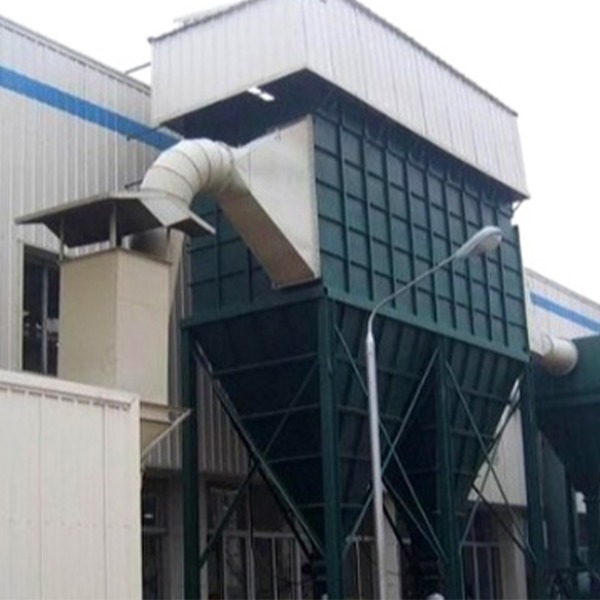
Dust collectors are the heart of any dust control system. They are designed to capture and filter airborne particulate matter. Common types of dust collectors include:
Baghouse Filters: These use fabric bags to trap dust particles from the air. They are ideal for handling fine dust in industries like cement, mining, and wood processing.
Cartridge Filters: These filters provide high efficiency and are used in applications where space is limited, such as in smaller facilities or for precise filtration needs.
Cyclone Separators: Cyclones use centrifugal force to separate larger dust particles from the air stream. These are commonly used as pre-filters or as standalone systems in industries with coarse dust.
b. Fan Systems and Airflow Control
Fan systems are essential for maintaining airflow throughout the dust control system. The fans generate the necessary suction force to draw in dust-laden air into the dust collector. Proper sizing of fans is critical to ensure optimal performance. Airflow control mechanisms, such as dampers and variable speed drives, are used to regulate airflow and optimize energy consumption.
c. Emission Treatment Technologies
Emission treatment involves the use of various technologies to reduce harmful emissions from industrial processes. Some of the most common methods include:
Electrostatic Precipitators (ESPs): These use electrical fields to charge dust particles, which are then attracted to collector plates. ESPs are highly effective for capturing fine particulate matter.
Wet Scrubbers: Wet scrubbers capture dust particles by passing air through a spray of water. They are particularly effective for handling sticky or moist dusts.
Biofilters: These systems use natural microorganisms to treat gaseous emissions, especially in industries like food processing and wastewater treatment.
d. Waste Gas Recovery
Waste gas recovery systems are used to capture and recycle energy or gases that would otherwise be wasted. This is especially useful in industries where excess heat is generated during production processes, such as in steel mills. By implementing waste gas recovery systems, industries can not only reduce emissions but also recover valuable energy, reducing operational costs.
e. Dust Suppression Systems
Dust suppression involves using water or other chemical agents to reduce the amount of dust generated at the source. This can include systems like:
Water Sprays: Water is sprayed directly onto dust sources to prevent particles from becoming airborne.
Foam Suppression: In certain environments, foam can be used to encapsulate dust particles and prevent them from spreading.
How Dust Control Systems Contribute to Emission Control
An effective dust control system plays a critical role in emission control by ensuring that particulate emissions remain within permissible limits. Beyond dust removal, these systems help control gases such as volatile organic compounds (VOCs) and other hazardous emissions that may be generated during industrial processes.
By using advanced filtration and treatment technologies, industries can comply with environmental regulations and avoid penalties. Additionally, an efficient dust control system can reduce the environmental footprint of a company by minimizing air pollution and energy consumption.
Best Practices for Maintaining Dust Control Systems
To maximize the efficiency of a dust control system, regular maintenance is essential. Here are some best practices:
Regular Filter Replacement: Filters in dust collectors should be checked and replaced periodically to ensure they are functioning at peak performance.
Inspecting Fan Systems: The fans should be inspected regularly for any signs of wear or damage. Any imbalance in the fan system can result in reduced suction power and efficiency.
Monitoring Emission Levels: Regular monitoring of particulate emissions can help detect issues early and allow for corrective measures before the emissions exceed regulatory limits.
Cleaning and Servicing: Dust collectors and other system components should be cleaned and serviced regularly to avoid clogging and ensure optimal airflow.
Conclusion
A dust control system is not just about removing particles from the air; it is an integrated solution for managing emissions, improving worker safety, and complying with environmental regulations. By incorporating the right components—such as dust collectors, fan systems, emission treatment technologies, and waste gas recovery systems—industries can ensure the efficient operation of their dust control systems, reduce their environmental impact, and improve overall productivity.
FAQ
Q1: What is the difference between a baghouse and a cartridge filter system?
A: A baghouse filter uses large fabric bags to capture dust, ideal for heavy-duty applications. A cartridge filter is more compact and is used in environments with limited space or for fine dust filtration.
Q2: How do electrostatic precipitators work?
A: Electrostatic precipitators use electrical fields to charge dust particles, which are then attracted to collector plates, effectively removing the dust from the air.
Q3: What are the benefits of waste gas recovery systems?
A: Waste gas recovery systems help industries recycle energy and reduce operational costs by capturing and reusing excess heat or gases.
Q4: How often should a dust control system be maintained?
A: Regular maintenance is essential. Dust collectors should be checked and cleaned monthly, while fan systems and filters should be inspected and replaced as needed.