English
 Français
 عربى
عربى 简体中文
简体中文


The Factory Operator’s Guide to Industrial Dust Control Systems
The Factory Operator’s Guide to Industrial Dust Control Systems
 By Admin
Content
If you’re running a factory where dust is part of the daily grind, you already know the headache. That fine powder coating every surface isn’t just a cleaning nuisance—it’s a direct threat to your workers’ health, your machines’ reliability, and your factory’s very right to operate. But what’s the real, no-nonsense solution?
An industrial dust control system is an engineered network of equipment designed to capture, convey, and filter harmful dust particles directly at their source before they can spread into your workspace or the environment**. It’s the critical line of defense that turns a reactive clean-up chore into a proactive, automated safeguard for your entire operation.
What Exactly is an Industrial Dust Control System?
Think of it as a dedicated, high-powered respiratory system for your workshop. Unlike simple fans or vacuums, a proper system is a closed-loop solution with distinct components working in unison:
- Capture: Hoods, enclosures, or extraction arms placed directly where dust is generated (like at a cutting, grinding, or filling station) to immediately contain and suck in the dusty air.
- Conveyance: A sealed network of ducting that acts like airways, transporting the captured dust-laden air to a central processing unit.
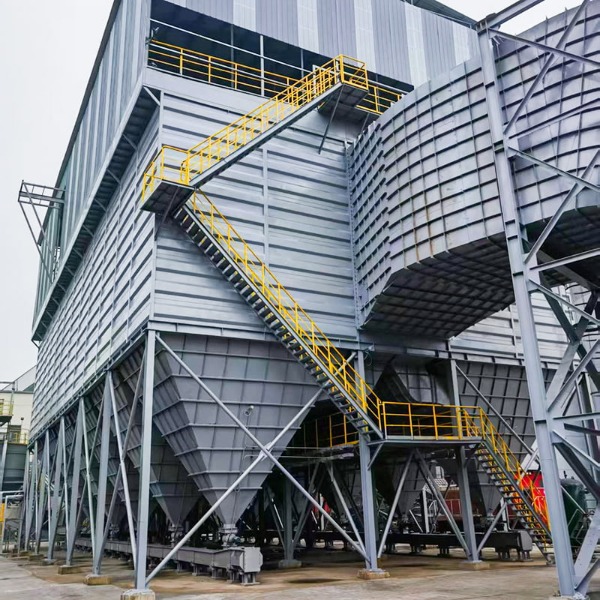
- Filtration: The heart of the system. This is where powerful fans draw air through specialized filters (like fabric bags or cartridges) that trap even microscopic dust particles, allowing only clean air to pass through.
- Disposal: A mechanism to automatically collect and discharge the filtered dust into a container for safe disposal or recycling.
The effectiveness hinges on this integrated design. A perfect filter paired with poorly designed capture hoods is a wasted investment.
Why Is Dust Control a Non-Negotiable Priority for Factories?
Implementing a robust system addresses four fundamental pillars of responsible and profitable manufacturing:
Legal Compliance and Avoiding Costly Penalties: This is the foremost driver. Governments worldwide are enforcing stricter air quality standards. Non-compliance isn’t an option; it risks fines, shutdowns, and legal liability.
Protect your most valuable asset: employee health. Airborne dust is a hidden hazard. Long-term exposure to dust can lead to serious, irreversible respiratory diseases such as pneumoconiosis. Control systems can directly reduce the concentration of particulate matter in the air, creating a safer breathing environment.
Safeguarding Productivity and Equipment: Dust is abrasive. It infiltrates moving parts, accelerates wear and tear, causes overheating, and leads to unplanned downtime. A clean environment ensures machinery runs longer, maintenance costs are lower, and product quality is consistently high.
Mitigating Severe Safety Hazards: Many industrial dusts (from metals, wood, or chemicals) are highly combustible. When suspended in air at certain concentrations, they can ignite and cause devastating explosions. A primary function of a dust control system is to keep the concentration of dust in the air well below these dangerous levels, acting as a critical safety system.
When Should You Consider Installing or Upgrading a System?
You need a formal dust control system if any of the following are true:
- Visible dust accumulation occurs daily on surfaces more than 3-5 meters from the source.
- Employees frequently complain about air quality or require constant use of respirators.
- Your industry is specifically targeted by new or upcoming environmental (emissions) or occupational health (exposure limit) regulations.
- You handle materials known to be combustible or toxic.
- You are experiencing increased machine failures or product quality issues traceable to dust contamination.
How Do the Different Types of Dust Collection Systems Work?
Choosing the right technology is critical. The main types are defined by their filtration method:
| System Type | How It Works | Best For | Key Consideration |
|---|---|---|---|
| Bag Filter | Dust-laden air passes through woven or felted fabric bags. Particles are trapped on the bag surface, forming a “dust cake” that aids filtration. Cleaned by regular bursts of compressed air. | High-volume, non-sticky, dry dusts. Common in woodworking, mining, metal casting. | Delivers highest filtration efficiency (>99.9% on fine particles). Bulky, sensitive to moisture and high temperatures beyond filter rating. |
| Cartridge Dust Collector | Uses pleated, non-woven filter cartridges, offering a large surface area in a compact housing. Similar pulse-cleaning mechanism. | Applications with space constraints, fine powders (e.g., welding fume, pharmaceutical powders). | Easier and safer maintenance (top-access cartridges). Initial filter cost can be higher than bags. |
| Wet Dust Collector | Washes the dirty air stream with water or other liquid. Dust particles collide with water droplets, are absorbed, and settle as slurry. | Hot, humid, or flammable dusts (e.g., metal smelting, chemical processes). Sticky dusts. | No filter media to replace or catch fire. Creates a wastewater stream that requires treatment. Higher energy cost. |
How Do You Select the Right Dust Collector?
Selecting a dust collector isn’t about picking the biggest machine; it’s about matching technology to your specific dust. The decision flows from your process data.
Characterize Your Dust. This is non-negotiable.
- Particle Size: Is it coarse sawdust or sub-micron fume? Filtration efficiency targets change dramatically. For example, capturing fine particulate matter under 10 microns (PM10) and especially under 2.5 microns (PM2.5) requires high-efficiency filters.
- Moisture & Temperature: Wet or hot dust will clog a standard baghouse. This may dictate a wet scrubber or require specialized filter media.
- Chemical Makeup: Corrosive or toxic dusts require specific construction materials (e.g., stainless steel) and safe disposal protocols.
Determine Required Airflow and Efficiency
- Airflow (CFM/Cubic Meters per Hour): An engineer must calculate this based on hood design, ductwork, and the capture velocity needed at each source. An undersized system fails; an oversized one wastes immense energy. The “Rule of Thumb” that fan energy can account for 60-70% of a system’s lifetime operating cost makes precision critical.
- Filtration Efficiency: This is often defined by the required emission limit. For instance, to meet a strict emission standard of 10 mg/m³, you will likely need a filter system with an efficiency rating of 99.9% or higher on your specific dust.
Evaluate Core Technologies Against Your Needs
Revisit the technologies from Part 1 (Baghouse, Cartridge, Wet Scrubber) with your specific dust profile in hand. Create a decision matrix weighing factors like:
- Initial Cost vs. 5-year operating cost.
- Available floor space.
- Maintenance skill requirements.
- Disposal method for collected dust (dry vs. slurry).
Conclusion: A Strategic Capital Project
Implementing a dust control system should be treated as a strategic capital project, not a facilities purchase. Its success hinges on:
- Thorough upfront analysis of your dust and processes.
- Custom engineering, not just equipment selection.
- Vigilant validation through performance testing.
- Holistic ROI analysis that accounts for both hard savings and critical risk reduction.
By following this framework, you move from simply buying a “dust collector” to investing in a key pillar of your plant’s safety, sustainability, and long-term operational excellence. The right system doesn’t just control dust—it enables cleaner, safer, and more profitable manufacturing.