English
 Français
 عربى
عربى 简体中文
简体中文


What Are the Key Features to Look for in a Fume Extraction System?
What Are the Key Features to Look for in a Fume Extraction System?
 By Admin
Content
- 1 Introduction to Dust Filters
- 2 The Impact of Dust on Health and Equipment
- 3 Brief Overview of Different Types of Dust Filters
- 4 Applications of Dust Filters
- 5 Choosing the Right Dust Filter
- 6 Maintenance and Replacement
- 7 Why Choose TIANKANG?
- 8 Common Problems and Solutions
- 9 Troubleshooting Tips
- 10 Conclusion
- 11 FAQ
Introduction to Dust Filters
Dust filters play a vital role in maintaining air quality, especially in industries where dust generation is unavoidable. Their primary function is to capture airborne particulate matter, reducing its impact on human health and machinery. Prolonged exposure to dust can lead to respiratory diseases and equipment failure, making dust collection essential in safeguarding both workers and systems.
The Impact of Dust on Health and Equipment
Dust exposure, especially fine particulate matter (PM), can result in various health issues, such as asthma, lung diseases, and cardiovascular problems. In industrial settings, dust accumulation can clog machinery, degrade performance, and lead to costly repairs or replacements.
Brief Overview of Different Types of Dust Filters
Bag Filter
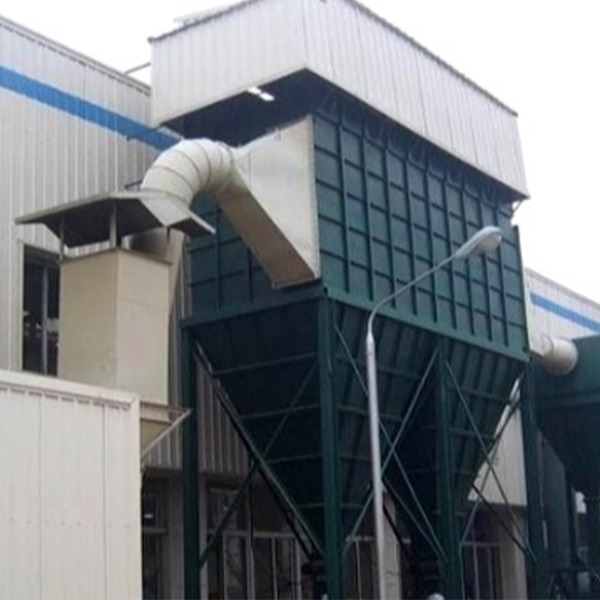
Bag filters are one of the most commonly used systems in industrial dust collection. They use fabric bags to capture dust particles from the air, with the dust being trapped inside the filter while clean air is released.
- Efficiency: Captures fine particulate matter.
- Applications: Widely used in industries like sand, steel, and coking.
- Maintenance: Requires regular cleaning to maintain airflow.
Cartridge Dust Collector
Cartridge collectors use cylindrical filters made from pleated materials. These filters are highly efficient at capturing small dust particles and offer a compact design ideal for operations with space constraints.
- High Filtration Efficiency: Suitable for fine dust.
- Compact Design: Ideal for smaller spaces.
- Energy Efficient: Operates with lower pressure drops compared to bag filters.
Electrostatic Precipitator
Electrostatic precipitators (ESPs) work by charging dust particles and using electric fields to capture them on collector plates.
- High Filtration Efficiency: Can capture over 99% of particles, including fine particulate matter like PM2.5.
- Low Energy Consumption: Operates with low resistance (100-300 Pa), resulting in lower running costs.
- High Capacity: A single unit can handle large gas volumes (up to millions of cubic meters per hour), suitable for large-scale applications.
- High Initial Investment: Requires significant upfront costs for equipment and high-voltage power supplies.
- Dust Sensitivity: Performance is highly dependent on dust resistivity; efficiency drops if outside the optimal range (10⁴–10¹¹ Ω·cm).
- Maintenance: Requires regular cleaning of hoppers; efficiency can be affected by uneven gas flow or air leakage.
WET Dust Collector
WET dust collectors use water to capture dust, which is then filtered out and removed through liquid flow.
- Ideal for Sticky Dust: Captures moist or sticky dust particles.
- Water Consumption: Requires a consistent supply of water for optimal performance.
- Cost-Effective: Can be less expensive to operate compared to dry systems.
WET Electrostatic Precipitator
A hybrid system that combines electrostatic precipitation with water filtration. This method is ideal for removing fine particles in environments with high humidity.
- Dual Function: Combines the best of ESP and wet collection methods.
- High Efficiency: Can handle a wide range of particle sizes.
- Maintenance: Requires regular maintenance of both electrical and water components.
Fume Extraction System (FES)
Fume extraction systems are specialized in removing hazardous fumes generated during industrial processes such as welding, soldering, or chemical manufacturing.
- Efficient Fume Removal: Focuses on gases and smoke.
- Portable Options: Can be integrated into existing workstations.
- High Filtration Capacity: Effectively captures fine particles and vapors.
Applications of Dust Filters
Foundry Industry
Dust collection systems in foundries focus on improving air quality and protecting workers from the harmful effects of metal fumes and particulates.
Improving Indoor Air Quality
- Key Equipment: Bag filters, fume extraction systems.
- Benefits: Reduces respiratory issues, enhances worker safety.
Steel Mill
In steel mills, dust collection systems are essential for capturing fine particles generated during various stages of production.
Industrial Applications
- Manufacturing Plants and Emission Control: Dust filters are installed in factories to control the emission of harmful particulates into the air.
- Construction Sites and Dust Suppression: WET dust collectors and cartridge systems are used to suppress dust on construction sites.
Choosing the Right Dust Filter
Factors to Consider
- Particle Size and Type: Different filters are suited for different dust sizes, ranging from fine powders to coarse debris.
- Airflow Requirements: The amount of air that needs to pass through the system affects the choice of filter.
- Filter Efficiency and Lifespan: Some filters offer higher efficiencies but may require more frequent maintenance or replacement.
Compatibility with Existing Systems
Ensure that the selected dust collector integrates seamlessly with the existing ventilation or extraction systems to avoid disruptions.
Cost-Effectiveness
Consider the long-term operational cost, including maintenance, energy consumption, and filter replacement.
Maintenance and Replacement
Importance of Regular Maintenance
Regular cleaning and inspection help prevent clogging, ensure optimal airflow, and reduce system breakdowns.
Cleaning Methods for Reusable Filters
Reusable filters, such as bag and cartridge filters, can be cleaned using compressed air or water (for wet collectors).
When to Replace a Dust Filter
Filters need replacement when they become too clogged to clean, when they lose their filtration efficiency, or when they show signs of physical damage.
Proper Disposal of Used Filters
Used filters must be disposed of according to local environmental regulations, as they may contain harmful dust or contaminants.
Why Choose TIANKANG?
Anhui Tiankang Environmental Technology Co., Ltd. specializes in comprehensive environmental solutions, focusing on dust removal systems, flue gas treatment, and VOC control technologies. The company provides customized solutions for industries such as steel, cement, foundries, and pharmaceuticals, ensuring air quality and emission control.
Product Offerings
- Bag filter systems, flue gas desulfurization, and VOC treatment systems.
- Dust removal for various industrial processes like steelmaking and sintering.
- Mobile ventilation slots, mufflers, and flue gas heat exchangers.
Tiankang’s systems are designed for energy efficiency, low maintenance, and high filtration capacity, providing a cleaner, safer working environment.
Common Problems and Solutions
Filter Clogging and Pressure Drop
- Cause: Excessive dust buildup or improper filter cleaning.
- Solution: Regular cleaning and pre-filters can prevent clogging and reduce pressure drops.
Bypass and Leakage Issues
- Cause: Improper installation or worn-out seals.
- Solution: Regular maintenance and seal replacement.
Troubleshooting Tips
- Monitor Airflow: A sudden drop in airflow often indicates filter issues.
- Check for Leaks: Inspect connections for potential leakage.
Conclusion
Dust filters are essential in maintaining air quality in industrial environments, protecting both workers and equipment. By choosing the right dust collection system, regularly maintaining it, and understanding common issues, industries can improve their operational efficiency and environmental impact.
FAQ
1. What is a dust collector, and how does it work?
A dust collector is a system used to capture dust particles from the air. It works by trapping dust in filters or using electric fields to remove it from the airflow.
2. How do I choose the right dust collector for my industry?
Consider factors like particle size, airflow requirements, efficiency, and compatibility with existing systems. Consulting with experts can also help make the best choice.
3. How often should a dust filter be replaced?
The frequency of replacement depends on the type of filter and the level of dust exposure. Generally, filters need to be replaced every 1-3 years or when they lose their efficiency.
4. What are the benefits of a fume filtration system?
Fume filtration systems are specialized for removing hazardous gases and smoke from industrial processes, improving indoor air quality and reducing health risks.
5. How can I prevent filter clogging?
Regular cleaning, proper maintenance, and using pre-filters can help prevent clogging and ensure the filter operates efficiently.