English
 Français
 عربى
عربى 简体中文
简体中文


Why Is Fume Mitigation Crucial in Metal Production Processes?
Why Is Fume Mitigation Crucial in Metal Production Processes?
 By Admin
Content
Introduction
Dust control systems play a critical role in modern industrial settings, particularly in metal production processes. As the demand for cleaner air and environmental protection increases, industries such as metallurgy are adopting advanced dust control and air purification technologies.
Basics of Dust Control Systems
Understanding Dust Control Systems
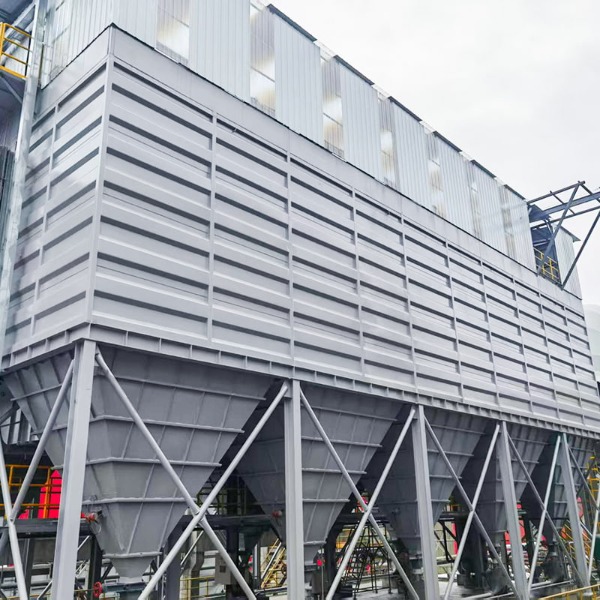
A dust control system is designed to capture and remove particulate matter, including dust, fumes, and smoke, generated during industrial operations. These systems primarily consist of filtration units, air cleaners, and various exhaust treatments. Their main objective is to improve air quality by preventing harmful dust particles from being released into the environment.
Dust control systems can be categorized into two types:
- Wet systems: These systems use water or other liquids to capture dust.
- Dry systems: These utilize filters and other mechanisms to capture and contain dust particles.
The development of dust control technologies is heavily influenced by the increasing focus on environmental protection and worker safety. As global regulations around air pollution become stricter, industries are moving toward more efficient, sustainable, and automated dust management solutions.
Balancing Industrial Growth with Environmental Protection
The push for cleaner air is not only a regulatory necessity but also an opportunity for industries to enhance their sustainability practices. Dust control systems help balance industrial growth with environmental protection by ensuring that industrial operations meet the required air quality standards while maintaining productivity. This dual approach is essential for the long-term success of both the environment and industry.
Dust Control in Metallurgical Applications
Dust Control in Oxygen Converters
Oxygen converters are commonly used in steelmaking to refine molten iron. During the refining process, a significant amount of dust is generated, primarily due to the high-temperature reactions between oxygen and the metal. Effective dust control systems are crucial in managing these emissions, preventing pollutants from escaping into the atmosphere.
Dust control in oxygen converters typically involves the use of high-efficiency filtration systems designed to capture both fine dust particles and toxic fumes. These systems also include gas cleaning technologies that can treat the exhaust gases before they are released.
Dust Control in Basic Oxygen Furnaces (BOF)
In a basic oxygen furnace (BOF), oxygen is blown through molten iron to produce steel. This process results in the generation of a considerable amount of dust and fume, which can include particulate matter such as iron oxide and other metal oxides. The control of such emissions is essential for both health and environmental reasons.
Dust control systems in BOFs typically use advanced filtration technologies, including electrostatic precipitators and fabric filter systems, to capture airborne particles. These systems not only reduce pollution but also improve working conditions by maintaining a cleaner atmosphere in and around the production area.
Dust Control in Electric Arc Furnaces (EAF)
Electric arc furnaces (EAFs) are widely used in recycling scrap metal to produce steel. The high temperatures and intense electrical energy involved in the process result in the release of fine dust and smoke. Proper dust management in EAFs is crucial to protect both the environment and the health of workers.
The dust generated by EAFs is typically rich in metallic content, which can be hazardous if not properly managed. Dust control systems in EAFs utilize specialized filtration units, including baghouse filters and scrubbers, to trap harmful particles. The use of advanced monitoring systems ensures the continuous effectiveness of these systems in maintaining air quality.
Dust Control in Ladle Furnaces (LF)
Ladle furnaces (LF) are used for secondary steel refining, where molten steel is further treated to adjust its composition. The refining process in ladle furnaces generates dust, which primarily consists of metal oxides and other particulates. Like other metallurgical operations, dust control is critical in ensuring environmental compliance and maintaining worker safety.
Dust control systems in LF furnaces often include a combination of wet and dry filtration techniques. Wet scrubbers are commonly used to capture heavier dust particles, while dry filtration systems manage finer dust. These combined approaches help minimize the release of particulate matter into the environment.
Gas Cleaning and Air Pollution Solutions
Gas Cleaning Technologies
Gas cleaning plays a vital role in the management of industrial emissions. In metal production, gases such as CO, CO2, and various particulate matter are released as by-products of high-temperature processes. Gas cleaning technologies, including cyclones, scrubbers, and fabric filters, are used to reduce the concentration of harmful gases and particulates.
Modern gas cleaning systems are designed not only to remove dust but also to treat gases in a way that meets stringent environmental regulations. These systems can be tailored to meet the specific needs of each industrial process, ensuring that emissions are effectively reduced before being released into the atmosphere.
Air Pollution Control Solutions
Air pollution control is an integral part of industrial dust management. In addition to particulate matter, industries like metallurgy generate gaseous pollutants that must be treated to comply with environmental standards. Air pollution control solutions include chemical scrubbers, adsorption units, and catalytic converters, which help remove harmful gases such as sulfur oxides (SOx), nitrogen oxides (NOx), and volatile organic compounds (VOCs).
The implementation of these air pollution control systems ensures that industrial operations remain within regulatory limits, reducing their environmental impact while enhancing the overall air quality.
Conclusion
Dust control systems are essential for the safe and environmentally responsible operation of metallurgical industries. From oxygen converters to ladle furnaces, these systems help mitigate the impact of industrial processes on both the environment and worker health. As technology continues to evolve, dust control systems will become even more efficient, contributing to a cleaner, safer, and more sustainable industrial landscape.
FAQ
1. How do dust control systems work in metal production?
Dust control systems capture and remove dust, fumes, and gases generated during metal production processes, improving air quality and protecting workers.
2. Why is dust control important in oxygen converters and BOFs?
These processes generate significant amounts of dust and fumes, which can be hazardous if not properly managed. Dust control systems help reduce pollution and ensure environmental compliance.
3. What technologies are used in gas cleaning systems?
Gas cleaning systems typically use cyclones, scrubbers, and fabric filters to capture dust and remove harmful gases before they are released into the atmosphere.
4. What are the future trends in dust control systems?
Automation, smart monitoring, and energy-efficient technologies are the future trends in dust control, enhancing system effectiveness and sustainability.
5. How do air pollution control systems contribute to environmental protection?
Air pollution control systems treat gaseous pollutants such as SOx, NOx, and VOCs, helping industries meet regulatory standards and reduce their environmental impact.