


 English
 Français
 عربى
عربى 简体中文
简体中文


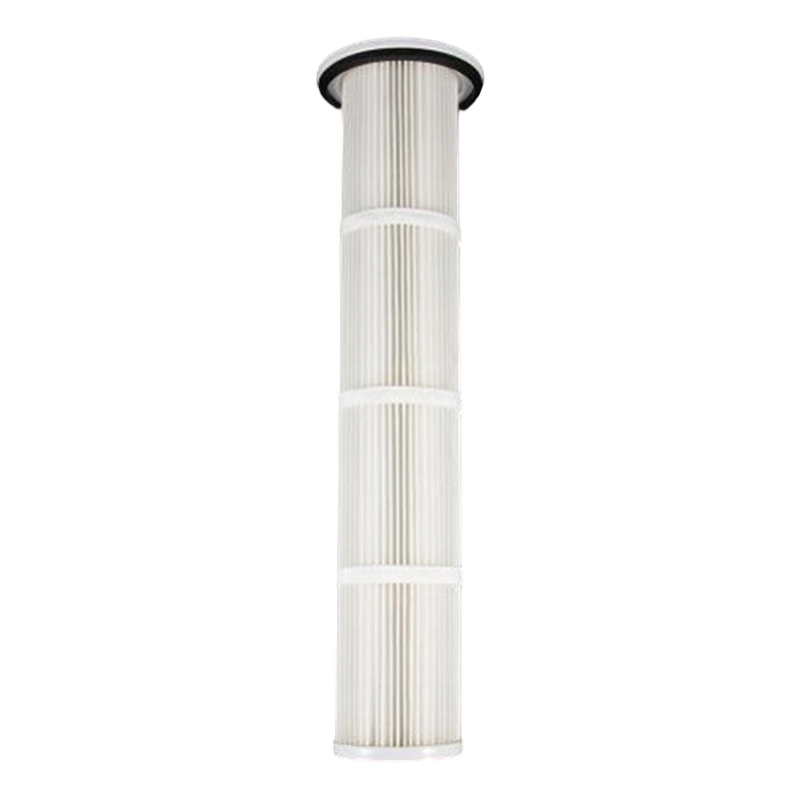
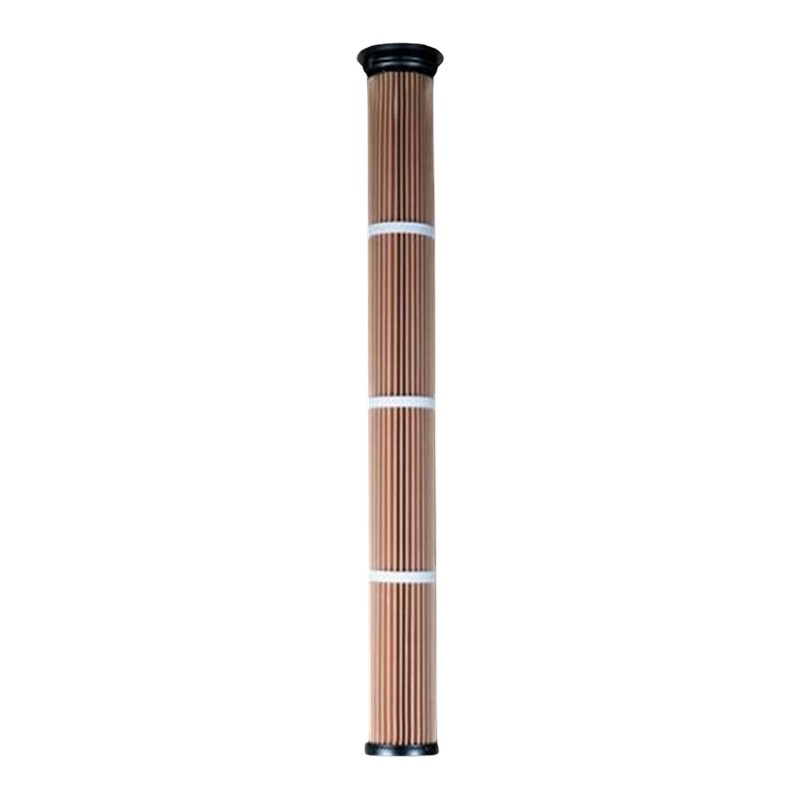
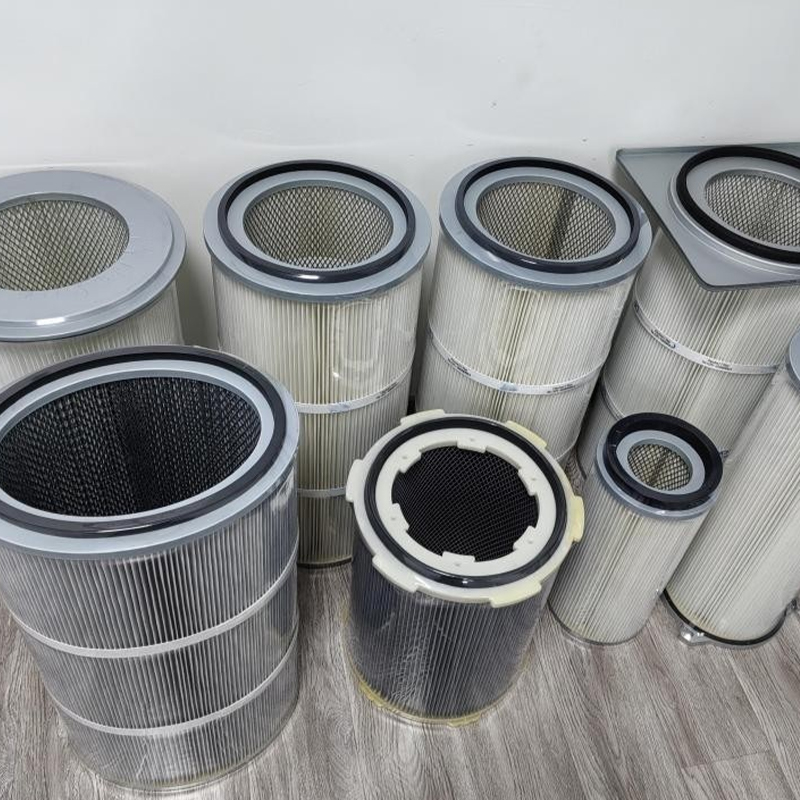
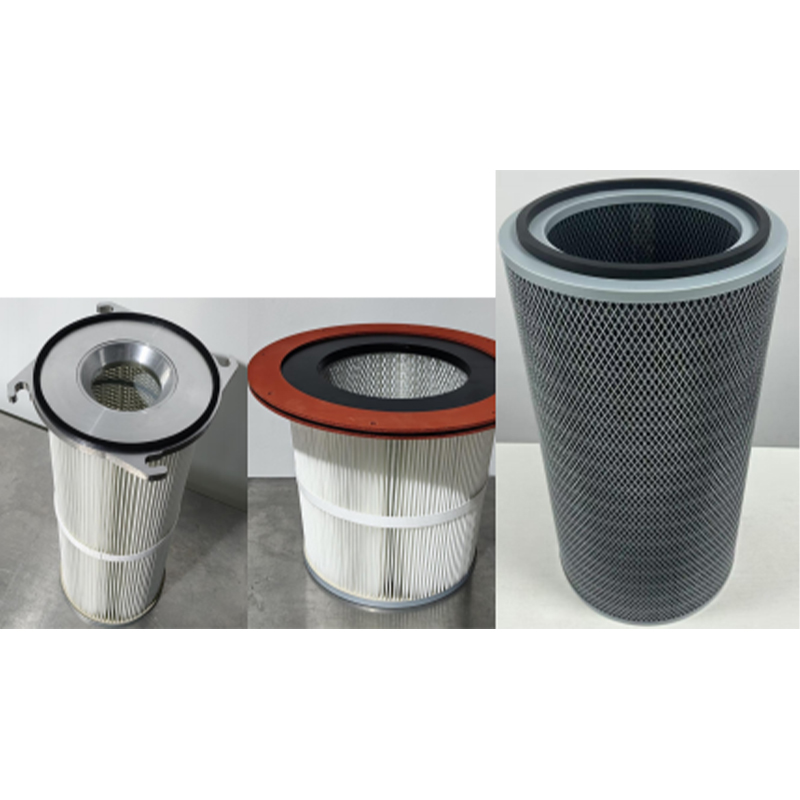
Pulse Jet Pleated Cartridge Filter Custom


NEWS & EVENT
-
Why Pulse Baghouse Dust Collectors Suit Coal-Fired Boilers: Selection, Specifications and Compliance
Why Boiler Flue Gas Needs a Purpose-Built Dust Control System Coal-fired boilers and thermal power plants push enormous volumes of hot flue gas through the stack every hour. The particulate load in that gas changes with fuel quality, combustion stability and load swings. A dust ...
-
Industrial Bag Filter Dust Collectors: Selection, Sizing, and Maintenance Guide
A sinter plant's off-gas line does not announce a baghouse problem politely. First the differential pressure creeps above 1.8 kPa, then the fan speed climbs to hold process draft, and finally the stack opacity reading starts to spike during pulse cleaning. By the time the outle...
-
Converter Secondary Flue Gas Dust Control: Off-line Pulse Baghouse Selection & Price Guide
Why Dust Control Usually Starts Too Late Industrial dust rarely becomes a crisis overnight. A grinding station, a packing line, or a material transfer point can run for years with an undersized or aging dust collector, and the warning signs are easy to dismiss: a film of fine po...
Spare parts INDUSTRY KNOWLEDGE
Industrial Dust Collection Efficiency Upgrade: How Does the Pulse Jet Pleated Cartridge Filter Reshape Filtration Performance?
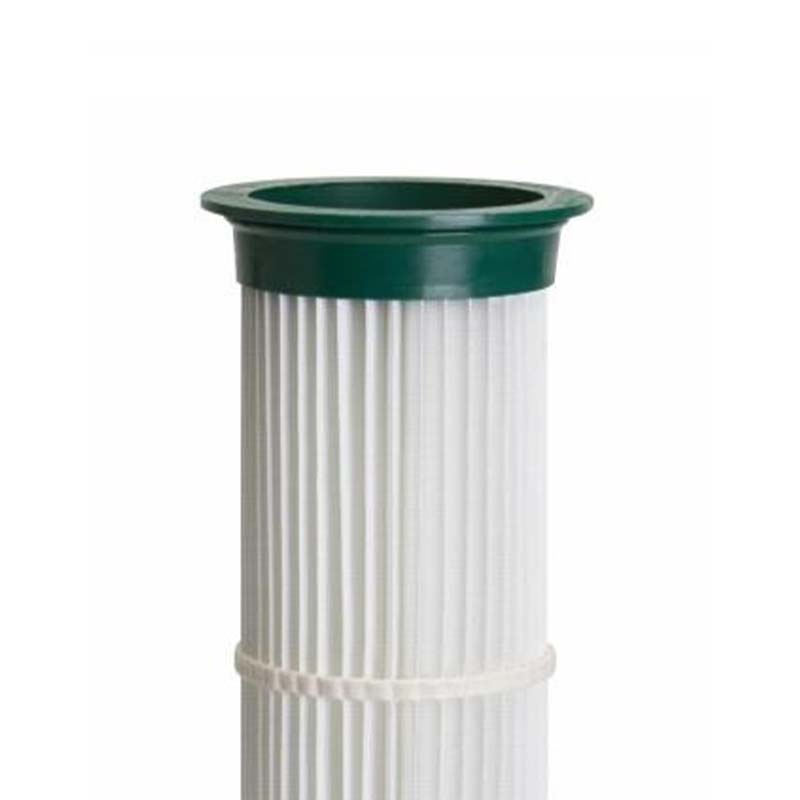
In modern industrial production, dust control is not merely a matter of environmental compliance; it is a critical factor that directly determines operational costs and workplace safety. As emission standards become increasingly stringent, traditional bag-type dust collection systems are revealing inherent limitations in filtration efficiency, energy consumption, and maintenance costs. Addressing this industry challenge, the pulse jet pleated cartridge filter technology has emerged as a sophisticated solution. By significantly expanding the filtration area within the same equipment footprint, it offers a high-efficiency, energy-saving, and economical pathway for upgrading industrial dust collection systems.
Core Technical Advantages of the Pleated Cartridge Filter
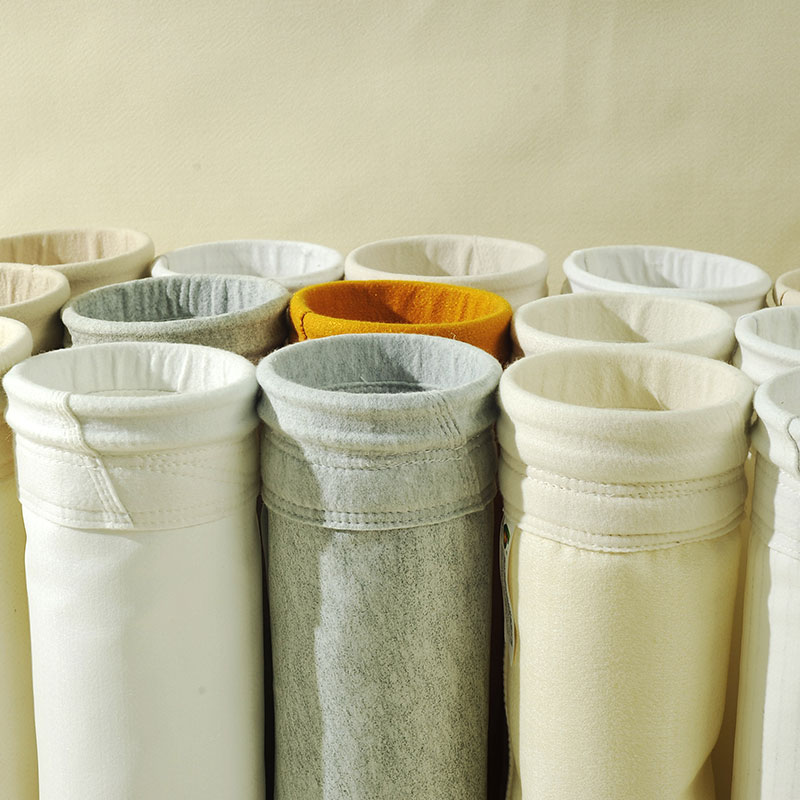
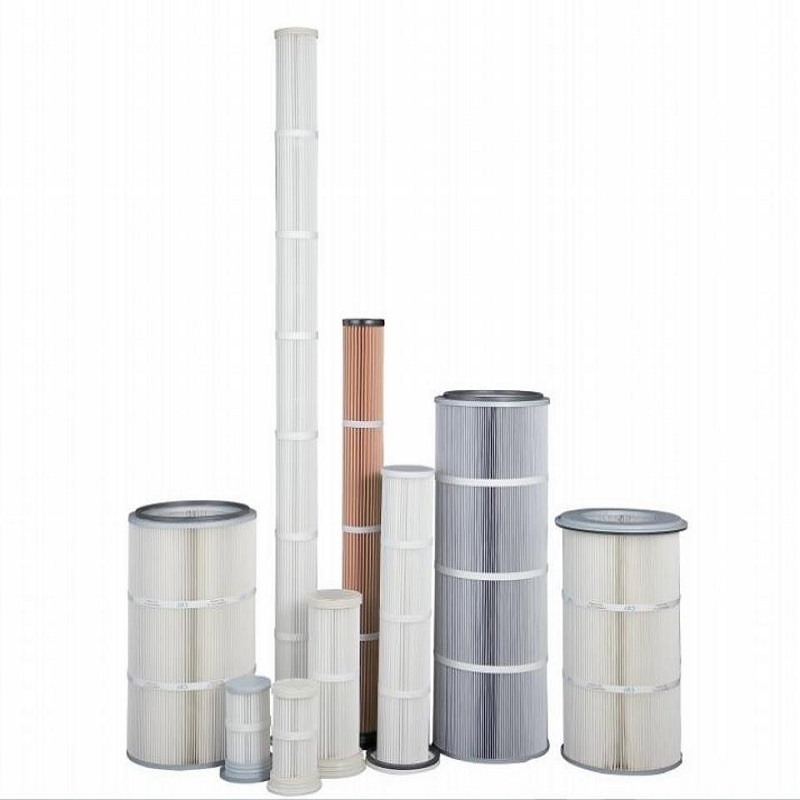
The fundamental innovation of the pleated cartridge filter lies in its unique folded structure. Unlike conventional round filter bags, the cartridge filter multiplies the filtration surface area within the same volume by pleating the filter media into tight, uniform folds. This design yields multifaceted and substantial benefits for the entire dust collection system.
Enhanced Filtration Performance and Lower Emissions: A larger filtration area directly translates to a lower air-to-cloth (A/C) ratio. This reduces the velocity of the dusty air passing through the filter media, allowing more time for particulate matter to be captured. This effect is particularly pronounced for fine and sub-micron dust particles, enabling systems to achieve ultra-low emission concentrations. The result is not just compliance, but a significant improvement in overall environmental performance.
Substantial Energy Savings and Reduced Operating Costs: The lower air-to-cloth ratio also leads to a significantly reduced operational differential pressure (DP). A lower DP means the system fan requires less energy to move the same volume of air. Furthermore, the improved filtration efficiency reduces the frequency of pulse-jet cleaning cycles, which directly cuts down on compressed air consumption – a major operational expense in many facilities. This combination of reduced fan load and lower cleaning frequency results in measurable and sustainable energy savings, directly improving the plant’s bottom line.
Extended Filter Service Life and Minimized Maintenance: The compact, short-pleated design of these elements keeps the filter media out of the high-abrasion zones typically found at the bottom of a baghouse, effectively eliminating the risk of bottom wear and tear common in long bags. Moreover, the robust, one-piece construction of many pleated cartridges eliminates the need for separate support cages (keels), which are prone to corrosion and wear. This integrated design enhances structural integrity, ensuring a longer operational life even under severe conditions. The result is a drastic reduction in replacement frequency and associated maintenance labor and costs.
Rapid Installation and Reduced Downtime: The user-friendly, one-piece design completely eliminates the tedious, multi-step assembly process required for traditional bag and cage systems. These filters support both top-load and bottom-load configurations, enabling a single person to perform change-outs quickly and safely. This ease of maintenance drastically curtails equipment downtime, ensuring continuous and productive operations.
To better illustrate the flexibility of this technology, the following table contrasts key filter media types and their typical applications, demonstrating how the pulse jet pleated cartridge filter can be tailored to specific industrial conditions.
| Filter Media Type | Key Properties | Typical Applications |
|---|---|---|
| Polyester | General-purpose, good abrasion resistance, cost-effective | Cement, rock dust, food processing, woodworking |
| PPS (Ryton) | Excellent chemical resistance, stable in high-humidity and acidic environments | Coal-fired boilers, chemical processing, waste incineration |
| Aramid (Nomex) | Superior high-temperature resistance, good abrasion resistance | Asphalt plants, metal smelting, foundries, glass manufacturing |
| Nanofiber / Wood Pulp | Superior surface filtration, high efficiency for sub-micron particles, low pressure drop | Pharmaceutical manufacturing, fine chemical processes, metalworking fluid mist |
A Comprehensive Solution for Diverse Industrial Challenges
The selection and implementation of the right filtration technology require a deep understanding of both the equipment and the specific industrial process. Companies that specialize in holistic environmental solutions are better positioned to address this complexity. For instance, Anhui Tiankang Environmental Technology Co., Ltd. , a private high-tech enterprise, has been dedicated to environmental protection and governance since its establishment in 2002. Our expertise is not limited to providing components like the pulse jet pleated cartridge filter; we offer comprehensive engineering services.
Anhui Tiankang Environmental Technology Co., Ltd. is actively engaged in environmental engineering program design, environmental protection facility operation, and environmental pollution control technology R&D. We undertake a variety of turnkey projects, including dust removal systems, flue gas desulfurization and denitrification systems, and VOC (Volatile Organic Compounds) treatment systems. Our capabilities extend across a wide range of industries, including steel production (from raw materials to rolling), foundries, pharmaceuticals, glass, cement, and non-ferrous metal smelting. This broad experience ensures that solutions are not just generic products but are precisely engineered for the demands of each unique application.
Conclusion
In summary, upgrading to pulse jet pleated cartridge filter technology represents a strategic investment for any industrial operation seeking to enhance environmental performance, lower energy consumption, and reduce operational costs. By combining increased filtration area with rugged, low-maintenance design, these filters provide a clear path to achieving higher efficiency standards without the expense of replacing entire collector housings. With a knowledgeable partner like Anhui Tiankang Environmental Technology Co., Ltd. , which can provide not only advanced filter elements but also comprehensive system design and engineering support, industrial facilities can confidently navigate the challenges of modern dust collection, ensuring a cleaner, safer, and more productive future.
Frequently Asked Questions (FAQ)
Q1: What is the primary advantage of a pulse jet pleated cartridge filter over a traditional filter bag?
A: The primary advantage is its significantly larger filtration area within the same equipment footprint. This leads to a lower air-to-cloth ratio, higher capture efficiency (especially for fine dust), lower differential pressure, reduced energy consumption, and a longer service life due to the cage-free, compact design.
Q2: Can a pulse jet pleated cartridge filter be used to upgrade my existing baghouse without major modifications?
A: Yes, this is one of its key benefits. Pleated cartridge filters are designed to be drop-in replacements for traditional bags and cages in most pulse-jet collectors. They typically fit into the existing tube sheets, making the upgrade straightforward and requiring no significant modifications to the collector housing.
Q3: How do I choose the right filter media for my specific application?
A: Selecting the correct media depends on several factors, including the chemical composition of the dust, operating temperature, moisture content, and abrasiveness. For example, polyester is a good general-purpose option, while aramid is needed for high-temperature applications, and PPS is preferred for acidic or humid environments.
Q4: What maintenance is required for these cartridge filters, and how does it compare to bags?
A: Maintenance is significantly reduced. The robust, one-piece design eliminates the need to assemble and install separate cages and bags. The shorter element length reduces wear from abrasion. Maintenance primarily consists of routine monitoring of differential pressure and periodic pulse-jet cleaning, with filter replacements being much quicker and simpler, minimizing downtime.
Q5: Are these filters suitable for applications with high-temperature or explosive dust?
A: Absolutely. Specialized configurations are available to meet diverse operating conditions. For high temperatures, filter media like aramid or PPS are used. For explosive dust (e.g., in grain or chemical processing), anti-static (conductive) filter media and grounding features can be incorporated to ensure safety.
ENQUIRY

A high-tech enterprise dedicated to environmental protection and governance


CONTACT INFO
- Tel: +86-0510-88766689
- Whatsapp: +86-18115232326
- E-mail: [email protected]
- Add: Chengbei Township Industrial Zone, Jin'an District, Lu'an City, Anhui Province, China

