English
 Français
 عربى
عربى 简体中文
简体中文


Why Should You Choose a Bag Filter Dust Collector for Your Industrial Facility?
HOME / NEWS / Industry News / Why Should You Choose a Bag Filter Dust Collector for Your Industrial Facility?
 By Admin
Content
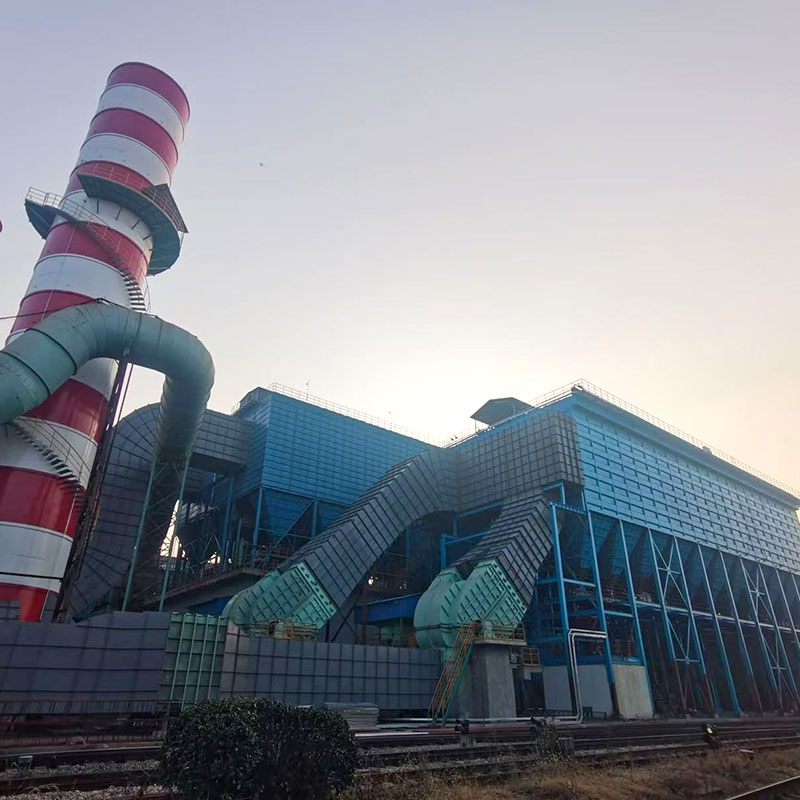
In today’s industrial landscape, maintaining clean air and minimizing environmental impact are paramount. Dust collectors play a crucial role in ensuring that emissions from manufacturing, energy production, and other industries meet strict air quality standards. One of the most effective types of dust collectors for industrial applications is the low-pressure pulse jet bag dust collector. These systems are designed to capture dust particles from the air, ensuring that the emissions remain well below the permissible levels.
A dust collector is an air quality improvement system used in industrial settings to eliminate dust and particulate matter from the air. These systems are essential for controlling air pollution and ensuring that emissions meet environmental standards. The primary function of a dust collector is to filter the dust-laden air, separating the dust from the air and releasing clean, filtered air back into the environment.
The low-pressure pulse jet bag dust collector works by utilizing a filter bag to capture dust particles from the air. The filter bag, typically made of woven fabric, filters the dust as the gas passes through it. When the dust accumulates on the surface of the bag, the equipment resistance increases. To maintain the system’s performance, pulse valves are activated to release bursts of compressed air, cleaning the filter bag and restoring its filtering capacity.
Key Features of Low-Pressure Pulse Jet Bag Dust Collector:
This process continues as long as the dust collector operates, providing consistent filtration and reducing the need for manual cleaning or maintenance.
The choice of filter bag material plays a significant role in the effectiveness of the dust collector. Filter bags can be made from various materials depending on the specific conditions of the flue gas, including temperature, gas properties, and dust concentration. Some of the most commonly used materials for filter bags include:
Selecting the appropriate material ensures that the filter bag can withstand the operating conditions and provide long-lasting performance.
Low-pressure pulse jet bag dust collectors are versatile and can be customized for various industrial applications. Some of the industries that benefit from these dust collectors include:
Steel Plants: Steel production generates significant dust emissions. Low-pressure pulse jet bag dust collectors help control these emissions, ensuring that the air quality is up to regulatory standards.
Power Plants: Power generation facilities require efficient dust collection systems to filter out harmful particulate matter from exhaust gases, which is achieved by the pulse jet bag system.
Cement Plants: Cement production is another industry where dust control is critical. A dust collector ensures that the dust produced during manufacturing is captured and properly filtered before being released into the atmosphere.
Chemical Processing: The chemical industry often involves hazardous dusts and fumes. A bag filter system is ideal for filtering these substances and ensuring that the workplace remains safe for workers and meets environmental standards.
Here are the key technical specifications of the low-pressure pulse jet bag dust collector, which help define its performance capabilities:
| Specification | Value |
|---|---|
| Air Volume | 50,000 - 1.2 million m3/h |
| Resistance Loss | Less than 1200Pa |
| Filtration Wind Speed | 0.6 - 1.0 m/min |
| Dust Concentration (Inlet) | Less than 50g/Nm3 |
| Dust Concentration (Outlet) | Less than 8mg/Nm3 |
| Temperature of Treated Gas | Up to 250℃ |
| Emission Standard | Ultra-low emission of 8mg/Nm3 |
These specifications ensure that the system can handle high dust concentrations while maintaining efficient operation.
Low Energy Consumption: By operating at low pressure, the system requires less energy, which helps reduce operating costs.
High Filtration Efficiency: The pulse jet cleaning mechanism ensures that the filter bags maintain high efficiency throughout their lifespan.
Durability: The materials used for the filter bags are chosen to withstand harsh industrial conditions, providing a long service life.
Minimal Maintenance: The automatic cleaning system reduces the need for manual maintenance, making it ideal for industries that require consistent and reliable performance.
Customization: The dust collector can be customized to handle different flue gas properties, making it suitable for a wide range of industrial applications.
While low-pressure pulse jet bag dust collectors offer several advantages, there are certain conditions where they may not be ideal:
High Humidity and Compacted Dust: These systems are not suitable for environments where the dust has hygroscopic or compacted properties, as excessive moisture can cause the filter bags to clog.
Flue Gas Temperature Above Acid Dew Point: If the flue gas temperature exceeds the acid dew point, it can cause corrosion or damage to the filter bags.
1. What industries use low-pressure pulse jet bag dust collectors?
These dust collectors are commonly used in industries such as steel plants, power plants, cement production, and chemical processing.
2. How do pulse jet systems maintain filter bag efficiency?
Pulse jet systems use bursts of compressed air to clean the filter bags, removing accumulated dust and maintaining their filtration capacity.
3. What materials are used for the filter bags?
Filter bags can be made from materials like polyester, polypropylene, Nomex, and PPS, depending on the operating conditions.
4. What are the emission standards for dust collectors?
A well-designed low-pressure pulse jet bag dust collector ensures that the dust concentration at the outlet is less than 8mg/Nm3, meeting ultra-low emission standards.
5. Are these systems easy to maintain?
Yes, low-pressure pulse jet bag dust collectors are low-maintenance due to their automatic cleaning system, which reduces the need for manual intervention.
Low-pressure pulse jet bag dust collectors are essential for maintaining air quality in various industrial environments. By offering high filtration efficiency, low energy consumption, and the ability to meet strict emission standards, these systems play a vital role in reducing environmental impact and ensuring regulatory compliance. The ability to customize these systems for specific industrial applications makes them a reliable choice for industries such as steel, power, and cement production.